


 +86 180 0293 5268






News




01
What is the impact of AI on the precision CNC machining industry?
2026-04-20
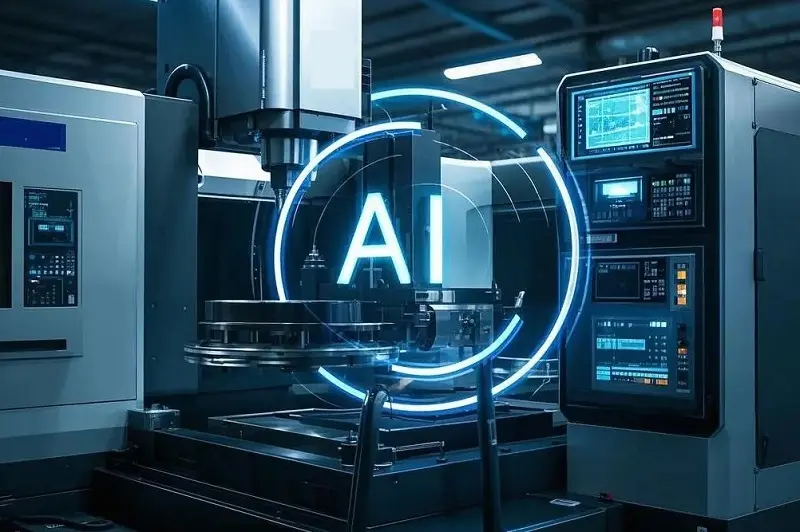
With the development of the AI era, what impact will AI truly have on our CNC machining industry? In fact, AI is part of nearly every business conversation these days. Regardless of the industry, business owners and decision-makers are considering how to leverage AI technology to improve profitability, and precision CNC machining is no exception. The advancement of AI in CNC machining is one of many innovations, but it may be the most significant.
Recently at a trade show, I saw a tapping machine from Japan that has already achieved computer-assisted setup. You can take a good sample part, hand it over to the computer for scanning, and based on the measured dimensions of the sample, the AI calculates and directly tells you the machine setup parameters. You simply follow the parameters provided by the AI, and then qualified, precisely formed screws are produced. Currently, this equipment still requires manual assistance with a torque wrench, but I believe that in the next generation, the machine will be able to directly set parameters and adjust itself based on AI algorithms, without any further manual intervention. This is the result of the rapid development of the AI era. As more and more companies invest in AI in the future, it will help improve quality and production efficiency. AI will be able to play a transformative role in CNC machining. Next, let's discuss the impact of AI on our machining industry from several perspectives: the equipment itself, machining programs, machining efficiency, and the role of human labor.


-
1. The Impact of AI on CNC Equipment
With the continuous development of AI, machine tool manufacturers have been increasingly investing in AI in recent years. During the production process, CNC equipment requires real-time monitoring of its operating status to ensure smooth production. By applying AI technology, intelligent monitoring systems can be used to monitor the real-time status of CNC equipment, detect and handle abnormal situations promptly, and avoid production interruptions. At the same time, intelligent monitoring systems can collect and analyze equipment operating data, providing strong support for production optimization. Furthermore, during long-term operation, CNC equipment is inevitably prone to various failures. Traditional fault diagnosis methods require manual troubleshooting, which is time-consuming and labor-intensive. AI, however, can perform fast and accurate fault diagnosis through intelligent fault diagnosis systems, providing maintenance personnel with precise fault information, significantly reducing repair time, and improving equipment utilization, among other benefits.
2. The Impact of AI on Machining Programs
AI technology is transforming the CNC machining field, but the value of human engineers remains critical. In the future, a collaborative model will emerge in which AI handles standardized tasks and humans lead creative decision-making. Moreover, AI can generate programs faster than human programmers, and commonly used AI can reduce programming time and ongoing costs. AI algorithms can optimize tool paths, improving machining accuracy and overall product quality. Additionally, AI systems can learn from historical data and continuously enhance their programming capabilities, surpassing the limitations of human programmers. As they learn, AI solutions can adapt to changing machining requirements, maintaining agility throughout fluctuations in product demand. Through machine learning, AI can minimize programming errors and inconsistencies, as well as reduce unnecessary waste.
3. The Impact of AI on Machining Efficiency
AI can maximize path optimization through algorithms, shortening machining time and improving efficiency. By collecting real-time data such as cutting forces and vibration, and then dynamically adjusting parameters like feed rate and spindle speed, AI can further enhance machining efficiency. Moreover, AI can deeply learn and analyze historical machining data to automatically generate optimal tool paths, which also greatly improves machining efficiency. Leveraging big data and powerful algorithms, AI can continuously optimize and refine various parameters—including programs, paths, cutting forces, feed rates, and spindle speeds—to achieve the best possible optimization characteristics and maximize efficiency. In the past, traditional methods relying on manual programming and toolpath design depended solely on the subjective judgment and experience of engineers, which often failed to achieve optimal paths and parameters and were prone to errors. AI will avoid these issues and greatly improve machining efficiency.
4. The Impact of AI on Labor
The continuous development of AI will also bring significant challenges to engineers and operators. In the future, CNC machining will require less and less of them, meaning that the importance of such roles will diminish, and reliance on them will decrease. Employment will become increasingly difficult. As a result, changing careers or upskilling will become more important for them, posing a considerable challenge.
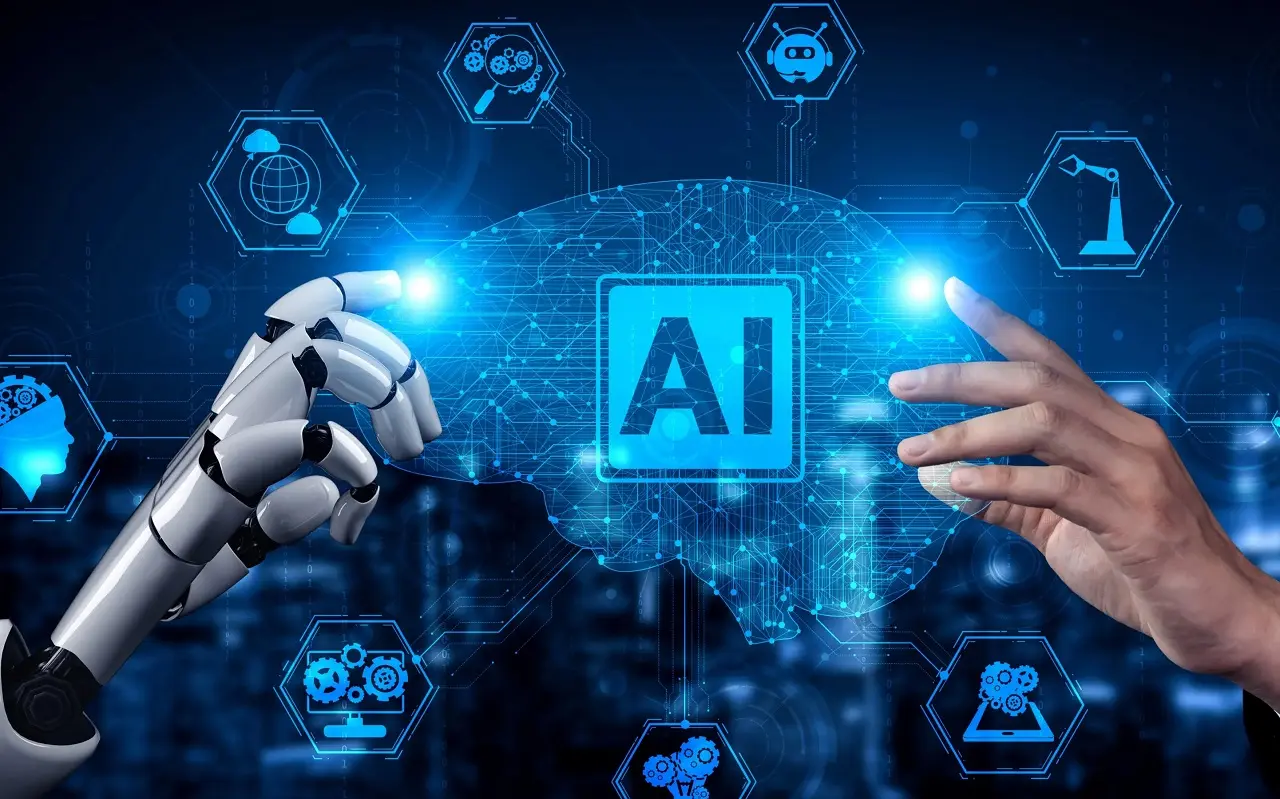
With the ongoing development and refinement of AI technology, its application in the CNC industry will become increasingly widespread. In the future, AI is expected to enable more intelligent and automated production within the CNC industry, particularly in CNC milling, further improving production efficiency, reducing production costs, and promoting the sustainable development of the CNC industry. At the same time, the deep integration of AI and CNC technology will give rise to more new application scenarios and business models, bringing both opportunities and challenges to the development of the CNC industry.
In summary, the application of AI technology in the CNC industry has already achieved remarkable results, bringing revolutionary changes to CNC production. Looking ahead, as AI technology continues to develop and become more widespread, its application in the CNC industry will become even broader and deeper, driving the industry toward higher levels and greater intelligence. For our high precision CNC machining company, it is even more important to keep pace with the times, continuously embrace and explore AI technology, and harness the power of AI and machine learning to revolutionize CNC machining, thereby promoting the common development of the industry.