Best Stainless Steel Casting Parts for Global Buyers in 2026?
As the demand for quality components rises, the importance of Stainless Steel Casting Parts has never been more evident. In the words of industry expert Dr. Emily Harrison, "The future of manufacturing relies heavily on refined casting processes." This reflects the reality facing global buyers in 2026. The market is evolving rapidly, creating both opportunities and challenges.
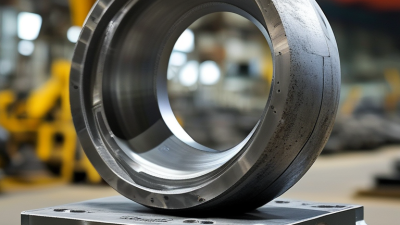
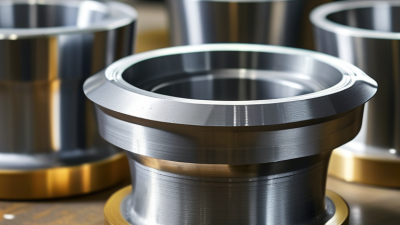
Stainless Steel Casting Parts are critical for various industries, from aerospace to automotive. Their strength and corrosion resistance make them highly sought after. However, sourcing the best parts can be problematic. Many buyers find themselves overwhelmed by choices. There is a pressing need for reliable suppliers who prioritize quality.
With innovations in manufacturing techniques, the landscape is shifting. Some companies are lagging behind, failing to adapt to new technologies. This inconsistency raises vital questions about standards and expectations. Buyers must stay informed, ensuring they make choices based on credible information. Exploring the best options requires diligence and a commitment to excellence in Stainless Steel Casting Parts.
Top Trends in Stainless Steel Casting Parts for 2026
As we look ahead to 2026, several key trends are emerging in the realm of stainless steel casting parts. The demand for lightweight and durable materials is growing. Manufacturers are focusing on optimizing designs that reduce weight while maintaining strength. This shift can lead to enhanced efficiency in various applications, including automotive and aerospace sectors.
Sustainability is another significant trend. The industry is exploring eco-friendly production methods. This includes recycling stainless steel scraps and minimizing waste. Buyers are becoming more conscious of their environmental impact. They prefer suppliers who prioritize sustainable practices. Interestingly, the adoption of new technologies will also play a crucial role. Advanced casting techniques and automation processes are set to enhance precision and productivity.
However, navigating these changes poses challenges. Not all manufacturers are equipped to innovate rapidly. Some may resist adjusting their traditional practices, which could hinder progress. Understanding these dynamics is essential for global buyers in 2026. Keeping an eye on the evolving landscape will ensure they make informed choices.
Key Industries Driving Demand for Stainless Steel Casting Parts
The demand for stainless steel casting parts is expected to surge in 2026. Key industries propelling this growth include automotive, aerospace, and construction. The automotive sector alone is projected to experience a compound annual growth rate (CAGR) of 4.5%, significantly increasing its need for durable components. Stainless steel castings are favored for their corrosion resistance and strength, making them ideal for critical automotive parts.
In aerospace, the requirement for lightweight yet robust materials is escalating. According to a recent analysis, the aerospace industry’s demand for stainless steel castings could grow by 6% annually. These materials ensure durability under extreme conditions, which meets safety and performance standards. The construction industry is also seeing a rise in demand. As urbanization progresses, stainless steel castings are essential for infrastructure projects. A report estimates a 5% yearly increase in casting demands in this sector.
However, challenges remain. Supply chain disruptions and fluctuating raw material prices could hinder growth. Companies must think critically about sourcing strategies and production efficiency. Navigating these complexities is essential for meeting the increasing global demand while maintaining quality and cost-effectiveness.
Innovative Technologies in Stainless Steel Casting Processes
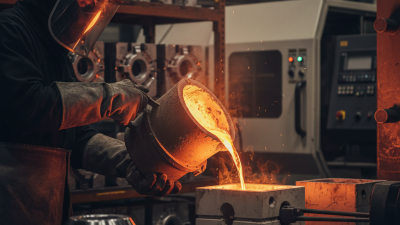
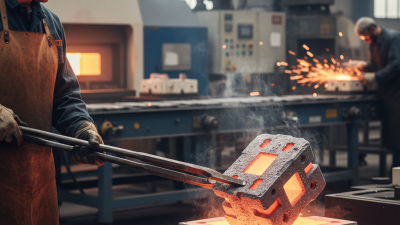
Innovative technologies in stainless steel casting processes are essential for meeting the demands of global buyers in 2026. Advanced methods like investment casting and lost foam casting are gaining traction. These techniques improve precision, reduce waste, and enhance material properties. According to a report by Mordor Intelligence, the stainless steel casting market is expected to witness a CAGR of 4.5% from 2021 to 2026. Such growth emphasizes innovation’s role in driving efficiency and sustainability in casting.
Utilizing Computer-Aided Design (CAD) and simulation software is becoming common. These tools allow for detailed modeling, predicting how parts will react during the casting process. This leads to fewer defects and lower production costs. However, not all companies have adopted these technologies. Some still rely on traditional methods, risking their competitiveness. Staying updated with advancements is crucial for success.
Consider investing in training for staff on these new technologies. A well-trained workforce can significantly boost production quality. Incorporating 3D printing for creating molds offers unique advantages too. It can support rapid prototyping and design flexibility. Yet, businesses need to find a balance between traditional skills and modern techniques to thrive in the future market.
Quality Standards and Certifications for Global Buyers in 2026
In 2026, the demand for stainless steel casting parts will likely see significant growth among global buyers. With increasing regulatory pressure, the importance of adhering to quality standards and certifications cannot be overstated. Buyers must prioritize suppliers who are compliant with internationally recognized standards such as ISO 9001 and ASTM. These certifications are indicators of a manufacturer's capacity to deliver consistent quality and reliability.
Moreover, it's crucial to consider the traceability of materials used in production. Many buyers overlook the importance of knowing the source of their stainless steel. Improperly sourced materials may lead to compromised quality. Therefore, ensuring that your supplier can provide detailed material certifications and reports is essential. While many manufacturers claim to meet standards, verifying these claims enhances credibility.
Furthermore, as the industry evolves, sustainability has become a central theme. Buyers should assess whether suppliers adopt environmentally friendly practices. This shift towards sustainable sourcing reflects broader societal values. Transparency about production methods and impacts can help buyers make informed choices. It's imperative to remain vigilant about such factors, as they shape not only product quality but also the broader market landscape.
Best Stainless Steel Casting Parts for Global Buyers in 2026
| Part Type |
Material Grade |
Weight Range (kg) |
Applications |
Certifications |
| Pump Casings |
AISI 316 |
5 - 30 |
Oil & Gas, Water Treatment |
ISO 9001, ASME |
| Valve Bodies |
AISI 304 |
2 - 15 |
Chemical Processing |
API, PED |
| Flanges |
AISI 316L |
1 - 20 |
Marine, Construction |
ISO 14001, CE |
| Shafts |
AISI 410 |
3 - 25 |
Automotive, Industrial |
IATF 16949, ISO 50001 |
Market Analysis: Leading Suppliers of Stainless Steel Casting Parts
The global stainless steel casting parts market is projected to grow significantly by 2026. Industry reports suggest that the demand for these components is fueled by the increasing need for durable and corrosion-resistant materials in various sectors, including automotive, aerospace, and construction. By 2025, the market size is expected to reach approximately $20 billion, reflecting a compound annual growth rate (CAGR) of around 6%.
Leading suppliers are focusing on technological advancements. Innovations in casting techniques enhance precision and reduce waste, impacting production costs positively. Notable trends include the rise of additive manufacturing and smart manufacturing solutions. These technologies allow for more customized and complex parts, catering to specific client needs.
However, the market faces challenges. Supply chain disruptions have increased material prices. Additionally, not all suppliers maintain the same quality standards, which can lead to inconsistencies. Buyers must navigate these risks while seeking the best suppliers. Critical evaluations are essential to maintain production integrity and fulfill market demands.



 +86 180 0293 5268
 CONTACT Shixin
 CONTACT Shixin
 CONTACT Shixin