Top Benefits of Stainless Steel Casting Parts for Global Buyers?
In the global manufacturing landscape, "Stainless Steel Casting Parts" have gained exceptional significance. According to a recent report by Research and Markets, the global stainless steel market is projected to reach $200 billion by 2025, largely fueled by the rising demand for durable and corrosion-resistant materials. This trend is particularly evident in industries such as automotive, aerospace, and construction, where stainless steel components are crucial for performance and longevity.
The unique properties of stainless steel, such as high strength, excellent corrosion resistance, and aesthetic appeal, make it an ideal choice for casting parts. However, the quality of these components can vary significantly based on the casting process used. Castings made with advanced techniques, such as investment or lost-wax casting, often yield higher precision and better mechanical properties. Some manufacturers struggle to meet these high standards, highlighting the importance of selecting reliable suppliers with a solid track record.
While stainless steel casting parts offer numerous benefits, companies must remain vigilant about sourcing. Poor-quality parts can lead to increased costs and operational inefficiencies. Furthermore, as the market expands, buyers should critically assess production methods and material specifications. By doing so, they can ensure they receive the best value for their investments in stainless steel casting parts.
Advantages of Stainless Steel in Various Industries
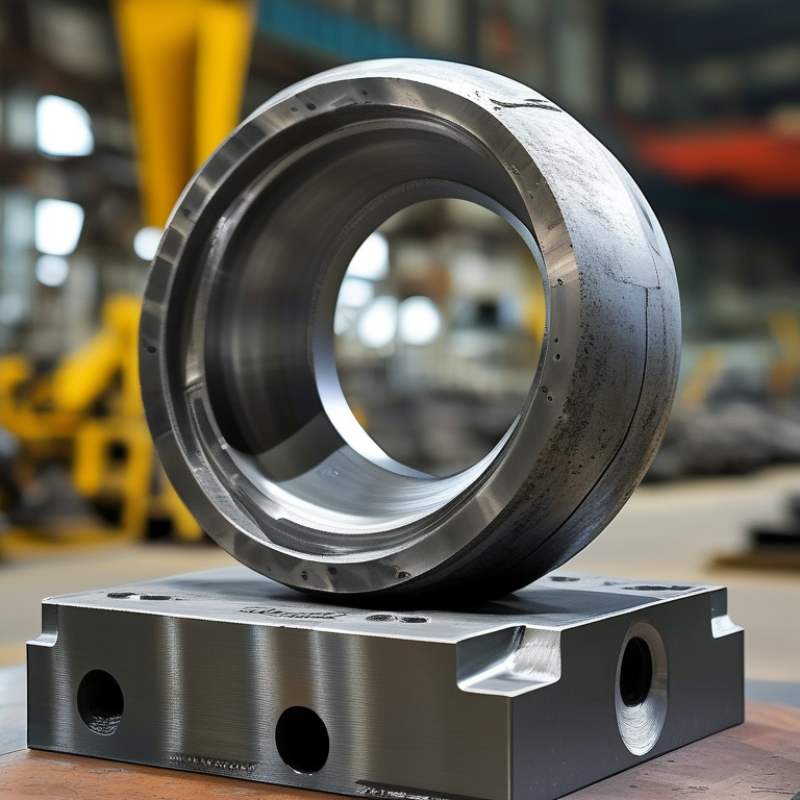
Stainless steel casting parts have become increasingly popular across various industries due to their exceptional properties. The Global Stainless Steel Market Report indicates that the market will reach approximately $150 billion by 2025. This growth is attributed to the versatile applications of stainless steel, particularly in construction, automotive, and aerospace sectors. Industries favor stainless steel for its corrosion resistance, durability, and aesthetic appeal.
In the automotive sector, stainless steel is crucial for manufacturing components that withstand high temperatures and harsh environments. A study by the American Institute of Steel Construction shows that using stainless steel enhances lifespan and reduces maintenance costs. In the aerospace industry, parts made from this material help in weight reduction while providing structural integrity. Furthermore, nearly 75% of stainless steel used in these industries comes from recycled material, showcasing an important link between sustainability and performance.
However, challenges do exist. The initial costs for stainless steel casting can be higher than other materials. Some manufacturers may hesitate to invest upfront. There is also a need for skilled labor to handle stainless steel fabrication effectively. This skill gap may lead to inconsistent quality if not addressed. Despite these hurdles, the benefits of stainless steel casting parts make it an attractive option for global buyers focused on long-term sustainability and durability.
Top Benefits of Stainless Steel Casting Parts for Global Buyers
| Benefit |
Description |
Applications |
| Corrosion Resistance |
Stainless steel resists rust and corrosion, making it ideal for harsh environments. |
Marine, chemical processing, and food handling industries. |
| Durability |
High strength offers excellent longevity of products. |
Construction, automotive, and aerospace applications. |
| Ease of Fabrication |
Can be easily molded and shaped for various designs. |
Manufacturing and custom parts production. |
| Aesthetic Appeal |
Sleek and modern look suitable for visible applications. |
Kitchen equipment, furniture, and decor. |
| Recyclability |
Environmentally friendly and can be recycled without loss of quality. |
Sustainable product manufacturing across industries. |
Durability and Corrosion Resistance of Stainless Steel Castings
Stainless steel castings are renowned for their durability and corrosion resistance. This makes them ideal for various applications across industries, from automotive to aerospace. The unique composition of stainless steel provides a robust structure that withstands extreme conditions. High levels of chromium form a protective layer that shields against rust and oxidation.
In marine environments, for example, stainless steel parts excel. Saltwater can wreak havoc on many materials. However, stainless steel's resistant properties allow it to endure such harsh conditions with minimal degradation. This longevity can significantly reduce maintenance costs over time. Yet, it’s important to recognize that even stainless steel can be vulnerable to certain chemicals. Regular assessments can prevent unexpected failures.
Another noteworthy aspect is the aesthetic appeal of stainless steel. It often maintains a polished look that enhances the design of products. However, achieving the perfect finish can be challenging. Some manufacturers might face difficulties with surface imperfections during casting. Maintaining high standards in production is crucial for visual and functional integrity. Buyers must be diligent in selecting suppliers who demonstrate both expertise and reliability in their casting processes.
Cost-Effectiveness of Stainless Steel Casting Parts for Buyers
Stainless steel casting parts are known for their cost-effectiveness. Buyers appreciate their durability and resistance to corrosion. They often reduce long-term maintenance costs and replacements. This is crucial for industries requiring reliable materials.
Investing in stainless steel casting means fewer failures. Parts can withstand extreme conditions. This reliability translates to savings over time. A well-made casting can last years without needing repairs. Yet, some suppliers might not meet all quality standards. It’s essential to assess supplier reliability.
Some buyers have reported mixed experiences with pricing. While costs can be lower, hidden fees sometimes arise. Understanding the whole process is vital. Buyers should evaluate the total cost of ownership. This includes installation and transport. The initial purchase price is just one factor. Exploring these details can uncover real savings.
Customization and Design Flexibility of Stainless Steel Castings
Stainless steel casting parts offer remarkable customization and design flexibility. These features are essential for global buyers looking for tailored solutions. The casting process allows for intricate geometries. This means complex shapes can be produced without compromising strength.
Buyers can specify exact dimensions, surface finishes, and mechanical properties. This level of customization supports various industries, from automotive to aerospace. Such detail is crucial in meeting stringent industry standards. Sometimes, the specifications may require multiple iterations to achieve perfection. This can lead to increased time and costs. However, the result is often worth the effort.
Tips: Ensure you communicate your requirements clearly. Decide on critical factors such as durability and appearance early in the process. Collaborate closely with manufacturers to streamline adjustments. Evaluate prototypes before final production. Doing so can mitigate potential issues, saving time and resources.
Sustainability and Environmental Benefits of Stainless Steel Usage
Stainless steel casting parts offer outstanding sustainability benefits that appeal to global buyers. This material is known for its durability and long lifespan. Stainless steel is highly resistant to corrosion, which reduces the need for frequent replacements. Consequently, fewer resources are needed to produce new parts. This durability allows industries to minimize waste while maximizing efficiency.
Moreover, stainless steel is 100% recyclable. When products reach the end of their life cycle, they can be repurposed with minimal energy consumption. This attribute aligns with global movements toward reducing waste and enhancing recycling initiatives. However, the challenge remains in ensuring proper recycling practices, which may vary by region. The effectiveness of recycling depends significantly on consumer habits and local infrastructure.
The production process of stainless steel can also be challenging. Although it has environmental benefits, its manufacturing involves energy-intensive processes. Companies must evaluate their production methods to mitigate environmental impacts. An ongoing commitment to innovation is essential, ensuring that this industry not only meets demand but also prioritizes sustainability. Balancing these factors requires dedication and continuous reflection on the choices made.
Top Benefits of Stainless Steel Casting Parts for Global Buyers



 +86 180 0293 5268
 CONTACT Shixin
 CONTACT Shixin
 CONTACT Shixin