


 +86 180 0293 5268





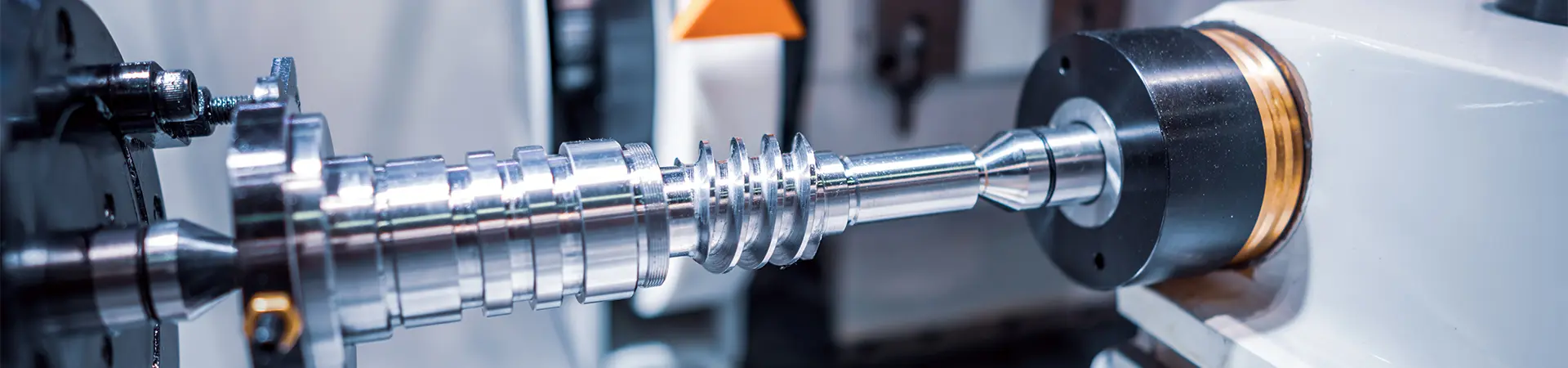
CNC Machining


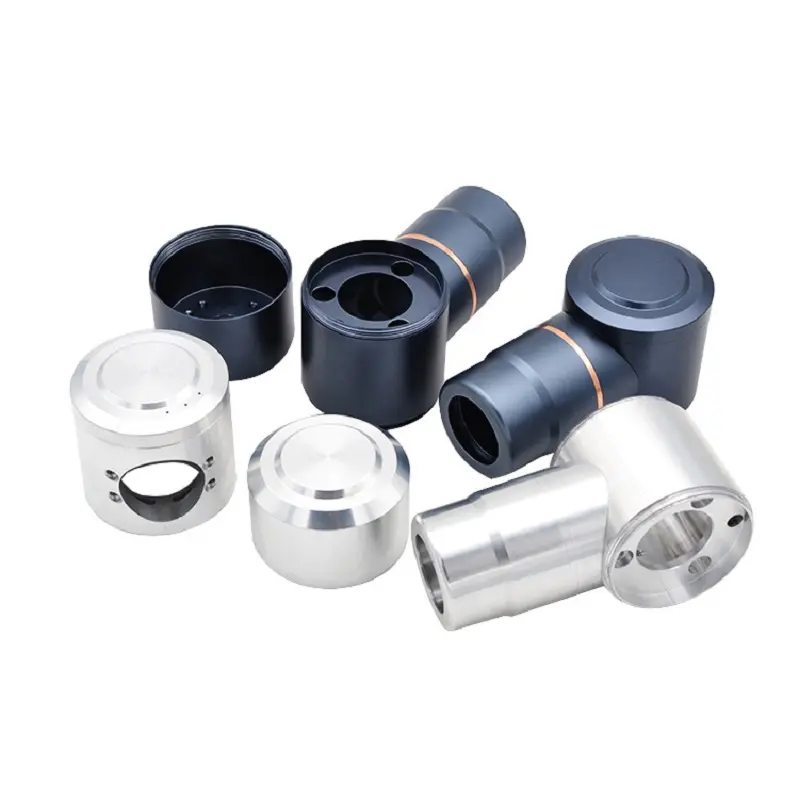
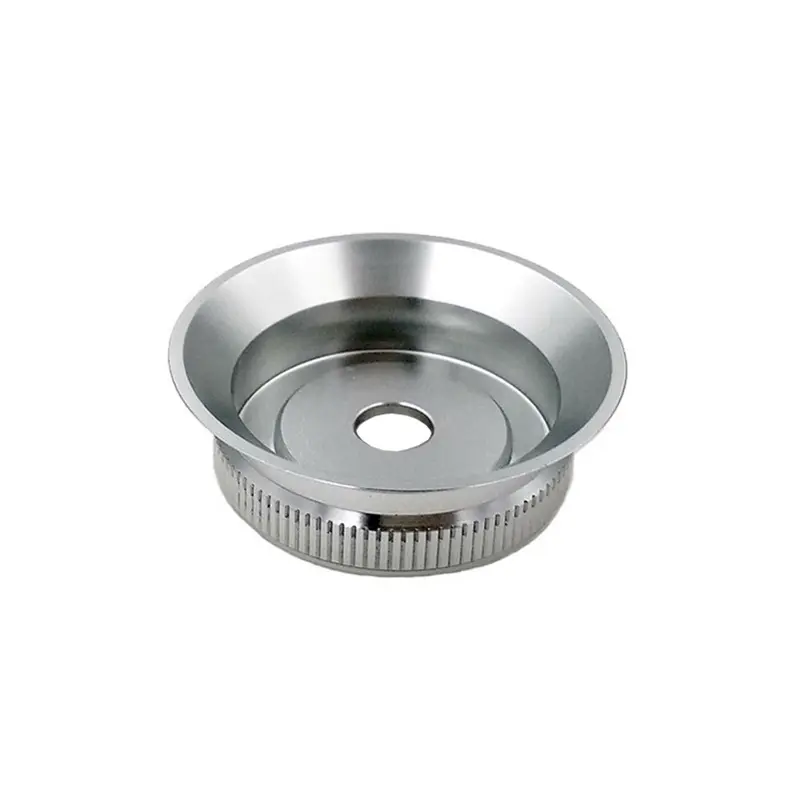
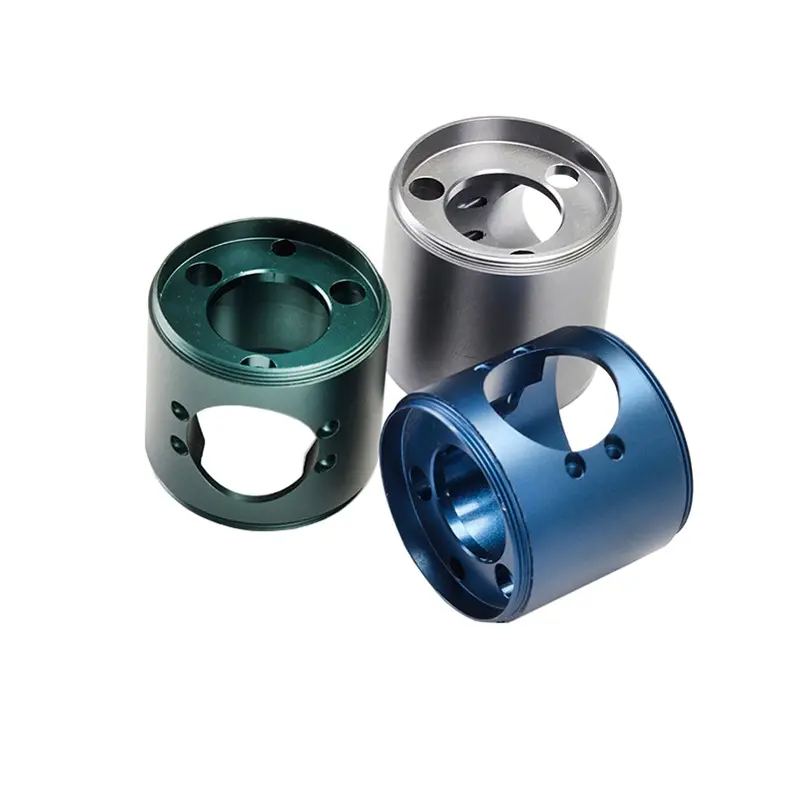
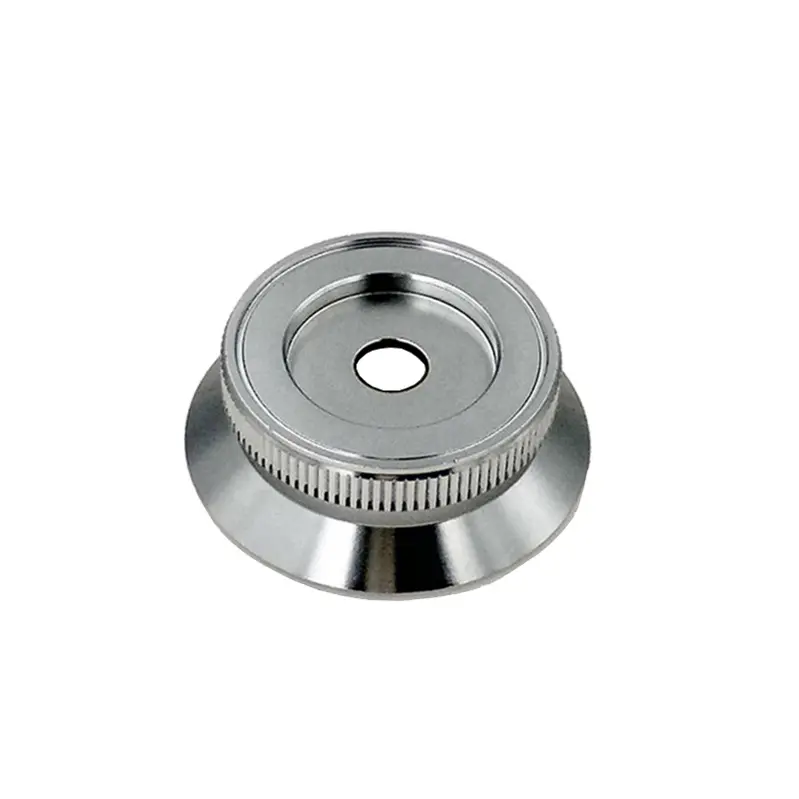
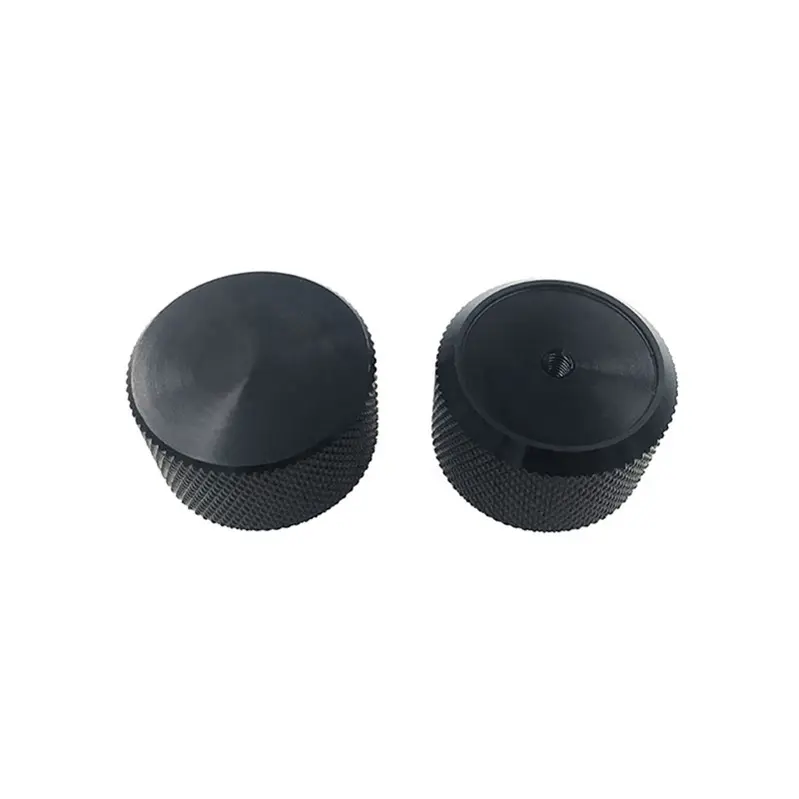
Custom CNC Turning and CNC Milling Services for Various Metal Materials
Characteristic
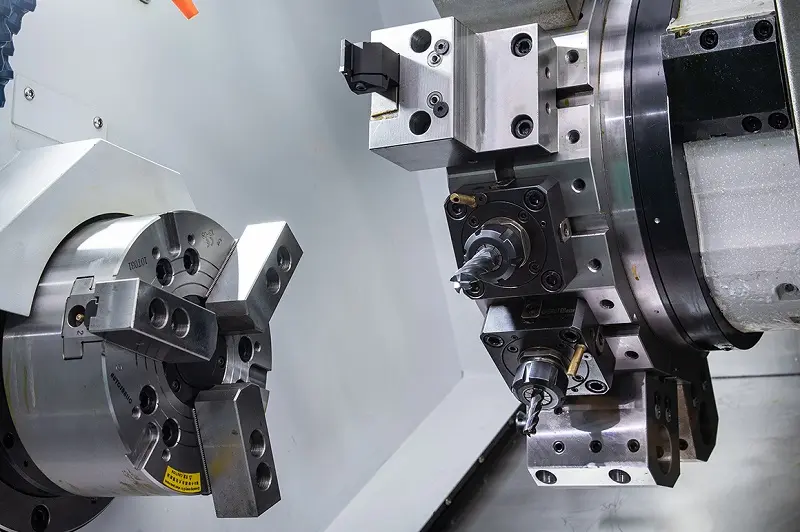
CNC turning and CNC milling are subtractive
manufacturing processes. CNC turning offers high efficiency and excellent
surface finish when machining rotational parts, while CNC milling is
irreplaceable for creating complex geometric shapes. Selecting the appropriate
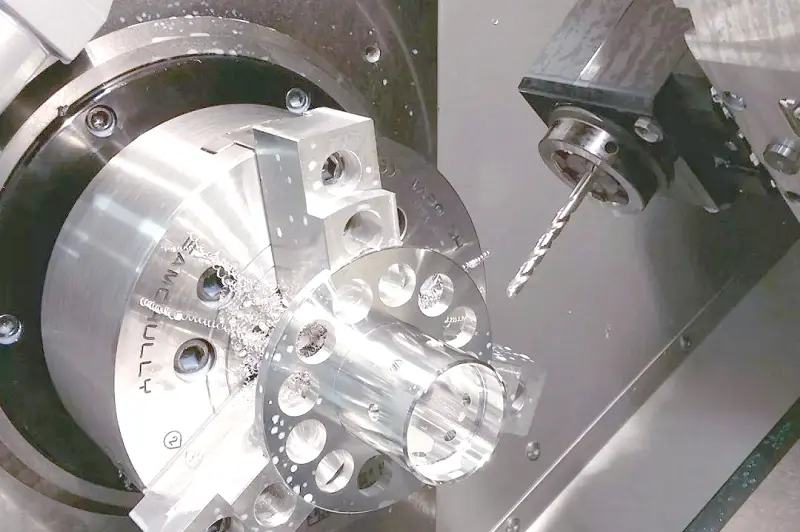
machining process based on part design—or adopting turn-mill composite
technology—enables the production of parts with high precision, high
efficiency, and low cost. Typically, turn-mill composite machining integrates
the core advantages of both processes through a model in which "turning
handles the rotating body, while milling addresses localized complex
features." At the same time, by enabling "single setup"
machining, it resolves the conflict between precision and efficiency inherent
in traditional multi-process workflows. Turn-mill composite machining
represents a typical advancement in modern CNC processing toward higher
precision, greater efficiency, and increased flexibility.

010203040506070809
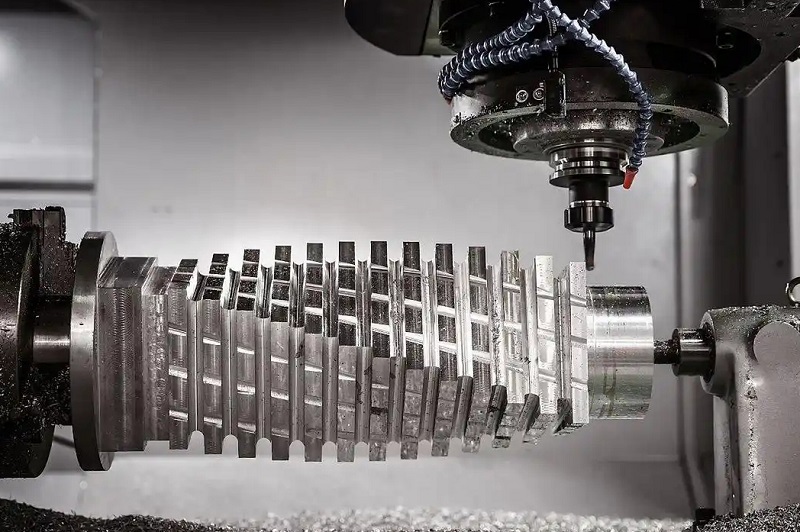
The CNC milling process holds a critical position in industries such as medical, automotive, machinery, and aerospace, where the manufacturing of complex geometries is required. This essential machining process relies primarily on rotating cutting tools to remove material from a workpiece. Under the precise control of a computer, this method enables the efficient and accurate production of intricate components. CNC turning, on the other hand, is widely used in the manufacturing industry to produce symmetrical parts such as shafts and bolts, with extensive applications in machinery, aerospace, marine, and automotive sectors. When choosing between CNC milling and turning, the decision depends on the complexity of the part and the manufacturing requirements. In some cases, a turn-mill composite machining process may be necessary.
-
Design

-
Engineered

-
Manufactured

0102
Services

Dongguan SX Technology Co.,Ltd
Contact usdescription2