Leave Your Message

Why Choose CNC Machined Parts for Your Project?

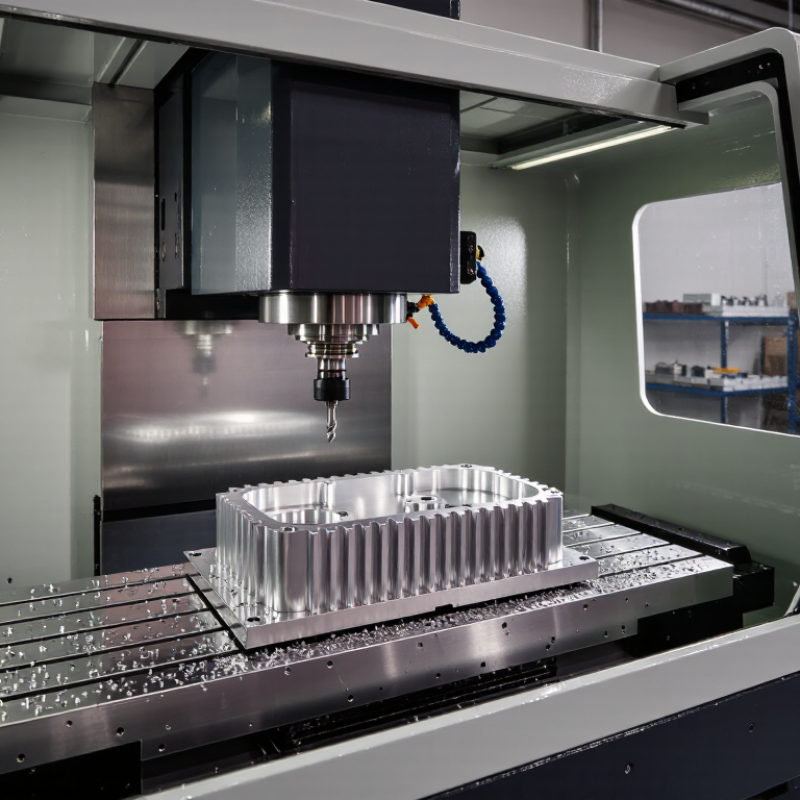
Choosing a Cnc Machined Part can make sense when your design needs accurate features, dependable repeatability, or a material that is difficult to shape by hand. A milled aluminum housing, for example, can include threaded holes, flat mounting faces, and carefully positioned slots in one coordinated process. That precision is useful. It is not magic.

W. Edwards Deming, a leading quality expert whose principles apply across manufacturing, said, “Quality comes not from inspection, but from improvement of the production process.” The lesson matters for CNC work: a good part depends on more than the machine. Clear drawings, suitable material, tool access, and sensible tolerances all influence the result. A tolerance tighter than the function requires may add setup time and cost without improving performance.

There are trade-offs. CNC machining can suit prototypes and production runs, but it may not be the most economical choice for every shape or quantity. Thin walls can vibrate during cutting. Deep pockets may require longer tools, and sharp internal corners usually need redesign. Small details matter.

Before selecting a process, compare the part’s purpose, expected volume, finish, and inspection needs. Ask the supplier to flag features that could complicate machining. One assumption may still be wrong: a design that looks simple on screen can be awkward to hold securely in a machine. Reviewing the drawing early can reveal that problem before material is cut. Done carefully, CNC machining offers a practical path from a digital model to a precise, usable component.
Why Choose CNC Machined Parts for Your Project?

What CNC Machining Is and How the Process Works

CNC machining is a subtractive manufacturing process: cutting tools remove material from a solid block, called a workpiece. The process starts with a CAD model that defines the part’s shape and dimensions. CAM software translates that model into tool paths and machine instructions. Before production, the design must be checked for features the tools can actually reach. A narrow internal corner, for example, may need a small-radius cutter.

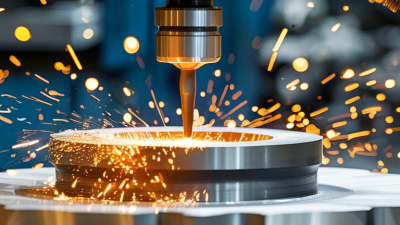
The workpiece is clamped firmly onto a machine table or held in a spindle. The machine follows programmed movements along controlled axes while a rotating cutter shapes the material. In milling, the cutter moves across a mostly stationary part. In turning, the workpiece rotates against a cutting tool. Cutting speed, feed rate, and tool choice vary with the material and geometry. Setup matters. A small shift in the clamp can affect a close-fitting feature.

After machining, the part is inspected with tools such as calipers, micrometers, or coordinate-measuring equipment. Measurements are compared with the drawing’s tolerances. Even a polished CAD model can conceal a weak wall or an awkward tool path; review may reveal that late. CNC machines repeat programmed movements, but they do not make every design practical or every setup error disappear.
Which Materials and Part Geometries Can CNC Machining Handle?

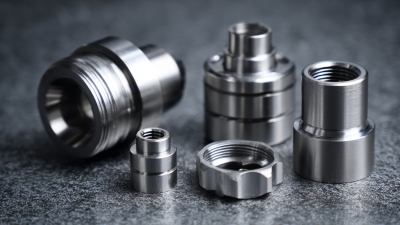
CNC machining can cut aluminum, carbon and stainless steels, brass, copper, titanium, and engineering plastics. Material choice affects more than strength: it changes cutting speed, tool wear, heat buildup, and surface finish. The International Aluminium Institute reported 70.6 million tonnes of primary aluminium production in 2023, while the World Steel Association reported 1.89 billion tonnes of crude steel production. These figures show the scale of available metal supply, not that every grade machines equally well. That matters. Titanium, for example, can generate heat at the cutting edge, so tool choice and machining strategy need careful control.

Geometry depends on both the machine and tool access. Three-axis milling suits flat faces, slots, pockets, and many drilled features; five-axis machines can reach angled faces and some undercuts with fewer setups. Turning handles round parts such as shafts and sleeves. Not every shape. Internal corners retain a tool-radius limit, while deep, narrow pockets can cause chatter or trapped chips. A practical design uses consistent wall thickness, accessible holes, and radii that match standard cutters. Deep cavities may still be possible, but they can raise cost and risk. I would not call a part “easy to machine” from its drawing alone; fixturing, tolerance, material condition, and finish requirements can change the answer.

Why Choose CNC Machined Parts for Your Project? - Which Materials and Part Geometries Can CNC Machining Handle?

CNC machining removes material from a solid workpiece using computer-controlled cutting tools. It is suitable for prototypes and production parts that need accurate features, a broad choice of materials, or a good machined surface finish.

Common CNC Machining Materials

Material Typical Characteristics Common Applications Design Considerations
Aluminum alloys Low density, good machinability, and useful strength-to-weight ratio. Corrosion resistance varies by alloy. Housings, brackets, fixtures, heat-transfer components, and lightweight structural parts. Thin walls can distort during machining. Anodizing is a common finishing option for suitable alloys.
Stainless steel Good corrosion resistance and strength; generally more demanding to machine than aluminum. Fluid-handling components, fasteners, medical equipment components, and food-processing hardware. Specify the alloy and service environment. Deep, narrow features may require slower machining and careful tool selection.
Carbon and alloy steel Available in a range of strengths and hardness levels; heat treatment may change machinability. Shafts, gears, tooling components, machine parts, and load-bearing hardware. Account for heat-treatment sequence, possible distortion, and any required corrosion protection.
Titanium alloys High strength-to-weight ratio and good corrosion resistance, but relatively difficult to machine. Aerospace components, chemical-processing parts, and performance-critical hardware. Higher cutting forces and heat make tool access, wall thickness, and machining strategy especially important.
Copper and brass Copper offers high electrical and thermal conductivity; many brass grades machine readily. Electrical contacts, terminals, fittings, connectors, and heat-transfer components. Soft materials can burr or mark. Identify the required alloy when conductivity or corrosion behavior matters.
Engineering plastics Materials such as acetal, nylon, and PEEK can offer low weight, electrical insulation, or chemical resistance, depending on grade. Insulators, bushings, guides, covers, wear components, and low-load fluid-handling parts. Plastics can expand, creep, or deform under heat and clamping pressure. Use material-specific tolerances and support thin features.

Part Geometries CNC Machining Can Produce

Geometry or Feature Typical Machining Approach Design Guidance
Flat faces, steps, and pockets Face milling and end milling Use internal corner radii that accommodate a cutting tool; perfectly sharp internal corners are generally not machinable by standard milling.
Holes and counterbores Drilling, boring, and spot-facing Deep or small-diameter holes may need special tooling. State hole depth, diameter, and any position or fit requirements.
Threads Tapping or thread milling Specify thread standard, size, and depth. Allow enough material around the thread for strength and tool access.
Slots, grooves, and channels End milling or slot milling Narrow, deep slots are harder to machine and may increase tool deflection. Avoid unnecessary depth-to-width ratios.
Curved surfaces and contours Multi-axis milling, often with ball-end tools Complex contours are feasible when the tool can reach the surface. Consider access direction, tool clearance, and surface-finish needs.
Round parts, shoulders, and grooves Turning for rotationally symmetric components Turning is well suited to shafts, sleeves, and similar parts. Milled features can sometimes be added using live tooling or a secondary setup.
Thin walls and fine details Milling with suitable workholding and multiple passes Thin sections may vibrate or deform. Add support, increase wall thickness where possible, and avoid fragile unsupported features.
Multi-face features Repositioning, multi-axis machining, or a combination of setups Features on several sides may require additional setups. A clear datum scheme helps control alignment between faces.

Capability note: Achievable dimensions, tolerances, surface finish, and minimum feature sizes depend on the material, part geometry, machine, tooling, workholding, and inspection method. Confirm critical requirements with the machining supplier during design review.

What Advantages Do CNC Machined Parts Offer?

CNC-machined parts offer precise dimensions and consistent results across repeated production runs. A cutting tool follows a programmed path, shaping metal or plastic into features such as mounting holes, slots, and flat faces. That matters. When parts must fit together, controlled tolerances can reduce hand adjustment during assembly. The achievable accuracy still depends on the material, machine setup, tool condition, and inspection method.

CNC machining also supports quick design changes. A revised digital model can guide a new cut without building a dedicated mold, which is useful for prototypes and smaller production batches. Many common engineering materials can be machined, though each brings different cutting behavior and finishing needs. The process is not automatically the cheapest choice. Complex shapes may require extra setups, and the material removed becomes chips. I have seen teams overlook that cost when comparing part prices alone. A simple design may perform better and be easier to produce.

Tips: Share critical dimensions, mating-part details, and expected loads with your machinist. Mark which surfaces need a specific finish or tolerance. Keep nonfunctional features flexible where possible; overly tight requirements can add cost without improving real-world fit.

Why Choose CNC Machined Parts for Your Project?

Material flexibility is one advantage of CNC machining. Compare the typical densities of four commonly machined alloys when balancing part weight and material choice.

Typical density values: aluminum 6061-T6, 2.70 g/cm³; titanium Ti-6Al-4V, 4.43 g/cm³; stainless steel 304, 8.00 g/cm³; and brass C360, 8.50 g/cm³. Actual values can vary slightly by specification.

How Do Cost, Lead Time, and Production Volume Affect the Choice?

Choosing CNC-machined parts means weighing setup cost against the price of each finished piece. A one-off aluminum bracket may require programming, fixture preparation, and machine time before cutting begins. That setup can make a single part expensive. But when dimensions are critical, machining may avoid costly rework or a separate mold.

Lead time depends on more than cutting speed. Stock availability, part complexity, finishing, and inspection all affect delivery. A simple block with drilled holes may move quickly through a shop. A thin-walled housing with tight tolerances may need extra passes and careful measurement. Ask for a realistic schedule that includes these steps. Rush work can help, but it may raise cost and leave less room for design changes.

Production volume changes the balance. CNC machining often suits prototypes and small batches because there is no dedicated production mold to fund. At higher volumes, however, repeated machine time can make each part costly. Compare the full run cost, not just the quoted unit price. Include material waste, finishing, inspection, and likely revisions. One detail is easy to miss: early estimates rely on the drawing and assumptions available. If tolerances are tighter than the function requires, the part may take longer and cost more. Review those requirements before approving production.

What Factors Determine Whether CNC Machining Fits Your Project?

CNC machining is often a practical choice when a part needs accurate dimensions, sturdy materials, or a quick prototype. Start with geometry and tolerances. A flat bracket with drilled holes is usually straightforward; a deep, narrow pocket may require a longer tool and extra setups. Those choices affect both cost and accuracy. Very tight tolerances need a reason.

Material matters too. Aluminum is generally easy to machine and keeps parts light, while stainless steel can take longer to cut and may increase tool wear. Consider how the component will be used, not just how it looks on a drawing. Will it face heat, vibration, or repeated loads? A machinist can flag features that are difficult to reach or likely to distort. Still, the first design review may miss something. That happens.

Order size and inspection needs also shape the decision. CNC can suit one-off prototypes and small production runs, but complex parts may need several fixtures and more machine time. If dimensions are critical, specify which surfaces and measurements matter most. Inspecting every feature equally can add effort without improving function. Ask about available stock, setup requirements, and lead time before finalizing the design. A small change, such as increasing an internal corner radius, can sometimes simplify cutting without affecting how the part works.