What is Wax Casting Aluminum and How Does It Work?
Wax Casting Aluminum is a fascinating process that combines artistry and engineering. As noted by industry expert James Rodriguez, "Wax Casting Aluminum allows for precision in metalworking that is unparalleled." This method involves creating a wax pattern, encasing it in a ceramic shell, and then melting the wax to leave a hollow mold.
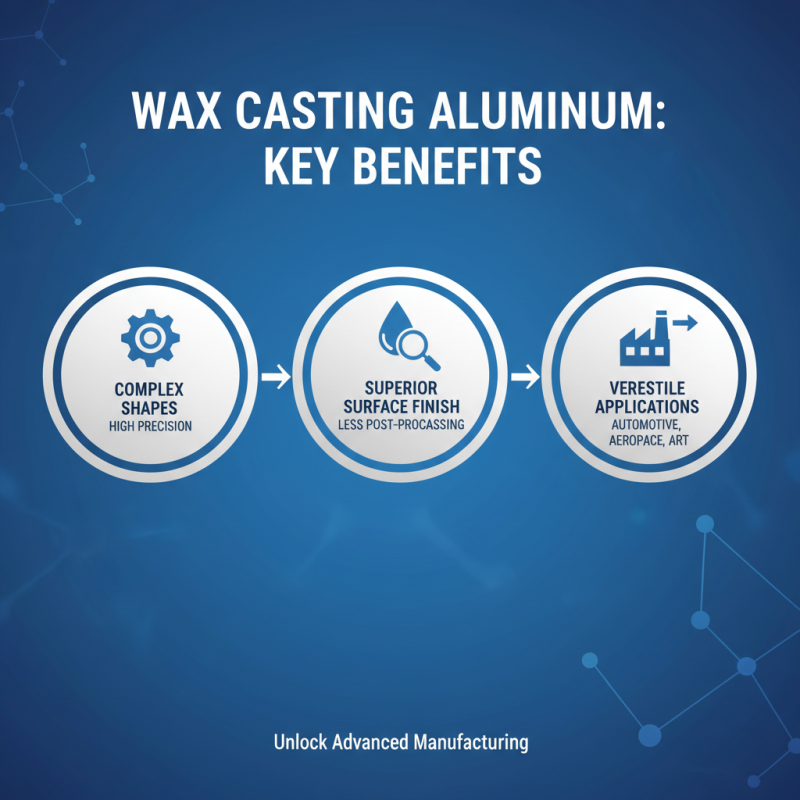
The beauty of Wax Casting Aluminum lies in its detail. This process enables the production of intricate designs, often used in jewelry and art pieces. However, achieving the perfect cast can be challenging. Factors like temperature control and mold quality can greatly affect the final outcome.
Mistakes can lead to defects, which are important to assess and learn from. Each attempt offers insights into improving techniques. In this delicate balance of science and art, one must embrace imperfection while striving for excellence in Wax Casting Aluminum.
What is Wax Casting Aluminum?
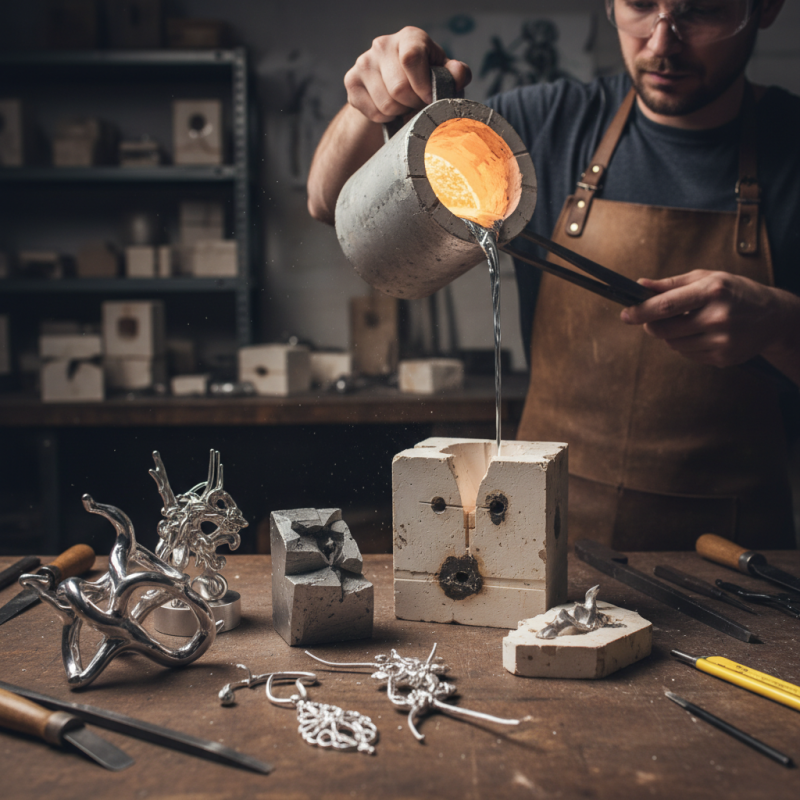
Wax casting aluminum is a precise method of creating metal components. It utilizes a wax pattern, which is a replica of the desired shape. This technique begins with making a wax model. The model is then coated with a ceramic shell. Once the shell hardens, the wax is melted away, leaving a cavity.
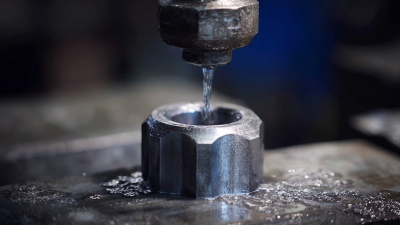
The next step involves pouring molten aluminum into the cavity. As it cools, it takes on the shape of the original wax pattern. This process is widely appreciated for its ability to produce intricate designs and fine details. Artisans often rely on wax casting for both functional parts and artistic sculptures.
Tips: Always monitor the temperature of the molten aluminum.
Too hot can lead to defects. Also, invest time in creating a perfect wax model.
Small imperfections in the model can magnify in the final product. Remember to ensure a safe workspace when handling materials and equipment.
Safety should always come first.
History and Development of Wax Casting Techniques
The history of wax casting techniques dates back thousands of years. Ancient civilizations, like the Egyptians and Chinese, used these methods to create intricate metal objects. The technique, known as lost-wax casting, involves creating a wax model, coating it with ceramic material, then melting away the wax to form a mold.
Over time, advancements in technology enhanced these traditional methods. The introduction of new materials and processes allowed for higher precision and greater detail in casts. According to recent industry reports, the global investment casting market was valued at approximately $14 billion in 2021 and is projected to grow steadily. This growth primarily stems from the increased demand in automotive and aerospace industries.
Despite the advances, challenges remain. Many foundries still face issues, such as managing waste and optimizing production processes. Techniques can be labor-intensive, requiring skilled artisans for quality outcomes. This reality reveals a gap between modern technology and traditional craftsmanship. Balancing these elements is essential for the future of wax casting aluminum.
The Wax Casting Process: Step-by-Step
Wax casting aluminum is a fascinating process. It starts with creating a wax model of the desired object. This model is coated with a ceramic shell. Then, the model is heated, allowing the wax to melt and drain out. This leaves a hollow mold.
Once the mold is ready, molten aluminum is poured into it. The aluminum fills the void left by the wax. It cools and hardens, taking the shape of the original model. Careful cooling is essential to prevent defects. Sometimes, this cooling process does not go as planned.
After the aluminum sets, the ceramic shell is broken away. The final product is often impressive. However, imperfections can occur. These may include small air bubbles or surface flaws. Learning from these outcomes can improve future castings. Each attempt offers insights into refining technique and process.
Applications of Wax Casted Aluminum Products
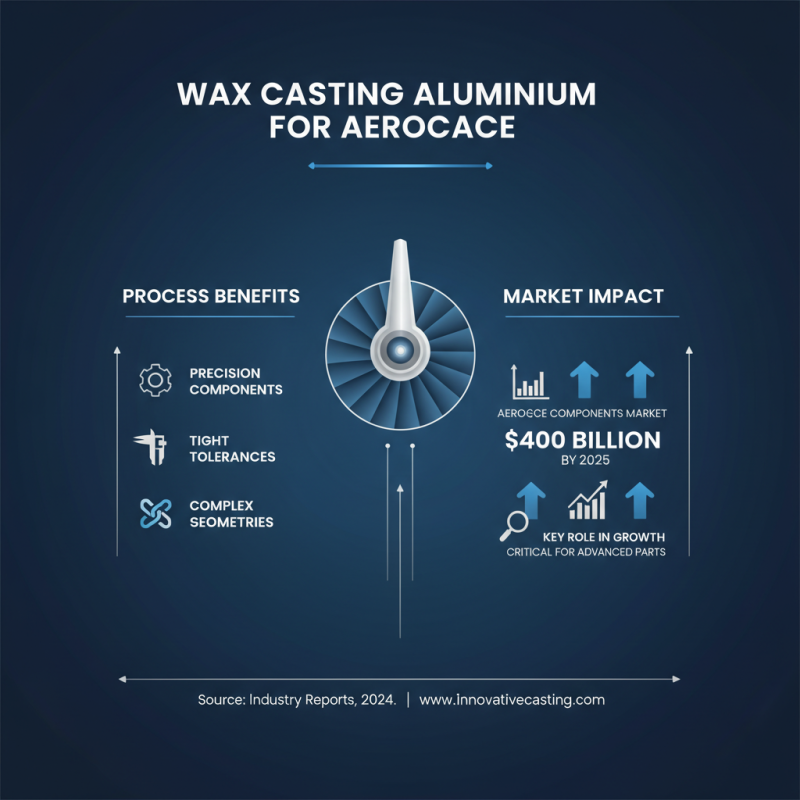
Wax casting aluminum is a fascinating process that has numerous applications across various industries. One prominent application is in the aerospace sector. Precision components such as turbine blades benefit from the wax casting process. This method offers tight tolerances and complex geometries. According to industry reports, the aerospace components market is projected to reach $400 billion by 2025, and wax casting is expected to play a significant role in this growth.
Another vital application is in the automotive industry. Wax-casted aluminum parts are increasingly used for engine components, brackets, and housings. A recent study found that lightweight materials like aluminum can reduce vehicle weight by up to 30%. This reduction, in turn, enhances fuel efficiency and reduces emissions. The shift towards electric vehicles further amplifies the demand for such lightweight components.
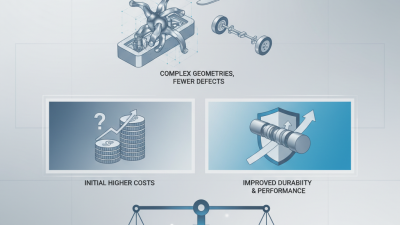
However, challenges exist. The wax casting process can emit volatile organic compounds, which need careful management to minimize environmental impact. Additionally, the costs of producing high-quality wax casts can be higher compared to traditional methods. As companies push for innovation, addressing these concerns will be crucial to fully harness the benefits of wax casting in aluminum applications.



 +86 180 0293 5268
 CONTACT Shixin
 CONTACT Shixin
 CONTACT Shixin