Top Metal Parts Manufacturing Solutions for Global Buyers?
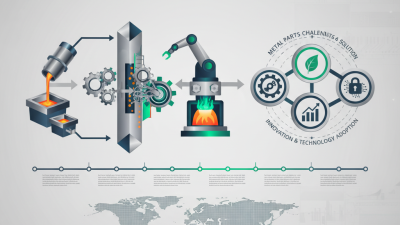
In the competitive landscape of Metal Parts Manufacturing, global buyers seek innovative solutions. Expert Mark Johnson, a seasoned professional in the industry, states, "Quality and precision define the future of metal parts." His insights reflect the rising demand for superior metal components.
Manufacturers are under pressure to optimize processes and maintain high standards. Leading companies are adopting advanced technologies like automation and 3D printing. These innovations improve efficiency and reduce production times. However, challenges remain. Transitioning to new methods often brings unexpected hurdles.
The essence of Metal Parts Manufacturing lies in its ability to adapt. Flexibility in production is vital for meeting diverse client needs. Buyers are increasingly looking for suppliers who can deliver custom solutions without sacrificing quality. The journey of innovation is ongoing, and each step calls for careful consideration and reflection.
Top Trends in Metal Parts Manufacturing for Global Markets
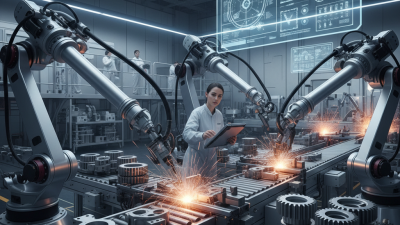
The metal parts manufacturing industry is evolving. Many global buyers are looking for innovations to improve efficiency. One trend is the adoption of automation technology. Automated processes can enhance precision and reduce production time.
Another significant trend is the use of advanced materials. Manufacturers are exploring composites and alloys that offer better performance. Such materials can withstand extreme conditions, appealing to sectors like aerospace and automotive. However, sourcing these materials can be tricky. Not all suppliers meet quality standards.
Sustainability is a growing concern. Many buyers want eco-friendly practices in manufacturing. Some companies are investing in renewable energy sources to power their factories. This move shows a commitment to environmental responsibility. Yet, not every manufacturer is on board with green initiatives. This creates a divide in the industry that could impact competitiveness in global markets.
Global Demand for Metal Parts: Key Statistics and Projections
The global demand for metal parts has seen remarkable growth in recent years. By 2025, the market is expected to reach significant milestones, driven by various industries. In automotive, aerospace, and electronics, the need for durable and reliable metal components is paramount. The rise of electric vehicles and advanced manufacturing processes has further fueled this need.
However, the manufacturing landscape faces challenges. Supply chain disruptions impact production timelines. Many manufacturers struggle with the increasing costs of raw materials. Furthermore, quality control remains a critical issue. Companies must invest in technology and training to maintain standards. Despite these obstacles, innovations in metalworking techniques offer paths for improvement.
Looking at the projections, sustainability is becoming crucial. Many global buyers seek eco-friendly solutions. This indicates a shift toward recycled materials and energy-efficient production methods. As market dynamics evolve, adaptability will be vital for success. Producers must embrace these changes to meet growing demands and consumer expectations.
Innovative Technologies Revolutionizing Metal Parts Production
Innovative technologies are transforming the metal parts manufacturing sector. Advanced techniques like additive manufacturing and automation are boosting efficiency and precision. According to a recent report by the International Data Corporation, the global market for additive manufacturing is projected to reach $35 billion by 2025. This growth highlights the demand for innovative solutions that enhance production capabilities.
Automation is another key player in modern metal parts production. Manufacturers report that robotic process automation can reduce production time by 30%. These systems allow for higher volumes of parts with fewer errors, but they require significant upfront investment. Companies must weigh potential gains against the initial costs. Additionally, skilled labor shortages mean that relying solely on human workers is becoming less viable.
Emerging materials, like lightweight alloys and composites, are also shaping the industry. They offer improved performance but can complicate manufacturing processes. The blend of new materials with existing technologies often leads to challenges in quality control. Manufacturers are urged to adapt and innovate continually. Balancing these dynamics is crucial for staying competitive in a rapidly changing market.
Top Metal Parts Manufacturing Solutions for Global Buyers
| Manufacturing Technology |
Applications |
Material Types |
Production Speed |
Cost Efficiency |
| 3D Printing |
Prototyping, Custom Parts |
Aluminum, Titanium |
Medium |
High |
| CNC Machining |
High Precision Parts |
Steel, Brass |
High |
Medium |
| Laser Cutting |
Sheet Metal Fabrication |
Stainless Steel, Copper |
High |
High |
| Injection Molding |
Complex Parts Production |
Plastic Composites |
Very High |
Low |
| Metal Injection Molding |
Small Precision Parts |
Stainless Steel, Nickel |
Medium |
Medium |
Addressing Quality Standards in Metal Parts Manufacturing
The metal parts manufacturing industry is evolving rapidly. Buyers now seek solutions that meet high-quality standards. These standards ensure that parts are durable, reliable, and capable of performing well in various applications. Emphasizing quality is essential for manufacturers competing on a global scale.
It is crucial for manufacturers to implement strict inspections at every production stage. Regular quality audits help identify flaws early. Adopting technology like 3D printing can enhance precision. However, relying solely on technology without proper oversight can lead to errors. Continuous training for staff is necessary. Knowledgeable employees help maintain high-quality outputs.
Tips: Always verify certifications before choosing a supplier. Understanding production capabilities can save time. Communication is vital; discuss expectations upfront. Quality assurance processes should not be an afterthought. They must be integrated into the workflow from the beginning. By doing so, manufacturers can build a reputation for excellence. Global buyers will notice this commitment to quality.
Sustainable Practices in Metal Parts Manufacturing: A Growing Focus
Sustainability has become critical in metal parts manufacturing. A recent report by the International Metal Association highlights that nearly 40% of manufacturers are prioritizing eco-friendly practices. This trend reflects a growing understanding of the industry's environmental impact.
Manufacturers are optimizing energy consumption in production. Implementing advanced technologies can reduce waste and lower carbon footprints. For instance, transitioning to renewable energy sources not only decreases emissions but can also cut operational costs. However, many still lag in adopting these solutions, relying on outdated methods that harm sustainability efforts.
Recycling and resource efficiency are essential components of a sustainable strategy. Studies indicate that recycling metal can save up to 95% of energy compared to producing new metal. Yet, some companies focus more on profit than eco-initiatives. This mindset needs reevaluation. Industry leaders must embrace sustainability and encourage peers. The future of metal parts manufacturing relies on responsible practices that protect our planet.



 +86 180 0293 5268
 CONTACT Shixin
 CONTACT Shixin
 CONTACT Shixin