Top CNC Machining Parts for Global Buyers in 2026?
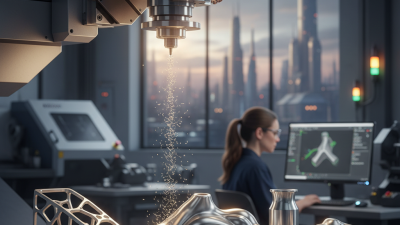
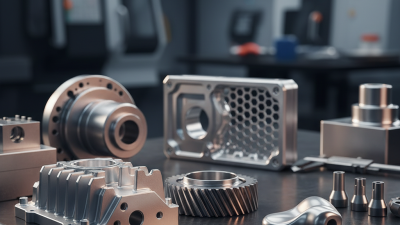
In the evolving landscape of global manufacturing, Cnc Machining Parts continue to hold a critical position. These components are essential across various industries, including automotive, aerospace, and medical. As we look to 2026, buyers worldwide will seek innovative and reliable parts that meet high standards.
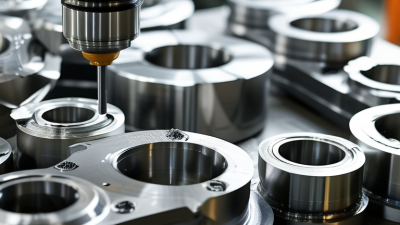
Cnc Machining offers precision and flexibility, but not all suppliers deliver the same quality. It’s crucial for buyers to evaluate their options carefully. Some fabrication techniques may lack the desired accuracy, leading to potential issues in final products. Trusted suppliers with proven expertise are key to ensuring reliability.
Moreover, the increasing demand for sustainability in manufacturing adds another layer of complexity. Buyers must consider not only the technical performance of Cnc Machining Parts but also their environmental impact. Striking a balance between quality, cost, and sustainability presents challenges that require thoughtful consideration. A keen eye for detail will help manufacturers and buyers navigate this intricate landscape effectively.
Emerging Trends in CNC Machining Parts for 2026
As we approach 2026, the CNC machining parts market shows exciting trends. Data from industry reports suggest increases in customization and automation. Customized parts can enhance efficiency. Custom components save time in production. The demand for tailored solutions is projected to rise by 15% annually.
Sustainability is another critical trend. Companies are seeking eco-friendly materials. According to recent studies, 60% of manufacturers prioritize energy-efficient processes. This shift is reshaping procurement strategies. Additionally, the use of recyclable materials is on the rise. These practices not only minimize environmental impact but also appeal to consumers.
Emerging technologies continue to transform the landscape. The integration of AI and IoT in CNC machining enables smarter operations. Reports indicate a potential 20% reduction in operational costs. These advancements improve accuracy and reduce waste. However, challenges remain. The technology requires ongoing training and investment. Not all companies are prepared to adapt swiftly. As the industry evolves, staying informed about these trends will be crucial for global buyers.
Key Industries Driving Demand for CNC Machining Components
CNC machining is set to play a vital role in various industries by 2026. The automotive sector is one of the primary drivers of demand. As companies pursue innovations in electric vehicles, there is a rising need for precision-engineered components. These parts enhance performance and efficiency, which are crucial for modern automotive engineering.
Aerospace manufacturing also significantly relies on CNC machining. The demand for lightweight, durable components is increasing. Precision is essential in this industry, as safety is paramount. Missing the mark on specifications can lead to severe consequences, highlighting the need for experienced manufacturers.
Tips: Choose reliable suppliers. Quality certifications help ensure safety and consistency. Also, engage in regular quality control audits. This diligence prevents errors and enhances trust.
Furthermore, the medical field is emerging as a strong market. As technology advances, medical devices demand intricate parts made with precision. Even small deviations can affect performance, making quality assurance vital.
Tips: Collaborate closely with engineers for insights. Their feedback on prototyping can lead to better outcomes. Evaluate the latest machining technologies, as they may offer competitive advantages.
Top Materials Used in CNC Machining for Global Buyers
CNC machining stands out in today's manufacturing world. Various materials play a crucial role in determining the performance and quality of the parts produced. Aluminum remains a top choice, known for its lightweight properties and excellent machinability. It suits industries like aerospace and automotive. Steel, particularly stainless steel, is favored for its strength. Parts made from steel endure high-stress applications, making them reliable under extreme conditions.
Plastics, such as nylon and polycarbonate, are increasingly popular. These materials offer versatility and can be cost-effective. They withstand impact and corrosion, which is essential for many applications. Composite materials are also gaining traction. They combine the benefits of various substances, making them robust yet lightweight.
However, selecting the right material can be challenging. Not all materials fit every application perfectly. For example, while aluminum is light, it may not withstand extreme temperatures like steel. Understanding these nuances is vital for global buyers. Making informed decisions now can prevent costly mistakes in the future.
Innovations in CNC Machining Technology Impacting Quality
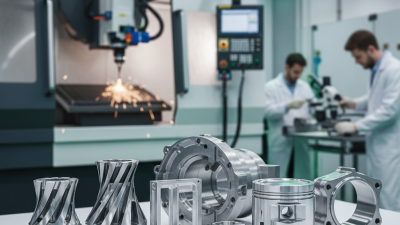
CNC machining continues to evolve, driving innovations that significantly enhance production quality. Advanced technologies, like automated tool changers and real-time monitoring systems, are increasing precision in machining processes. These developments are crucial for businesses that demand high-quality parts and components.
However, these innovations come with challenges. Not all manufacturers adapt quickly to new technologies. Some may struggle to integrate advanced systems into existing workflows, leading to production delays. Training staff to operate sophisticated machinery can also be a hurdle, impacting overall efficiency.
Additionally, while high-tech solutions improve quality, they can also increase operational costs. Many buyers must navigate this balance carefully. Understanding the long-term benefits of investing in cutting-edge technology versus immediate expenses is vital. Embracing innovation in CNC machining is essential, but careful consideration of its implementation will determine success.
Top CNC Machining Parts Demand in 2026
Market Analysis: Leading Suppliers and Competitive Landscape in 2026
The global CNC machining market is evolving rapidly. By 2026, several key players will emerge, enhancing competition and innovation. Understanding the leading suppliers is crucial for buyers. Reliable suppliers should offer quality, precision, and timely delivery. Exploring partnerships with established companies can strengthen your market position.
Tips: Always assess supplier track records. Look for those with extensive experience in CNC machining. Quality certifications are essential. They reflect a commitment to excellence and reliability.
Competitive landscaping indicates a focus on customization and flexibility. Buyers should consider suppliers who adapt quickly to your precise needs. Innovations in technology will also play a vital role in differentiating suppliers. Keep an eye on industry trends and emerging technologies.
Tips: Engage in regular market research. Stay updated with the latest advancements in CNC machining. Reflect on your sourcing strategies to ensure they align with your goals. Aim for a diverse supplier base to mitigate risks and enhance your capabilities.



 +86 180 0293 5268
 CONTACT Shixin
 CONTACT Shixin
 CONTACT Shixin