Top 10 CNC Machining Parts Every Buyer Should Know?
In the world of manufacturing, understanding different Cnc Machining Parts is crucial for buyers. These components play a pivotal role in the production process. Their quality directly influences the performance of the final product. Hence, knowledge about these parts can significantly impact purchasing decisions.
Many buyers focus on cost, but overlooking the importance of material and design can be costly. Cnc Machining Parts vary in complexity. Each part has unique functions and specifications. Understanding these differences helps in choosing the right components. The market is vast, and it can be overwhelming. Familiarity with these parts aids in identifying quality suppliers and products.
Buyers often make mistakes when selecting Cnc Machining Parts. Sometimes, the emphasis is placed more on aesthetics than functionality. This approach may lead to performance issues. It’s vital to consider the intended application of each part. With the right information, buyers can enhance their operations while avoiding unnecessary challenges. Knowledge is power in this ever-evolving field.
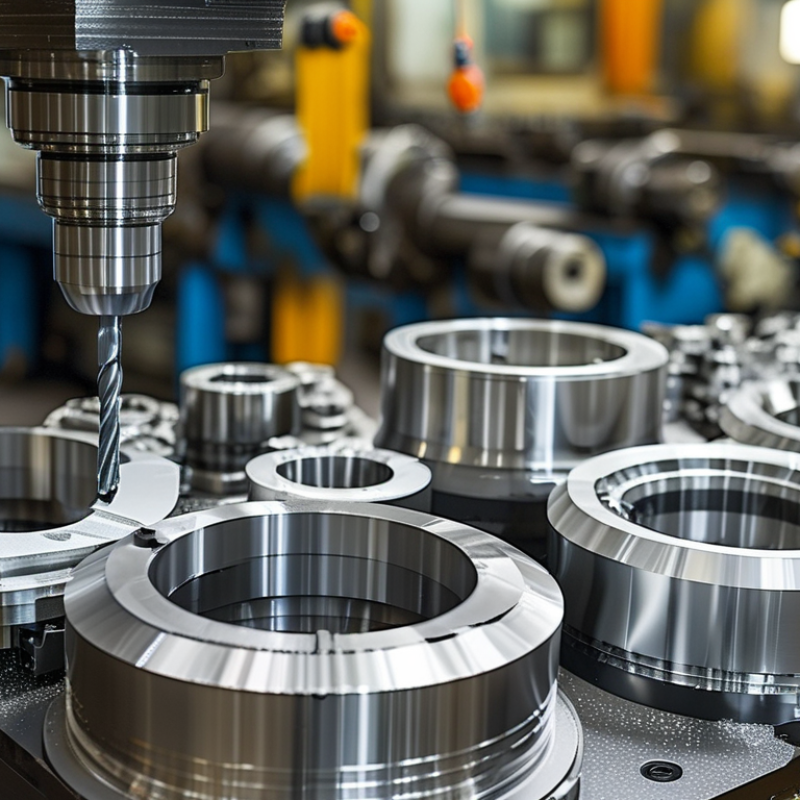
Understanding CNC Machining: A Comprehensive Overview
CNC machining is a crucial process in modern manufacturing. Understanding its intricacies helps buyers make informed decisions. This technique utilizes computer-controlled machines to produce precise parts from various materials. The flexibility of CNC allows for flexibility in design and production volumes.
When selecting CNC machined parts, consider factors like material type, tolerances, and surface finish. Buyers often overlook the importance of these elements. Each component needs to meet specific applications. Understanding how each material behaves during machining is vital. It can affect the final product's durability and appearance.
**Tips:** Always communicate your specifications clearly. Miscommunication can lead to costly revisions. Evaluate your supplier's experience with similar parts. Trusting their expertise can save time and resources.
Be prepared for revisions during the design phase. Perfection is often a moving target in CNC machining. Regularly revisit your designs to ensure they align with your project goals. Continuous improvement is key.
Top 10 CNC Machining Parts Every Buyer Should Know
| Part Name |
Material |
Common Applications |
Precision Level |
Lead Time (Days) |
| Bracket |
Aluminum |
Mounting Hardware |
±0.05 mm |
10 |
| Shaft |
Steel |
Rotary Systems |
±0.02 mm |
15 |
| Gear |
Brass |
Transmission Systems |
±0.03 mm |
20 |
| Housing |
Plastic |
Electronic Enclosures |
±0.1 mm |
5 |
| Plate |
Aluminum Alloy |
Structural Support |
±0.05 mm |
12 |
| Bracket |
Cast Iron |
Heavy Machinery |
±0.07 mm |
18 |
| Spindle |
Stainless Steel |
Machining Tools |
±0.01 mm |
30 |
| Connector |
Bronze |
Electrical Connections |
±0.02 mm |
7 |
| Framework |
Aluminum |
Industrial Applications |
±0.05 mm |
14 |
| Ejector |
Tool Steel |
Injection Molding |
±0.01 mm |
25 |
Key Factors to Consider When Selecting CNC Machining Parts
When selecting CNC machining parts, it is crucial to consider several key factors. Material choice is fundamental. Different materials offer varying properties, affecting the part's strength, weight, and durability. For example, aluminum provides excellent corrosion resistance and is lightweight, making it ideal for aerospace applications. In contrast, steel alloys offer superior strength, suitable for heavy-duty machinery.
Precision matters significantly in CNC machining. Tighter tolerances lead to improved performance and better fit in assemblies. Recent industry reports reveal that a mere 0.1 mm variation can lead to substantial performance issues in complex assemblies. Buyers must specify the required tolerances to ensure optimal performance.
Additionally, the machining process itself shapes the final product. Processes like milling, turning, and grinding produce parts with different finishes and characteristics. Each approach has its strengths and weaknesses. For instance, milling can create complex geometries, but it may produce a rougher finish. Buyers should weigh these factors against their application’s demands. Reflecting on these elements can enhance the selection process and lead to better results in production.
Top CNC Machining Materials and Their Applications
CNC machining is increasingly popular in various industries. Different materials cater to unique requirements. Understanding these materials is crucial for informed purchasing.
Aluminum is lightweight and strong. It is corrosion-resistant, making it ideal for aerospace and automotive applications.
Steel, on the other hand, offers superior durability. It can withstand heavy loads, perfect for construction components.
Plastics like ABS provide excellent insulation properties. They find applications in consumer products and electronic housings.
However, each material has its challenges. While
titanium is incredibly strong, it can be difficult and costly to machine.
Copper is excellent for electrical applications, but it may corrode easily. Selecting the right material requires careful thought and sometimes trial and error. The best choice often stems from balancing cost, performance, and application needs. Making an informed decision can lead to more effective outcomes.
Essential CNC Machining Techniques for Precision Manufacturing
CNC machining has revolutionized precision manufacturing. Key techniques ensure high-quality outputs. Among these, milling, turning, and wire EDM stand out. A report from the Association for Manufacturing Technology states that CNC technology has increased efficiency by as much as 30% in recent years.
Milling is versatile and used for various materials. It involves rotating cutting tools to remove material from a workpiece. Precision is critical here, as even slight variations can lead to defects. Turning, on the other hand, shapes parts by rotating the workpiece against a cutting tool. According to a study by the American Society of Mechanical Engineers, turning can produce parts with tolerances as tight as ±0.001 inches.
Wire EDM, or Electrical Discharge Machining, is vital for intricate designs. It uses a thin wire to cut through metal with high accuracy. While effective, wire EDM can be slower compared to traditional methods. This may lead to higher production costs. Therefore, manufacturers must weigh time against financial implications to optimize their processes.
Common CNC Machining Parts and Their Functions in Industry
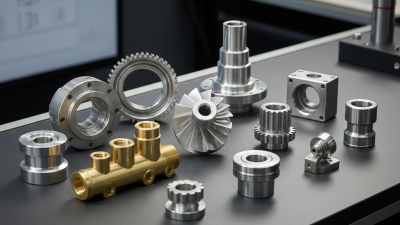
CNC machining plays a crucial role in various industries. It produces precise parts vital for functionality. Common CNC machined parts include brackets, housings, and gears. Each part serves a unique purpose. For instance, brackets provide structural support. They are essential in aerospace and automotive applications. Gears, on the other hand, facilitate motion and transfer power in machinery.
According to a report by Research and Markets, CNC machining parts market is projected to grow at a CAGR of 7.1% by 2026. This reflects the increasing demand for high-quality components across industries. However, not all machined parts meet required specifications. Issues such as dimensional inaccuracy can arise. This necessitates rigorous quality control measures. Inspections using coordinate measuring machines (CMM) are common. They help ensure that parts are manufactured to precise tolerances.
Despite advancements, challenges remain. Material selection can impact performance and cost. Some materials may not withstand high temperatures in certain applications. Balancing cost-effectiveness with quality is often tricky. Manufacturers need to consider these factors carefully. The right combination will enhance reliability and functionality in end products.
Top 10 CNC Machining Parts
This chart represents the importance level of the top 10 CNC machining parts in the industry, illustrating how critical each component is for efficient machining processes.



 +86 180 0293 5268
 CONTACT Shixin
 CONTACT Shixin
 CONTACT Shixin