Top 5 Benefits of Stainless Investment Casting Explained?
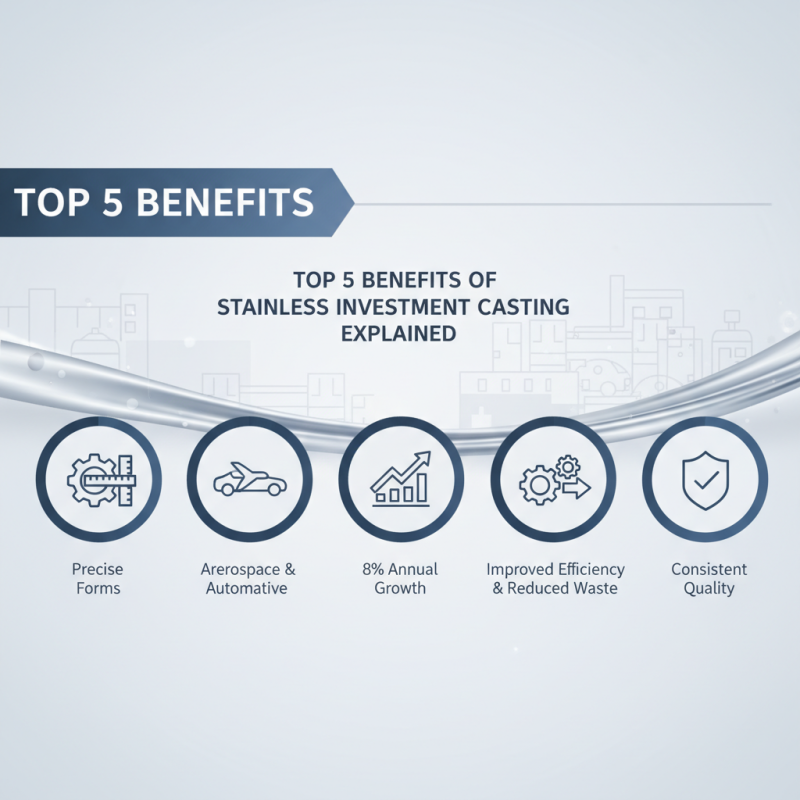
Stainless Investment Casting is a process that shapes metals into precise forms. This technique plays a crucial role in various industries, including aerospace and automotive, where accuracy is vital. According to a recent industry report by Smith & Associates, the market for stainless investment casting is projected to grow by 8% annually.
Expert John D. Carter, a leader in metalworking innovation, stated, "Stainless Investment Casting reshapes our approach to manufacturing. Its benefits are immense." The advantages of this method are not just theoretical; they are observable in real-world applications. Companies utilizing stainless investment casting report improved efficiency and reduced material waste, vital in today's competitive market.
However, it's essential to note that not all applications may benefit equally from this method. Some businesses might still encounter challenges in sourcing proper materials or maintaining consistent quality. Reflecting on these aspects is crucial for optimizing production processes and ensuring long-term success in leveraging Stainless Investment Casting.
Overview of Stainless Investment Casting Process
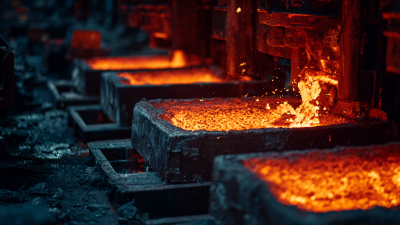
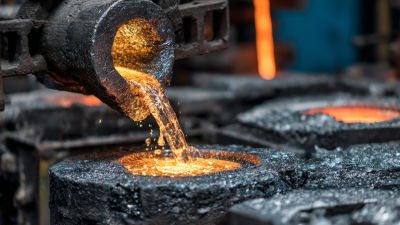
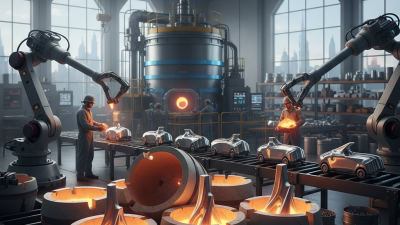
Stainless investment casting is a sophisticated process used to create complex parts with precision. This method involves creating a wax model, which is coated in a ceramic shell. After the shell hardens, the wax is melted away, leaving a detailed mold for pouring molten stainless steel. According to industry reports, stainless investment casting is gaining traction due to its ability to produce intricate components with tight tolerances.
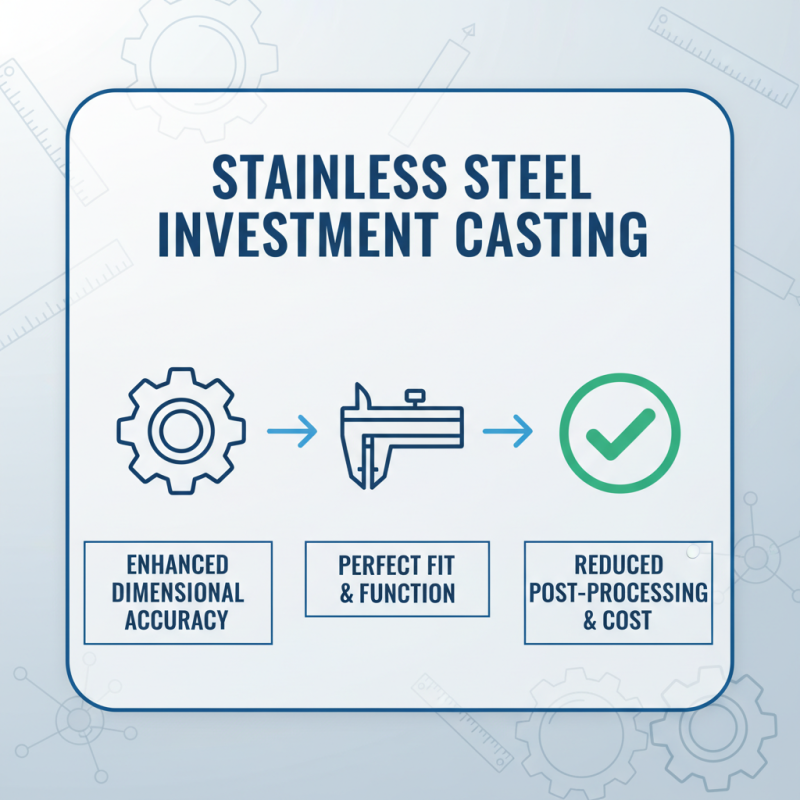
The benefits are notable. A report indicates that this method can achieve dimensional tolerances of ±0.005 inches. This precision is crucial for industries such as aerospace and biomedical. Furthermore, the reduced need for machining decreases production costs. However, not every design is suitable for this process. Some parts may face challenges in the initial stages, leading to potential errors in the finished product.
Additionally, the environmental impact of materials and processes should be considered. While stainless steel provides durability and corrosion resistance, the casting process can produce waste. Industry studies suggest that about 30% of the material may turn into scrap during production. Addressing these inefficiencies is vital for sustainable practices. Engaging in continuous improvement will help in understanding the limitations and refining the stainless investment casting process.
Improved Material Properties of Stainless Steel Components
Stainless steel components provide superior material properties, making them ideal for various applications. One significant benefit is their excellent corrosion resistance. This property ensures longevity, especially in harsh environments. Stainless steel resists rust and oxidation, which are common issues in many industries.
The strength-to-weight ratio also stands out. Components made from stainless steel are robust yet lightweight. This feature can reduce energy consumption during transportation. Additionally, they can withstand high temperatures without losing structural integrity.
Tips: Consider the specific environmental conditions when choosing materials. Stainless steel may not be the best choice in every situation. Test material properties before finalizing your selection. Assessing real-world performance can reveal unexpected challenges.
Another key aspect is the aesthetic appeal of stainless steel. Its shiny surface adds a modern touch. However, maintaining this appearance requires regular cleaning. Dust and fingerprints can detract from the visual charm. A simple cleaning routine can preserve the elegance of your stainless components.
Top 5 Benefits of Stainless Investment Casting Explained
| Benefit |
Description |
Material Properties |
| High Strength |
Stainless steel components exhibit high tensile strength, making them ideal for demanding applications. |
Tensile Strength: 500 MPa |
| Corrosion Resistance |
The alloying elements in stainless steel provide exceptional resistance to oxidation and corrosion. |
Corrosion Rate: ≤ 0.1 mm/year |
| Dimensional Accuracy |
Investment casting allows for tight tolerances and complex geometries, reducing machining needs. |
Tolerance: ±0.2 mm |
| Versatility |
Stainless steel is suitable for a wide range of applications, from automotive to aerospace. |
Melting Point: 1400°C |
| Aesthetic Appeal |
Stainless steel has a modern look and can be polished to a high gloss finish, enhancing product appearance. |
Surface Finish: 25 Ra |
Cost-Effectiveness of Stainless Investment Casting Techniques
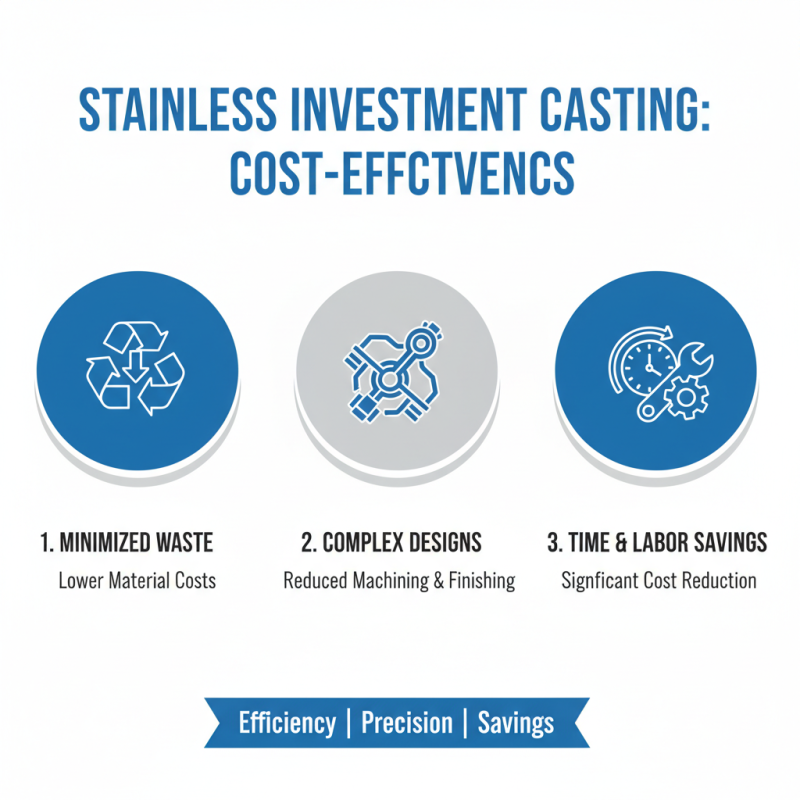
Stainless investment casting brings notable cost-effectiveness to various industries. This method minimizes waste, leading to lower material costs. Complex designs can be produced without requiring extensive machining or finishing. This not only saves time but also reduces labor costs significantly.
The precision of stainless investment casting means fewer defective parts. High-quality molds result in fewer errors. This reliability can lead to long-term savings. Yet, the initial investment in high-quality molds may be a concern, particularly for small businesses. They might hesitate, fearing upfront costs will outstrip benefits.
However, consider the reduction in scrap material and rework. These factors play a crucial role in overall savings. Investing in efficient casting techniques can eventually pay off. Some may find challenges in perfecting the casting process and achieving desired results. Continuous optimization and skill development may be necessary to overcome these hurdles.
Applications and Industries Benefiting from Stainless Investment Casting
Stainless investment casting serves diverse industries. It creates durable parts for healthcare, aerospace, and automotive sectors. Components like surgical tools, engine brackets, and exhaust manifold parts benefit greatly. These applications demand precision and reliability. Stainless steel offers corrosion resistance and strength.
In healthcare, stainless investment casting is vital. Surgical instruments crafted from stainless steel are essential for surgeries. Their durability ensures that they can endure repeated use without losing quality. In aerospace, lightweight and sturdy parts are key for aircraft safety.
Despite its advantages, the process requires careful planning. Some designs may not work perfectly in casting. Prototyping helps identify issues before production. Common challenges include maintaining dimensional accuracy and surface finish. Continuous refinement in designs can lead to better outcomes.
Top 5 Benefits of Stainless Investment Casting
Stainless investment casting offers several advantages that make it a preferred choice across various industries. This chart illustrates the top five benefits, highlighting their importance in manufacturing processes.



 +86 180 0293 5268
 CONTACT Shixin
 CONTACT Shixin
 CONTACT Shixin