
Leave Your Message

Top 10 Water Pump Casing Types You Need to Know About?

In the realm of fluid dynamics, understanding the types of water pump casing is crucial. Renowned expert Dr. John Reynolds once said, "Choosing the right water pump casing can greatly enhance system efficiency." This highlights the significance of selecting the appropriate design.

water pump casings come in various types, each with its own advantages. From volute types to diffuser casings, each is tailored for specific applications. For instance, a volute casing efficiently captures fluid flow, while a diffuser casing can reduce turbulence.

However, many people overlook the importance of these differences. Ignoring casing types can lead to inefficiencies and operational challenges. It is essential to consider the purpose and environment of the pump. Ultimately, understanding these ten water pump casing types is not just technical knowledge but a key to achieving optimal performance.
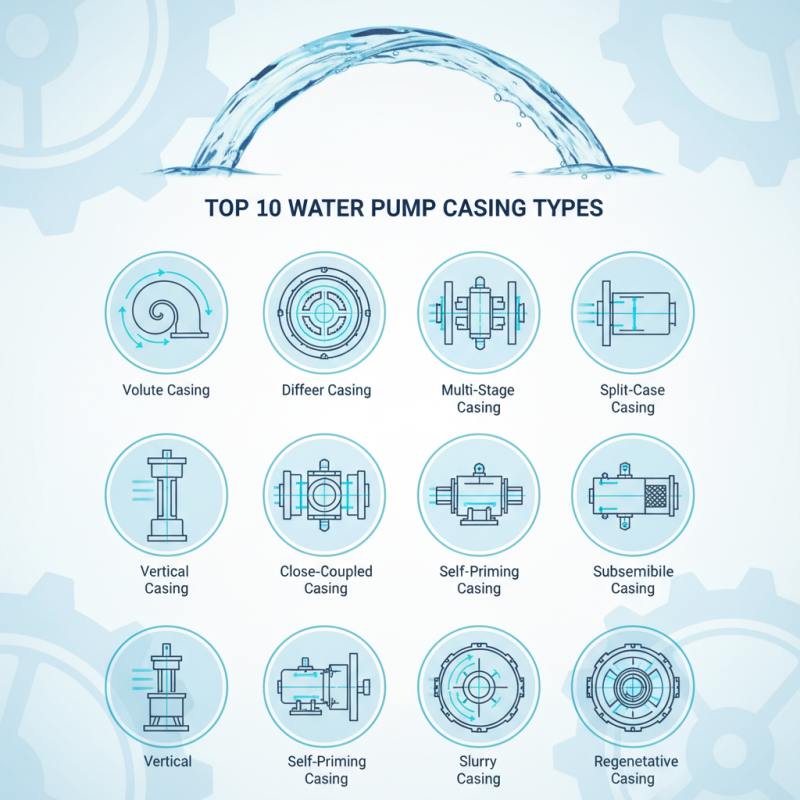
Top 10 Water Pump Casing Types You Need to Know About?

Top 10 Most Common Water Pump Casing Types and Their Applications

Water pump casings come in various types, each designed for specific applications. The most common types include centrifugal, positive displacement, and submersible casings. Centrifugal casings are widely used for moving large volumes of water. They rely on a rotating impeller to increase pressure. Positive displacement casings, on the other hand, trap a fixed amount of water and force it out. This type is useful in applications requiring high pressure.

Submersible casings are designed to operate underwater. They are often used in deep wells or sewage applications. Each casing type has its strengths. However, they also come with limitations. For instance, centrifugal pumps may struggle with high-viscosity fluids. Submersible pumps can face challenges with overheating if not properly cooled. Understanding these nuances is crucial for selecting the right casing. Application specificity often dictates which type is suitable, highlighting the importance of context in making an informed choice. Remember, each option has its ideal environment and its drawbacks.

Top 10 Water Pump Casing Types and Their Applications

Understanding Material Types in Water Pump Casings: Corrosion Resistance

Water pump casings are essential components. They protect internal parts and enhance functionality. One critical aspect is corrosion resistance. Different materials offer varying levels of protection against rust and degradation.

Stainless steel is popular for its durability. It withstands harsh conditions well. However, it’s not the only option. Cast iron is another common choice. While it’s cheaper, it may corrode if not maintained properly. Understanding these materials helps in making informed decisions.

Plastic casings are gaining attention. They are lightweight and resist corrosion effectively. Yet, they may not endure high temperatures. The entire selection process requires careful consideration. Users often overlook the long-term impacts of their choice. Assessing the environment where pumps will operate is crucial. Choosing the right material can save future costs and ensure reliability.

Comparative Analysis of Centrifugal vs. Positive Displacement Pump Casings

When it comes to water pump casings, two main types stand out: centrifugal and positive displacement. Each has unique features that cater to different industrial applications. Centrifugal pumps work by transferring energy through rotational force. Reports suggest that they excel in handling large volumes of fluids, making them suitable for irrigation and water supply systems.

Positive displacement pumps, on the other hand, trap a fixed amount of fluid and force it out. This method provides consistent flow and pressure, which is crucial for applications demanding precise measurements, like chemical processing. Data indicates that industries prefer positive displacement pumps for their efficiency with viscous fluids.

Tips: When selecting a pump casing, consider the fluid characteristics. Adjust your choice based on viscosity, density, and temperature. A slight mismatch can lead to inefficiencies.

While centrifugal pumps are more common, they may struggle with high-viscosity fluids. This limitation can lead to unexpected failures, costing time and money. Always analyze your specific needs and the limitations of each pump type. Understanding these details ensures more informed decisions in pump selection.

Top 10 Water Pump Casing Types You Need to Know About

Casing Type Pump Type Advantages Disadvantages Applications
Centrifugal Casing Centrifugal Pump High flow rate, efficient for large systems Not effective for high-viscosity fluids Water supply, irrigation
Volute Casing Centrifugal Pump Increases pressure efficiently Can be complex to design Sewage treatment, industrial pumping
Diffuser Casing Centrifugal Pump Provides high efficiency at lower flows Higher manufacturing costs HVAC systems, chemical processing
Single-Stage Casing Centrifugal Pump Simpler design, lower cost Limited to lower head applications Domestic water supply
Multi-Stage Casing Centrifugal Pump Higher pressure output More complex and expensive Booster systems, deep well pumping
Diaphragm Casing Positive Displacement Pump Excellent for high-viscosity fluids Lower flow rates Chemical dosing, food processing
Gear Casing Positive Displacement Pump Precise flow control Limited to specific fluid types Lubricants, viscous fluids
Piston Casing Positive Displacement Pump High pressure, variable flow rates More maintenance required Agriculture, industrial applications
Progressing Cavity Casing Positive Displacement Pump Handles solid-laden fluids Costly and complex Wastewater, sludge
Rotary Vane Casing Positive Displacement Pump Steady flow, low pulsation Limited shear in fluids Pharmaceuticals, cosmetics

Impact of Casing Design on Pump Efficiency and Lifespan

The design of water pump casings significantly impacts pump efficiency and lifespan. A casing with ideal hydrodynamics can minimize turbulence and pressure drops. According to a recent study, a well-optimized casing can enhance pump efficiency by over 20%. Misaligned or poorly designed casing can lead to mechanical failures. This can shorten the pump's operational life.

Consider the material of the casing. Stainless steel offers durability, but it may not always be the best choice. It might lead to corrosion if the water quality is poor. Meanwhile, plastic casings can offer resistance to certain chemicals but may not withstand high pressures.

Tips: Regularly inspect your pump casing for signs of wear. Keep an eye on vibration levels; excessive vibrations indicate potential issues. When designing or selecting a casing, factor in the specific application and environmental conditions. Each choice impacts performance, either positively or negatively. Reflect on past experiences to avoid repeating costly mistakes.

Industry Standards and Regulations Governing Water Pump Casings

When discussing water pump casings, understanding industry standards is crucial. These standards ensure safety and functionality. Various organizations set these benchmarks. They cover materials, pressure tolerances, and design specifications. Following these guidelines enhances pump reliability.

It’s essential to choose materials that comply with regulations. For instance, corrosion-resistant materials are often necessary. This requirement prevents leaks and failures. Consider the operating environment when selecting your casing type. Outdoor pumps may need additional protection from the elements.

Tip: Always verify the certifications of your water pump casing. It reflects quality and adherence to standards.

Moreover, inspect the design closely. Complex models may offer better efficiency but can be harder to maintain. Finding the right balance is important. Take time to evaluate your system needs before making a decision.

Tip: Consult with experts if unsure. Their experience can guide you in compliance and performance.

Pay attention to manufacturer instructions. They provide vital information on installation and maintenance. Ignoring these can lead to operational issues. Understanding regulations and actively engaging with them is part of responsible management.