Tips for Sourcing High Quality Stainless Steel Castings?
In the realm of manufacturing, sourcing high-quality stainless steel castings is crucial. As industry expert John Smith, a leading metallurgist, states, "Quality begins with the right selection process." This highlights the importance of understanding the nuances of stainless steel castings.
Choosing the right supplier can be challenging. Various factors play a role, including material properties, precision, and surface finish. Many manufacturers struggle to find a reliable source that meets all their specific requirements. Experience demonstrates that overlooking small details can lead to significant setbacks.
Moreover, not all stainless steel castings are created equal. Some might resist corrosion but lack strength, while others may be too brittle. Finding a balance between these factors is essential. Continuous evaluation is necessary to enhance sourcing strategies. Engaging with experts and investing in proper assessment tools can lead to improved outcomes. This proactive approach will ultimately fortify production quality and efficiency in the long term.
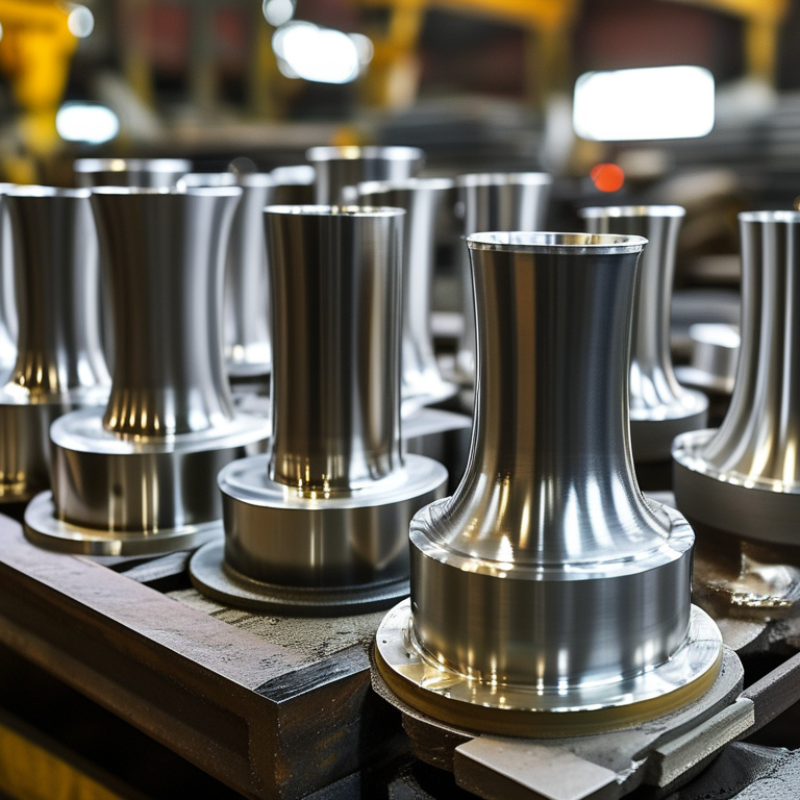
Understanding the Importance of Quality in Stainless Steel Castings
Understanding quality in stainless steel castings is crucial for various industries. High-quality castings enhance product longevity, boost performance, and reduce maintenance costs. According to a recent industry report, over 30% of mechanical failures are linked to poor casting quality. This statistic underlines the need for manufacturers to prioritize quality in their sourcing processes.
When sourcing stainless steel castings, consider evaluating the supplier's capabilities. Look for certifications such as ISO 9001, which indicate robust quality management systems. Another key factor is the choice of materials. High-grade stainless steel ensures durability and resistance to corrosion. Always request material certifications and test reports to ensure compliance with industry standards.
Tips for sourcing include building strong relationships with suppliers. Open communication can help clarify expectations and improve product quality. Regular audits can also be beneficial. They reveal potential issues early, allowing for corrective measures. Lastly, don’t hesitate to seek references from past clients. This feedback can provide insight into a supplier's reliability. Remember, consistent quality is a reflection of reliable sourcing practices.
Tips for Sourcing High Quality Stainless Steel Castings
| Criteria |
Description |
Importance |
| Material Grade |
Identify the correct stainless steel grade for your application. |
Ensures durability and corrosion resistance. |
| Supplier Certification |
Choose suppliers with ISO or relevant certifications. |
Guarantees adherence to quality standards. |
| Manufacturing Process |
Understand the casting process used by the supplier. |
Affects the physical properties of the casting. |
| Inspection and Testing |
Ask for reports on inspections and tests conducted. |
Validates the quality and reliability of products. |
| Lead Time |
Evaluate the delivery times offered by suppliers. |
Ensures timely project completion. |
| Customer Support |
Assess the level of support and communication. |
Facilitates successful collaboration and problem-solving. |
Key Factors to Consider When Sourcing Stainless Steel Castings
When sourcing high-quality stainless steel castings, several key factors play a crucial role in ensuring the best outcome. The material composition is essential. Stainless steel comes in various grades, each offering unique properties. Understanding these grades helps in selecting the right one for specific applications. Proper research on these materials will aid in better decisions.
Another critical aspect is the manufacturer's experience and expertise. A casting company with a proven track record is likely to provide superior products. Look for suppliers who demonstrate extensive industry knowledge. Their experience in handling complex projects can be invaluable. Consider asking for references to gauge their reliability and craftsmanship.
When sourcing stainless steel castings, prioritize quality assurance practices. Ensure the manufacturer follows stringent quality control measures. Check for certifications and compliance with industry standards. This provides confidence in the products and mitigates risks associated with subpar quality. Regular audits can also help in maintaining quality benchmarks throughout the production process.
Identifying Reliable Suppliers for High-Quality Castings
When sourcing high-quality stainless steel castings, identifying reliable suppliers is crucial. A recent industry report indicates that about 70% of manufacturers face challenges in obtaining consistent quality. The inconsistency often arises from supplier selection. A comprehensive assessment of potential suppliers is vital. This includes reviewing credentials, certifications, and past project performance.
Establishing long-term partnerships with suppliers can enhance quality control. Report data shows that companies investing in supplier relationships experience up to a 30% reduction in defects. Visual inspections of samples and quality assurance processes can reveal supplier reliability. Even reputable suppliers can sometimes produce subpar castings, stressing the importance of ongoing evaluations.
Communication is key in this partnership. Feedback mechanisms help address issues swiftly. Yet, misunderstandings can occur. Suppliers may not fully grasp the specifications, leading to mismatches. Regular meetings can help align expectations and reinforce quality standards. Investing time in this relationship can yield significant returns in quality castings.
Tips for Sourcing High Quality Stainless Steel Castings
Evaluating Casting Processes for Quality Assurance
When evaluating casting processes for high-quality stainless steel castings, it is essential to consider several key factors.
Start by focusing on the capabilities of the foundry. A reputable foundry should utilize advanced technologies. These may include
modern sand casting, investment casting, or die casting techniques. Each method has distinct advantages that can affect the
final product's integrity and finish.
Quality assurance begins with understanding the material. Stainless steel varies significantly depending on its composition.
Inspect the alloys used and their properties. This can influence the casting's strength, corrosion resistance, and overall durability.
Additionally, it is crucial to examine the foundry's quality control measures. Ask about their testing methods and certifications.
Non-destructive testing techniques, like ultrasonic or radiographic inspection, help verify structural integrity and identify defects.
Engaging with experienced professionals in the field can provide valuable insights. They can share practical tips on assessing castings
and recognizing potential issues. Observing the foundry's production processes firsthand might be beneficial. Not all foundries adhere to
strict quality protocols. This observation can highlight areas for improvement. It can also raise questions about consistency and reliability
in their outputs.
Tips for Quality Control During the Sourcing Process
Quality control is crucial when sourcing high-quality stainless steel castings. Start by defining clear specifications. This includes chemical composition, mechanical properties, and surface finish. Providing detailed requirements helps suppliers understand your expectations. Without clear guidelines, miscommunication can lead to defects.
During the sourcing process, it’s essential to monitor production closely. Regular inspections at different stages can uncover potential issues early. Use qualified inspectors who understand casting standards. Small issues can turn into larger problems if overlooked. Ensure that your inspectors are experienced and know what to look for.
Documentation is another key aspect of quality control. Request certificates of conformity and test reports from suppliers. Review these documents thoroughly. However, do not assume all suppliers will be transparent. Some may provide misleading information. Building a trusting relationship is difficult but necessary. Keep communication channels open and encourage honest discussions about any concerns.



 +86 180 0293 5268
 CONTACT Shixin
 CONTACT Shixin
 CONTACT Shixin