Investment Casting Metals Tips for Optimal Choices and Techniques?
Investment casting is a vital process in the manufacturing industry, often responsible for precision components. Choosing the right Investment Casting Metals is crucial for product quality and performance. According to a recent industry report by Research and Markets, the global investment casting market is expected to reach $22.9 billion by 2025, growing at a CAGR of 5.4%. This growth highlights the importance of material selection in sustaining quality and competitiveness.
John Smith, a noted expert in investment casting, emphasizes, “The choice of metal directly influences the casting’s mechanical properties and overall success.” Selecting the right alloys can optimize strength, corrosion resistance, and durability. However, some manufacturers struggle with balancing cost and performance. Often, cheaper metals may tempt cost-conscious choices, leading to a compromise in quality.
There’s a thin line between cost savings and delivering reliable products. It's essential to reflect on making informed decisions when selecting Investment Casting Metals. Proper research and consultation can lead to better outcomes, minimizing the likelihood of failures or defects. As the industry evolves, embracing best practices remains integral to mastering this intricate process.
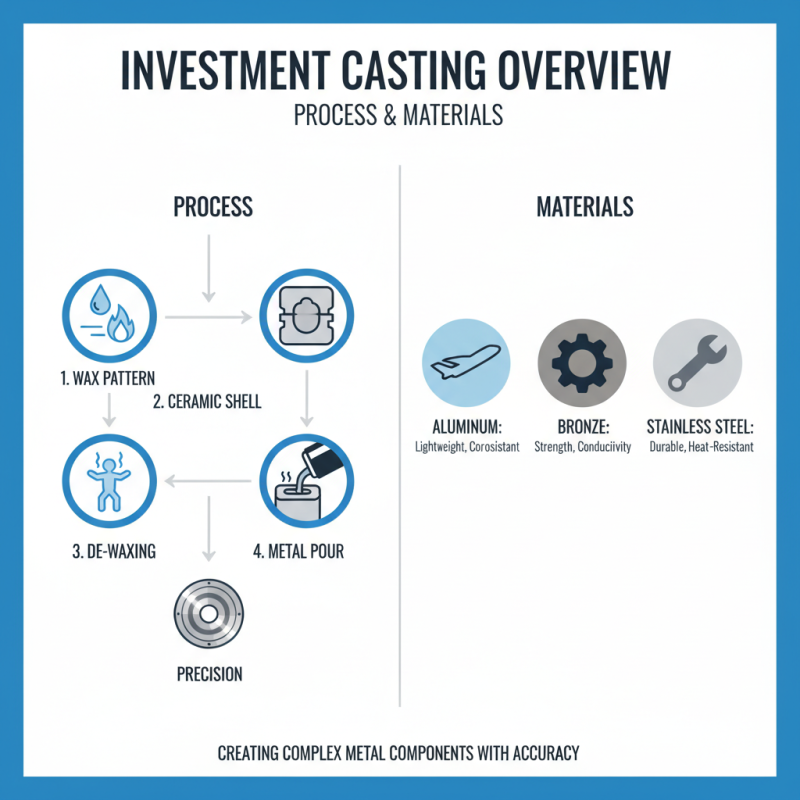
Investment Casting Overview: Understanding the Process and Materials
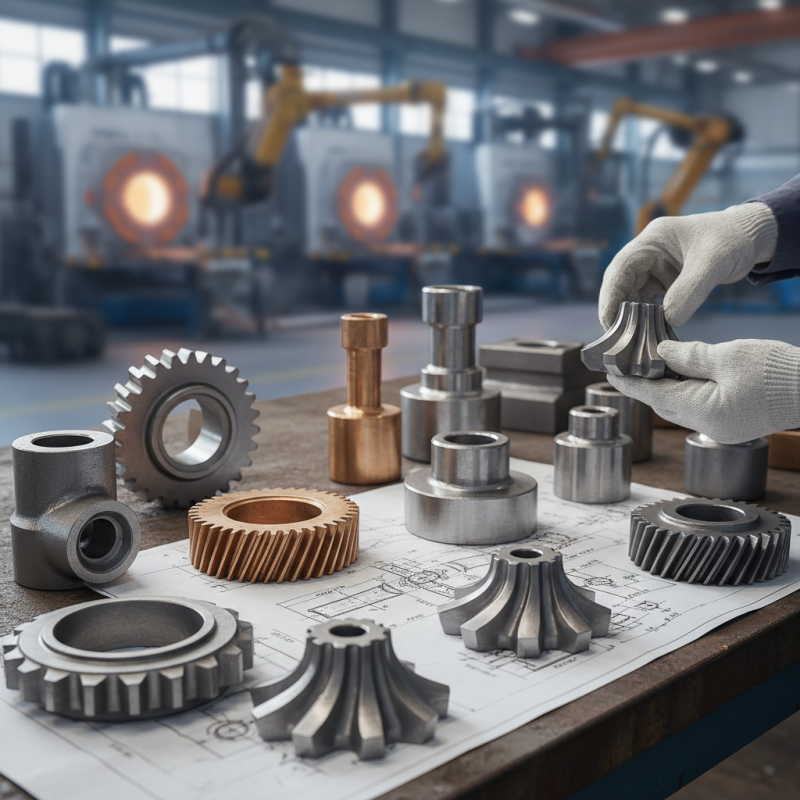
Investment casting is a refined process that creates precise metal components. It involves pouring molten metal into a mold made from a wax pattern. The wax is then melted away, leaving a cavity for metal. This approach is renowned for its accuracy. Common materials include aluminum, bronze, and stainless steel. Each offers unique benefits for different applications.
When selecting metals for investment casting, consider the final use of the part. For strength, stainless steel is ideal. For lighter components, aluminum might be preferred. However, not every metal will yield the desired finish or strength. Trial and error can lead to unexpected results.
Tips: Always analyze the metal’s compatibility with your design. Test different alloys to see how they perform. Sometimes, a less popular choice can outperform conventional options. The nuances of the metal can greatly influence the final product, so be prepared for some adjustments during the casting process. It’s essential to keep a flexible mindset while experimenting.
Common Metals Used in Investment Casting and Their Properties
Investment casting utilizes various metals, each with unique properties. Commonly used metals include
aluminum,
steel, and
nickel alloys.
Aluminum is lightweight and strong. It offers good corrosion resistance. Its melting point is relatively low, making it suitable for intricate designs.
Steel is favored for its strength and durability. It can withstand high temperatures and stress. However, it may require additional processing.
Nickel alloys are excellent for high-temperature environments. They resist oxidation and corrosion well. These metals can be costly due to their specifications.
Tips:
Choose aluminum for lighter components. Steel is ideal for load-bearing applications. Nickel alloys work best in extreme conditions.
The choice of metal directly influences the casting’s performance and longevity. Consider not just the cost, but also the application requirements.
Achieving the right balance is tricky. Each metal has its pros and cons. For instance, while some require less finishing, others may need more.
Investing time in selecting the appropriate metal pays off later. Don't rush through the decision-making process. Each project demands careful consideration of material properties.
Factors Influencing Metal Selection for Investment Casting Applications
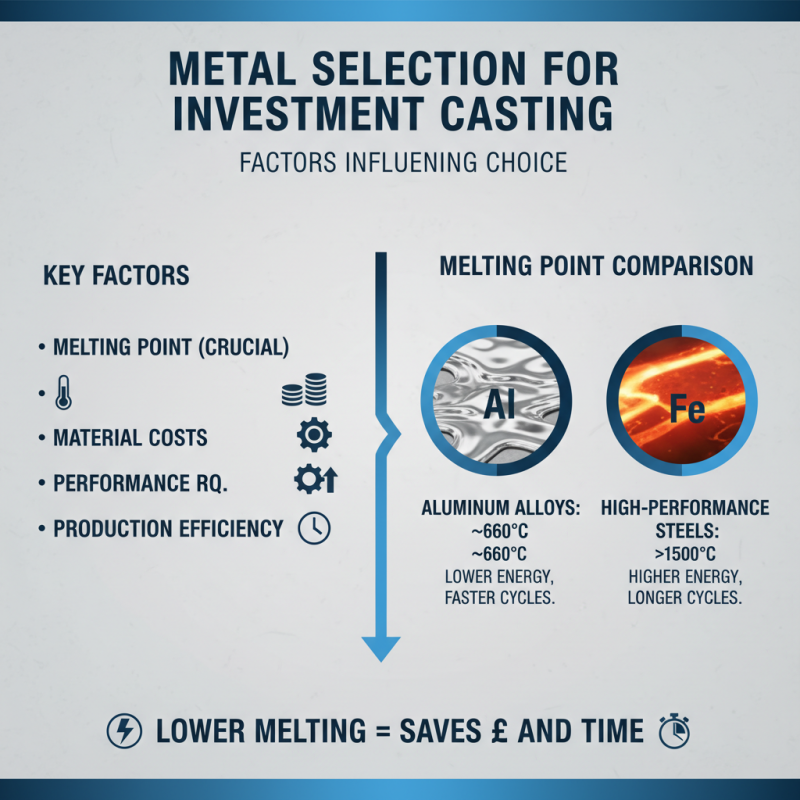
When selecting metals for investment casting, several factors come into play. The metal’s melting point is crucial. For instance, aluminum and its alloys are popular due to their relatively low melting points, around 660°C. In contrast, high-performance steels can exceed 1500°C. This difference impacts energy costs and production efficiency. Every degree saved on melting can save materials and time in the long run.
The application of the final product also influences metal choice. If a part needs to endure high stress, titanium is a strong candidate. It offers outstanding strength-to-weight ratios. Reports indicate that the aerospace sector extensively uses titanium for its parts. However, it comes with challenges. Titanium has more complex tooling and higher costs, which can deter some manufacturers.
Lastly, surface finish and detail are vital. Certain metals like bronze offer excellent casting detail, making them ideal for intricate designs. However, achieving a smooth finish often requires additional work. This can extend timelines and increase costs. Many firms underestimate this factor when planning their projects, leading to frustrations. Careful consideration is essential when balancing performance, cost, and detail in investment casting.
Techniques to Optimize Casting Quality and Minimize Defects
Investment casting can yield excellent results when executed with precision. Employing proper techniques is essential to optimize quality and minimize defects. Research indicates that over 30% of defects in investment casting arise from improper metal selection and processing conditions. Selecting the right alloy can drastically improve casting integrity.
To achieve optimal results, pay attention to mold design. Thin sections may cool too rapidly, leading to solidification defects. Conversely, excessively thick sections can cause shrinkage. Maintain consistency in wall thickness where possible. Additionally, utilize the concept of 'hot spots' in your mold design. They help manage cooling rates effectively.
Another key consideration is the pouring temperature of the metal. Pouring too hot can lead to excessive oxidation and inclusions. Adequate temperature control is vital. Regular calibration of pouring equipment can significantly reduce human error.
Tip: Monitor environmental conditions during casting. Humidity and temperature fluctuations can adversely affect the material properties. Conduct regular audits to identify potential areas of improvement in your process for better outcomes. Remember, each casting is unique. Reflection on previous projects can guide future decisions.
Investment Casting Metals Tips for Optimal Choices and Techniques
| Metal Type |
Melting Point (°C) |
Advantages |
Common Applications |
| Stainless Steel |
1400 - 1450 |
Corrosion resistance, high strength |
Marine, automotive, food processing |
| Aluminum |
660 - 670 |
Lightweight, good corrosion resistance |
Aerospace, automotive, consumer goods |
| Titanium |
1660 |
High strength-to-weight ratio, excellent corrosion resistance |
Medical implants, aerospace, military |
| Bronze |
950 - 1050 |
Good wear resistance, low friction |
Marine applications, pump components |
| Nickel Alloy |
1300 - 1400 |
High temperature resistance, fatigue strength |
Aerospace, chemical processing |
Future Trends in Investment Casting Metals and Innovations in Techniques
The future of investment casting metals is poised for exciting changes. Innovations in techniques promise to enhance efficiency and precision. New alloys are being developed, offering better strength-to-weight ratios. This shift can lead to lighter components with improved performance. As industries seek to optimize their processes, understanding these advances becomes crucial.
Tips for selecting the right materials include assessing the specific requirements of your project. Each metal has unique properties that can impact the final product. Evaluate corrosion resistance and thermal properties before making decisions. Experimentation is also key. Testing various alloys can reveal unexpected benefits. Real-world trials often yield insights that theoretical models cannot predict.
Techniques in investment casting are evolving too. Advanced 3D printing technology is being integrated, allowing for more complex designs. This approach can reduce material waste and lead times. However, industries must remain cautious. Rapid advancements can sometimes outpace regulatory updates, leading to unanticipated challenges. Continuous learning and adaptation are essential for success in this dynamic landscape.
Investment Casting Metals: A Comparison of Usage by Industry



 +86 180 0293 5268
 CONTACT Shixin
 CONTACT Shixin
 CONTACT Shixin