Hollow Bit Tips for Best Drilling Results and Techniques?
When drilling, the choice of tools can significantly impact results. Hollow Bit is a popular option among professionals. These bits allow for efficient material removal. They create clean holes with precise depths. However, using them isn't foolproof. Several factors affect their performance and durability.
Understanding the right techniques is essential for achieving optimal results. Hollow Bits require specific speeds and feeds. Too much pressure can lead to breakage. The right rotation speed is also crucial. Low speeds can cause materials to bind unexpectedly. On the other hand, too high speeds may cause overheating. Such reactions lead to frustrating setbacks.
Another point to consider is the material being drilled. Different materials yield varying results with Hollow Bits. Woods, metals, and composites react uniquely. It's important to reflect on the suitability of your bit for each project. Lastly, practice will improve outcomes. Don't rush the learning process. Experimentation often leads to invaluable insights. A good drill requires patience and persistence.
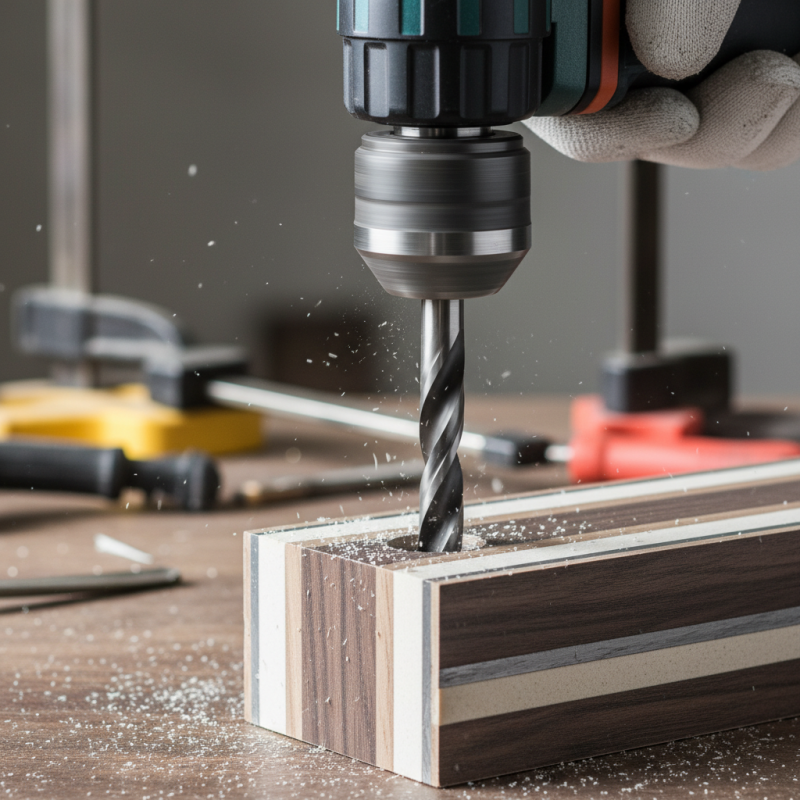
Understanding Hollow Bit Types and Their Applications
Hollow bits are specialized tools used primarily for drilling. They come in various types, each designed for specific applications. Understanding these types can greatly enhance drilling results. For example, some hollow bits are perfect for creating clean holes in wood, while others excel in masonry. Their unique design allows for efficient material removal.
In practical use, a hollow bit can struggle with dense materials. Sometimes, the bit may become clogged, leading to frustrating delays. This requires careful monitoring of your technique and the speed of drilling. Adequate cooling and lubrication are essential in this process. If there's too much pressure, it can lead to uneven boreholes.
Different hollow bits also vary in their cutting edges. Some may be tapered for precision, while others are flat for aggressive cutting. Choosing the right one isn’t always straightforward. It often requires trial and error. Discovering which bit works best for your specific task can save time and improve accuracy. Adjusting your approach based on previous experiences can lead to better outcomes.
Key Features of Hollow Bits for Effective Drilling
Hollow bits have unique features that enhance drilling efficiency. The design allows for faster chip removal, which is crucial for maintaining a clean hole. Reports indicate a 30% increase in drilling speed when using hollow bits compared to traditional types. This is essential in time-sensitive projects, especially in construction and manufacturing.
When selecting hollow bits, consider the material they are made from. High-speed steel is popular for its durability and resistance to heat. However, carbide-tipped hollow bits offer superior performance in harder materials. Understanding your project requirements will guide your material choice.
Here are some quick tips:
1. Always match the bit size to the hole requirement.
2. Maintain a consistent drilling speed to avoid overheating.
3. Regularly inspect bits for wear.
Improper use can lead to subpar results. For instance, using an incorrect size can create friction and slow down your work. Take the time to choose the right tool. A small mistake can lead to bigger issues later on. Each project is a chance to refine your technique. Learn from past mistakes to enhance future drilling outcomes.
Hollow Bit Tips for Best Drilling Results and Techniques
| Feature | Description | Benefit |
| Material Type | High-speed steel (HSS) or carbide | Durability and heat resistance for longer bit life |
| Bit Size | Variety of diameters available | Provides versatility for different application needs |
| Flute Design | Helical or straight | Improved chip removal and cutting efficiency |
| Coating | Titanium or nitride coatings | Reduces friction and enhances lifespan |
| Bit Length | Standard and extended lengths available | Allows for deeper drilling applications |
| Cooling Capacity | Internal cooling channels | Prevents overheating for stable drilling |
Techniques for Maximizing Drilling Efficiency with Hollow Bits
When drilling with hollow bits, efficiency is key. According to industry reports, optimal drilling speed can enhance productivity by up to 30%. Choosing the right type of hollow bit for your material is crucial. For example, softer materials require less aggressive bits, while harder substrates need sturdier designs. Always check the compatibility with your drill.
Tips: Maintain steady pressure during drilling for better results. Too much force can lead to premature wear. Keep the bit cool with water or lubricants to avoid overheating. Monitoring the bit's condition throughout the process helps prevent unexpected failures.
Adjusting your technique is essential. Drilling at a consistent angle improves accuracy. Experts suggest a 90-degree angle for most applications. However, some projects may require varied angles. Testing on scrap material can save time and frustration later. Remember to clean the bit frequently to prevent material buildup. This simple step can double the life of your hollow bit.
Common Challenges and Solutions in Hollow Bit Drilling
Hollow bit drilling offers unique benefits but can present various challenges. One common issue is clogging. When drilling through material, debris can obstruct the bit. This makes it harder to achieve a clean hole. Regularly pausing to clear debris helps maintain efficiency. Often, water or air is used to flush out the area. This method is crucial, especially in dense materials.
Another challenge is maintaining precise depths. Drilling too deep can cause complications, like damage to the workpiece. Using depth stops can mitigate this risk. However, it's essential to adjust your technique based on the material type. Softer materials may require less pressure, while harder ones need more. It’s a balancing act that demands attention to detail.
Lastly, ensuring proper alignment can be tricky. Misalignment can lead to uneven holes. Marking guidelines on your workpiece can help maintain accuracy. While these tips are helpful, don't be surprised if you face setbacks. Every drilling project is a learning opportunity. Take time to evaluate and refine your technique for better results.
Hollow Bit Drilling Performance Analysis
Maintenance Tips for Longevity of Hollow Bits
Maintaining hollow bits is crucial for achieving optimal drilling performance. Proper care extends the tool's life and ensures efficiency. After each use, clean the bits thoroughly. Remove any debris or buildup that could affect the next drilling task. Regularly inspect the bits for signs of wear. Keeping an eye on wear patterns can help identify issues before they become severe.
Lubrication is essential, too. It reduces friction and heat buildup during operations. Just a little oil can go a long way. However, it's important to apply the right amount. Too much can cause slippage; too little can lead to burnout. Finding the balance may take some trial and error.
Storing hollow bits correctly also impacts longevity. Use a protective case to avoid damage. Keep them dry to prevent rust. Unnoticed rust can ruin the cutting edges, leading to frustrating performance during drilling. Remember, neglecting even small details could cost you later. Keeping a schedule for maintenance could be more beneficial than you think.



 +86 180 0293 5268
 CONTACT Shixin
 CONTACT Shixin
 CONTACT Shixin