Top High Tech Investment Casting Solutions for Global Buyers?
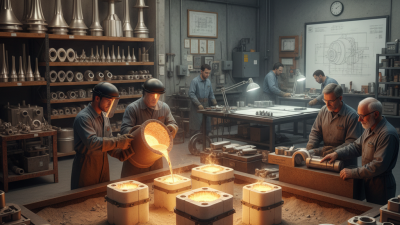
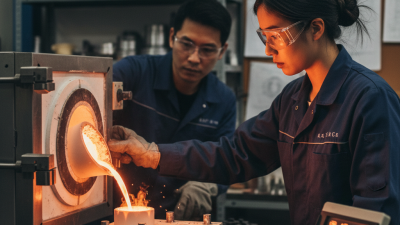
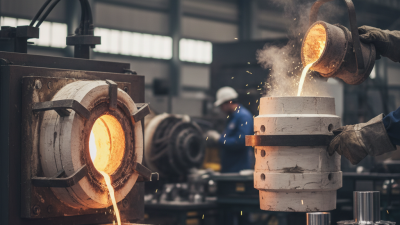
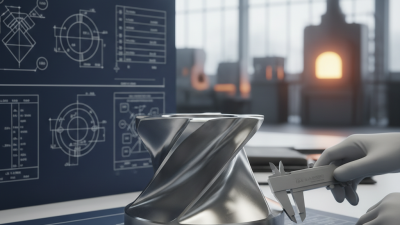
In today’s competitive landscape, High Tech Investment Casting emerges as a pivotal solution for global buyers. This advanced manufacturing process allows for precision and efficiency in producing complex metal parts. Industries such as aerospace, automotive, and medical are increasingly relying on these casting techniques.
Buyers seek reliable partners who understand the intricacies of High Tech Investment Casting. The right supplier not only provides quality products but also demonstrates expertise in material selection and design optimization. These factors significantly impact production costs and lead times.
However, challenges persist. Not all manufacturers can deliver consistent results. A lack of experience may lead to suboptimal casting outcomes. Therefore, buyers must demand thorough qualifications and track records from potential suppliers. This ensures a partnership that not only meets but exceeds expectations in the High Tech Investment Casting realm.
Top Global Trends in High Tech Investment Casting Solutions
The investment casting industry is witnessing transformative trends driven by advanced technologies. As per a recent market analysis by Smithers, the global investment casting market is projected to reach $18.5 billion by 2026. This growth emphasizes the increasing demand for precision-engineered components across various sectors, including aerospace, automotive, and medical industries.
A notable trend is the integration of 3D printing technologies. This hybrid approach allows for more complex geometries and reduces lead times, offering manufacturers a competitive edge. Furthermore, the application of artificial intelligence aids in optimizing the casting process. It enhances quality control and reduces waste, addressing both efficiency and sustainability concerns.
Despite these advancements, challenges remain. Many manufacturers struggle to adopt new technologies due to high initial costs and a lack of skilled personnel. The industry must also address the variability in material properties that can arise from varying casting techniques. Continuous investment in research and training will be crucial to overcome these hurdles and fully leverage emerging technologies.
Key Benefits of High Tech Investment Casting for Industries
High tech investment casting offers numerous benefits for various industries. This method enables the production of complex shapes with high precision, allowing manufacturers to meet stringent design specifications. According to a report by MarketsandMarkets, the investment casting market is projected to reach $20.4 billion by 2025, reflecting its increasing adoption across sectors.
One key advantage of this technique is its ability to minimize waste. Traditional manufacturing often results in significant material waste. In contrast, investment casting can achieve up to 95% material utilization. This results not only in cost savings but also promotes sustainability in manufacturing processes. Companies are under pressure to adopt greener practices, and investment casting aligns well with these goals.
However, challenges remain. The initial setup costs for high tech investment casting can be substantial. This investment often deters smaller firms from adopting the technique. Additionally, the complexity of certain designs may lead to longer lead times, causing frustration in fast-paced production environments. Industries must weigh these factors against the long-term benefits offered.
Comparative Analysis of Investment Casting Technologies and Techniques
Investment casting is an essential manufacturing process with notable advancements over recent years. Global market data indicates that the investment casting sector is projected to reach USD 24 billion by 2026, driven by technological integration. Several techniques are emerging, enhancing precision and material efficiency. Notably, the use of ceramic molds is being refined, yielding smoother surface finishes. However, the cost of these molds may hinder accessibility for smaller manufacturers.
Analysis of technologies showcases 3D printing as a game changer. This method allows for rapid prototyping, significantly reducing lead times. Companies utilizing 3D printing in casting are witnessing up to a 30% reduction in material waste. On the downside, the initial setup costs can be high, which may deter smaller firms from adopting this innovation. Another emerging technology is the investment casting of metals with higher melting points, which poses significant challenges in process control.
Moreover, the shift towards digital monitoring during casting processes promises improved quality control. Studies suggest that real-time data analysis can enhance defect detection rates by 40%. However, reliance on technology raises concerns about potential knowledge gaps within the workforce. Balancing innovation with traditional skills is crucial for long-term sustainability in the sector.
Market Demand and Growth Projections for Investment Casting Solutions
Investment casting has seen significant growth recently. Global demand for high-quality, precision-engineered parts drives this trend. This process is ideal for producing complex shapes. Industries such as aerospace, automotive, and energy lead the demand. As businesses seek to reduce costs, investment casting offers efficient solutions.
The technology continues to advance, enabling higher production rates. Innovative materials improve the strength and durability of castings. However, challenges exist. Some manufacturers struggle with quality control and production consistency. Businesses need to focus on refining processes to overcome these hurdles.
Tips for success include investing in skilled workers. Training and development can enhance operational excellence. Another tip is to prioritize supplier relationships. Strong partnerships ensure reliable sourcing of materials. Keeping an eye on market trends can help companies adapt. A proactive approach leads to sustained growth in a competitive landscape.
Leading Suppliers and Innovative Products in the Investment Casting Sector
Investment casting is an essential method for precision manufacturing. It offers unique advantages in producing complex shapes with high accuracy. The market is thriving with innovative suppliers developing cutting-edge technology. These advancements enhance efficiency, reduce waste, and improve product quality.
Key players in the sector focus on materials and processes that advance sustainability. Some suppliers are experimenting with eco-friendly alloys. Others are optimizing their casting processes to minimize energy consumption. While progress is evident, challenges remain in achieving uniform quality across batches. Continuous learning and adaptation are critical for success.
Collaboration between suppliers and end-users fosters innovation. Developers seek feedback to refine their products. This approach encourages balanced solutions, addressing the diverse needs of different industries. Simplifying procedures while maintaining quality can be complex but essential for growth. Engaging with multiple stakeholders often leads to unexpected insights.
Top High Tech Investment Casting Solutions for Global Buyers
| Product Type |
Material Used |
Application Industries |
Technology Used |
Lead Time (Weeks) |
Certification |
| Automotive Components |
Aluminum Alloy |
Automotive |
3D Printing |
6 |
ISO 9001 |
| Marine Components |
Bronze |
Marine |
Lost Wax Casting |
8 |
CE |
| Industrial Equipment |
Carbon Steel |
Industrial |
CNC Machining |
5 |
API |
| Aerospace Parts |
Titanium |
Aerospace |
Vacuum Investment Casting |
12 |
AS9100 |



 +86 180 0293 5268
 CONTACT Shixin
 CONTACT Shixin
 CONTACT Shixin