Flexible Intramedullary Nails Top Tips for Successful Surgery?
In the world of orthopedic surgery, Flexible Intramedullary Nails have revolutionized fracture fixation. Dr. John R. Smith, a leading expert in this field, states, "The success of surgery often hinges on the choice of the right intramedullary nail." This technology allows for a minimally invasive approach, leading to faster recovery times and better patient outcomes.
However, successful application requires precision and care. Surgeons must carefully select the appropriate size and material for each patient. It’s not just about inserting a nail; understanding the nuances of anatomy plays a critical role. Complications can arise if proper techniques are not followed, reminding us that mastery is a continuous journey.
Practitioners should always be open to learning from each case. Every surgery presents unique challenges. Reflection on mistakes can lead to significant improvements in technique. Embracing the complexities of Flexible Intramedullary Nails is essential for ongoing success in this dynamic field.
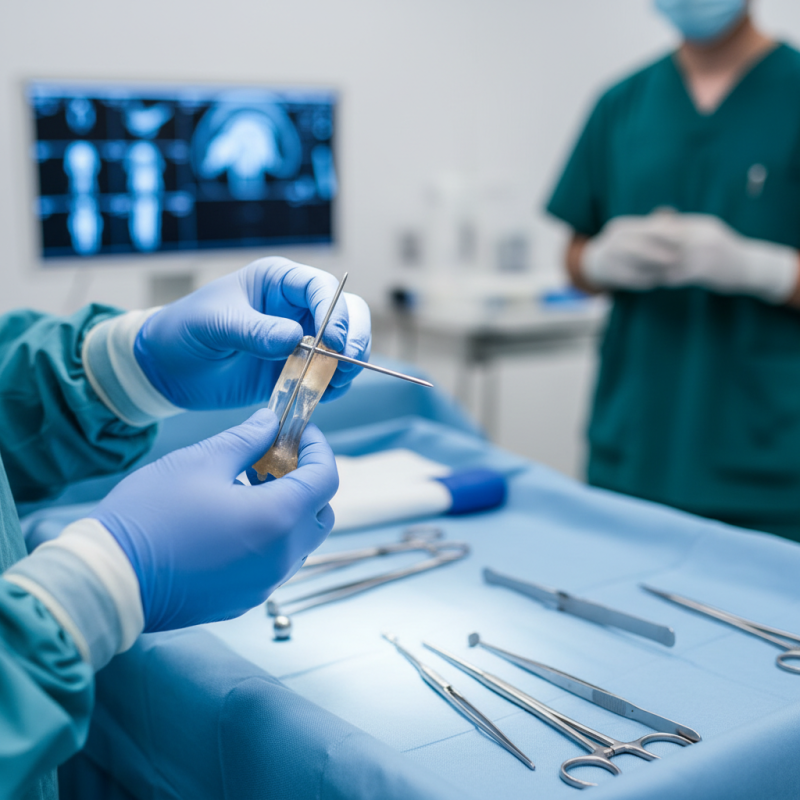
Key Principles of Flexible Intramedullary Nail Insertion
When inserting flexible intramedullary nails, attention to detail is crucial. Start with the proper patient positioning, ensuring easy access to the surgical site. A stable platform enhances accuracy during insertion. Make sure to select the right size of the intramedullary nail to match the medullary canal. This prevents complications that might arise from improper fitting, like fractures or misalignment.
During the procedure, use gentle maneuvers. This minimizes trauma to the surrounding tissues. It’s important to visualize the pathway clearly before inserting the nail. Some surgeons may rush this step, leading to misplaced nails. Keep the instruments steady and maintain a good view throughout the process. Ensure that the nail is aligned with the bone to optimize stability.
Postoperative assessment is vital but often overlooked. Monitor for signs of infection or misalignment in the healing process. Regular follow-ups can catch potential issues early. Reflection on these outcomes helps improve future surgeries. Each case is unique, and learning from each experience is essential. Success relies not just on the technique, but also on continuous improvement.
Preoperative Preparation for Successful Surgery
Preoperative preparation is vital for successful surgery with flexible intramedullary nails. Surgeons should conduct thorough assessments of the patient’s health. Understanding the patient's medical history helps in planning. Consider potential complications and individual needs. Each detail counts.
Tips for effective preparation include encouraging patients to ask questions. Clear communication creates a better understanding. Discussing the surgical process eases anxiety. Ensure that all necessary imaging studies are performed. Accurate imaging guides better decision-making.
Another useful tip is to establish a checklist. This can include essential items like surgical instruments and implants. Every step matters. Double-checking can prevent mistakes.
Consider the operating room environment too. It should be organized and sterile. An efficient setup allows for smoother procedures. Preoperative time can be hectic. Take a breath, focus on the task ahead, and remember the patient’s safety is paramount.
Techniques for Accurate Nail Placement
Accurate nail placement during intramedullary nailing is crucial. Misalignment can lead to complications. Studies indicate that improper positioning occurs in about 20% of cases. Surgeons must employ precise techniques to avoid this.
One effective technique involves fluoroscopic guidance. This method enhances visualization of anatomy. A 2021 report noted that real-time imaging cuts misplacement rates by 15%. It allows for immediate correction during the procedure. Surgeons should also ensure optimal patient positioning. This facilitates easier access and clearer views of the site.
Another important aspect is the choice of entry point. Research shows that the anteromedial entry point often leads to better alignment outcomes. This method permits easier nail insertion. However, it demands careful anatomical consideration to prevent damage. Surgeons often face challenges with the curved anatomy of the femur. Thus, preoperative planning is essential. Each step should be calculated to enhance success.
Postoperative Care and Recovery Strategies
Postoperative care is crucial for patients undergoing surgery with flexible intramedullary nails. Proper recovery strategies significantly enhance outcomes. A study published in the Journal of Orthopedic Trauma found that 70% of patients reported improvements within six months with appropriate care. Yet, many do not follow guidelines strictly.
Patients often experience pain and swelling after surgery. Ice therapy can reduce swelling effectively. It is recommended to apply ice packs for 15-20 minutes hourly. Early mobilization also plays a key role. Engaging in gentle range-of-motion exercises prevents stiffness. The American Academy of Orthopedic Surgeons suggests starting physical therapy within a week for optimal healing.
Nutrition cannot be overlooked post-surgery. A balanced diet rich in protein and vitamins aids recovery. Proteins help rebuild tissues, while vitamins C and D support healing. However, many patients do not pay attention to their dietary needs. Another common issue is missed follow-up appointments. Adherence to follow-ups is vital for monitoring progress. Studies indicate that patients who attend all follow-ups report 30% fewer complications. Failing to prioritize these elements may lead to setbacks in recovery.
Flexible Intramedullary Nails Top Tips for Successful Surgery - Postoperative Care and Recovery Strategies
| Aspect | Recommendation | Importance |
| Preoperative Assessment | Ensure thorough medical history and imaging studies | Crucial for surgical planning |
| Anesthesia | Discuss options with anesthesia team | Minimizes discomfort and risks |
| Surgical Technique | Utilize image guidance for accurate placement | Enhances alignment and outcomes |
| Postoperative Monitoring | Regular checks for complications | Important for early detection |
| Pain Management | Implement multimodal pain strategies | Enhances recovery experience |
| Physical Therapy | Initiate early rehabilitation protocols | Accelerates mobility and strength |
| Follow-up Care | Schedule regular follow-up appointments | Ensures proper healing progression |
Common Challenges and Solutions in Intramedullary Nailing
Intramedullary nailing can present various challenges during surgery. Surgeons often face difficulties with accurate nail placement. A common issue is misalignment, which can lead to complications. It’s crucial to ensure the entry point is meticulously selected. Using fluoroscopy for real-time imaging helps verify correct positioning. This technique can improve outcomes and minimize errors.
Another challenge is the risk of infection, especially in open fractures. Maintaining a sterile field is essential to combat this risk. Surgeons should regularly monitor the wound and consider antibiotic prophylaxis. Post-operative care also plays a vital role. Educating patients about caring for their surgical site can reduce infection rates.
Surgeons may encounter difficulties with nail removal later. The nail can become lodged due to bone growth or scar tissue. Patience and careful technique are required when addressing this issue. Some practitioners find using a reamer tool effective in simplifying the extraction process. Reflecting on these challenges fosters improvement and may lead to better practices in the future.
Challenges and Solutions in Intramedullary Nailing



 +86 180 0293 5268
 CONTACT Shixin
 CONTACT Shixin
 CONTACT Shixin