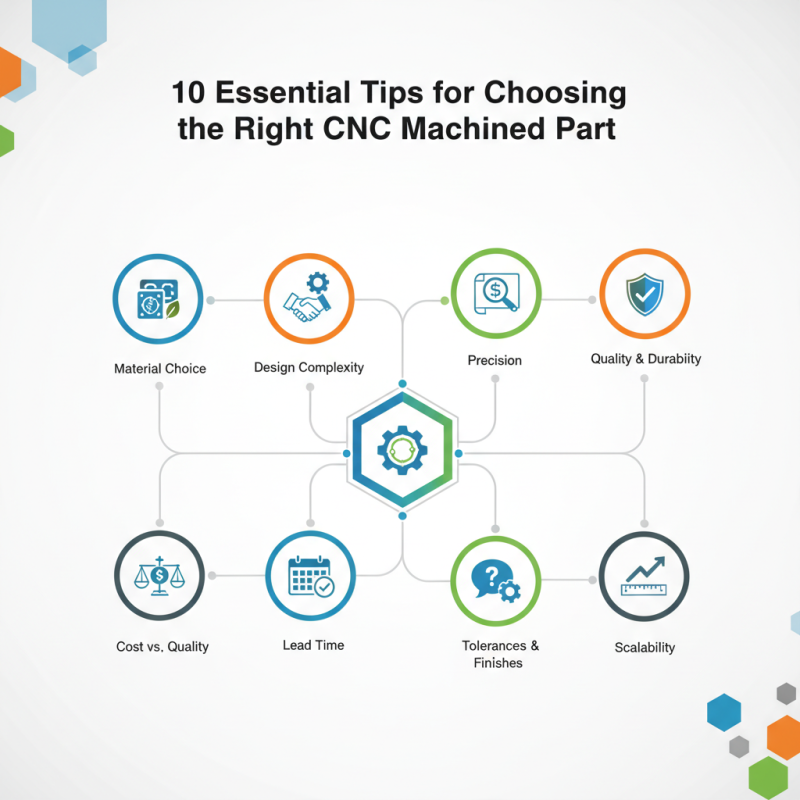
10 Essential Tips for Choosing the Right CNC Machined Part?
Choosing the right CNC machined part can be a daunting task. The precision of your project often hinges on this decision. Attention to detail is critical. Each part must align with your specific needs. Quality and durability play significant roles in the decision-making process.
Many factors influence the selection of a CNC machined part. For instance, material choice affects performance and lifespan. The design complexity may also impact functionality. Don't overlook the importance of supplier expertise. Are they reliable? Do they understand your requirements?
Reflect on your project's priorities. Cost is essential, but not the only consideration. Sometimes, opting for a slightly more expensive part leads to better results. Each choice should balance quality and budget. Ultimately, finding the perfect CNC machined part requires careful thought and research.
Understanding CNC Machining and Its Applications in Manufacturing
CNC machining is a pivotal technology in modern manufacturing. It involves computer-controlled tools to create parts from various materials. Often utilized in industries like aerospace and automotive, CNC machining ensures precision and efficiency. Understanding its applications helps manufacturers choose the right components for their projects.
When selecting CNC machined parts, consider material types and their properties. For instance, aluminum offers lightweight strength, while steel provides durability. Evaluate your project needs carefully. This choice impacts the final product’s performance.
Another vital tip is to assess the tolerances needed for your design. Tight tolerances may require advanced CNC techniques. This can increase costs and production time. Balancing quality and expense is crucial. Also, always consult with a CNC expert for guidance. Their insights can help streamline your decision-making process and enhance product outcomes.
Key Factors to Consider When Selecting CNC Machined Parts
Choosing the right CNC machined parts involves several key factors that can significantly influence the success of your project. Material selection is crucial. Each material has unique properties that affect durability, weight, and machinability. For instance, aluminum is lightweight and resistant to corrosion, while steel offers strength but can be heavier. Understanding your project requirements will guide this decision.
Precision and tolerance are also vital. CNC machining allows for tight tolerances, which means parts can fit together perfectly. However, achieving this requires understanding the capabilities of the machine and the skill of the operator. Always clarify these specifications with your manufacturer to avoid any misunderstandings.
Another factor is the surface finish. Different applications may require varying surface treatments. A rough finish might be acceptable for internal components, but external parts often need a polished surface for aesthetic and functional reasons. Reflect on your design to determine the appropriate finish. Weighing these factors carefully will help ensure you select the best CNC machined parts for your needs.
10 Essential Tips for Choosing the Right CNC Machined Part
Material Selection: Choosing the Right Material for Your CNC Parts
Choosing the right material for CNC machined parts is crucial. Each material has unique properties that influence performance. Metal, plastic, and composite materials are common choices. Selecting a material requires careful consideration of factors such as strength, weight, and corrosion resistance.
For example, aluminum is lightweight yet strong, making it ideal for aerospace applications. Steel, on the other hand, offers high tensile strength but adds weight. Plastics can be cost-effective for prototyping, but often lack the durability needed for final products.
Understanding these characteristics helps in making a more informed decision. Sometimes, it might even mean reconsidering initial choices. Testing prototypes with different materials can reveal unexpected issues. Questions about heat resistance or machining capabilities might arise. It’s essential to reflect on these aspects to ensure the material aligns with the intended application.
Precision and Tolerance: Importance in CNC Machined Components
When selecting CNC machined parts, precision and tolerance are key factors. Precision refers to the exactness of the part dimensions. Even a small deviation can lead to significant issues in assembly or function. A part that looks perfect can still be problematic if it doesn’t fit correctly. Understanding the acceptable tolerance for your application is vital. Tighter tolerances might ensure better performance but may also increase costs.
The importance of tolerance cannot be overstated. It defines how much variation is allowed from the desired dimension. Some projects may allow for looser tolerances, while others demand tight specifications. It is crucial to communicate these requirements clearly to your machining partner. Otherwise, miscommunication can lead to parts that do not meet your needs. This could waste valuable resources and time.
Choosing the right material also affects precision and tolerance. Different materials respond uniquely during the machining process. Some might expand or contract with temperature changes, affecting overall accuracy. Reflecting on the project’s specifications and expected usage can help guide material selection. Each aspect of the choice impacts the end product's performance and reliability.
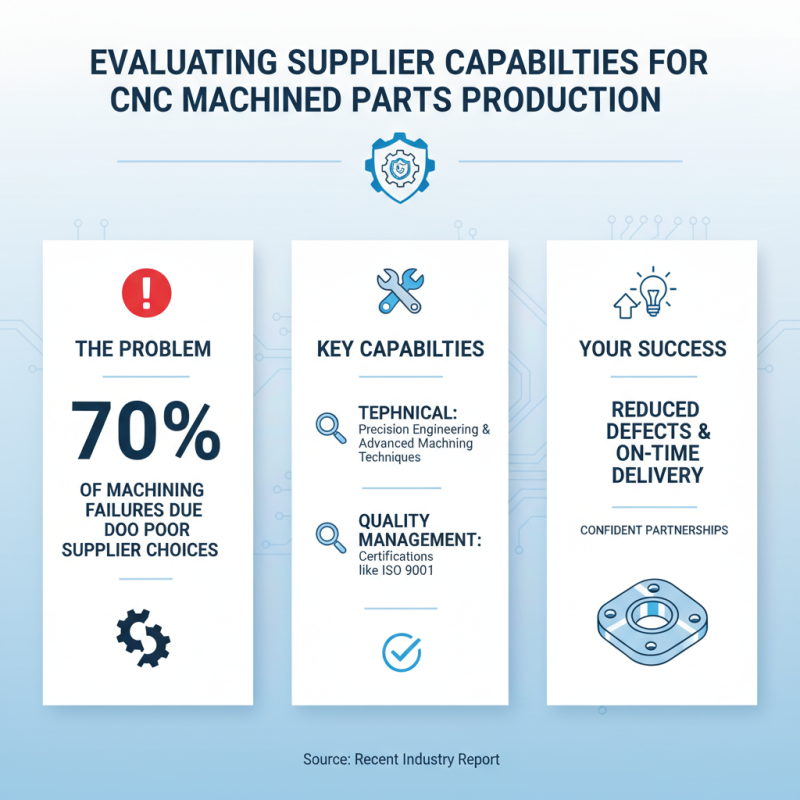
Evaluating Supplier Capabilities for CNC Machined Parts Production
When it comes to CNC machined parts production, evaluating supplier capabilities is crucial. A recent industry report highlights that 70% of machining failures stem from poor supplier choices. Understanding their technical expertise is the first step. You want a supplier well-versed in precision engineering and familiar with advanced machining techniques. Look for certifications like ISO 9001, which indicate adherence to quality management systems.
Assess the supplier's equipment and technology. Up-to-date machinery can enhance production efficiency and quality. For instance, suppliers using 5-axis CNC machines achieve more complex geometries with precision. However, it's essential to verify that their equipment is regularly maintained. A recent survey showed that 30% of machining errors resulted from outdated machinery.
Communication is vital. A supplier that provides clear, timely updates on progress reflects commitment and reliability. Ask for references and previous project examples to gauge their capabilities. Inspecting their production processes directly can also reveal a lot about their operations. Remember, a supplier's ability to adapt and innovate is as important as their existing skills. Balancing these factors can lead to a successful partnership.



 +86 180 0293 5268
 CONTACT Shixin
 CONTACT Shixin
 CONTACT Shixin