2026 How to Source Steel Casting Parts Effectively?
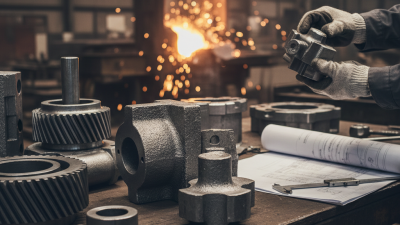
In the competitive landscape of manufacturing, sourcing Steel Casting Parts effectively is crucial. John Smith, a leading expert in the casting industry, emphasizes, “Precision in sourcing can save both time and costs.” This insight highlights the importance of strategic supplier selection. Effective sourcing can lead to improved quality and efficiency in production lines.
To navigate challenges, companies must evaluate potential suppliers based on their capabilities and reliability. This means assessing production processes, raw materials, and delivery timelines. The right partnerships can enhance the overall manufacturing process but require careful consideration. Mistakes in sourcing can lead to delays and increased costs, impacting the bottom line.
An effective sourcing strategy for Steel Casting Parts involves continuous improvement. Companies should seek feedback and analyze past sourcing decisions. Learning from previous experiences can refine future strategies. In a rapidly evolving market, staying adaptable is key. An ongoing evaluation of suppliers ensures that quality never suffers.
Understanding the Basics of Steel Casting Parts and Their Applications
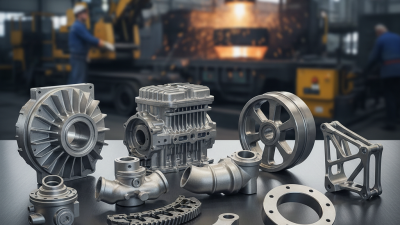
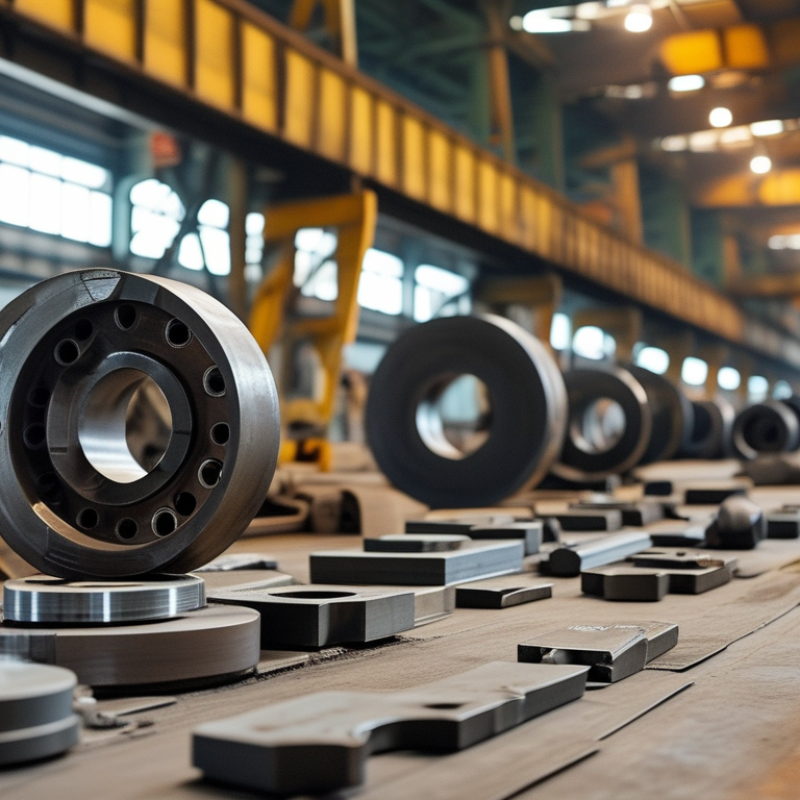
Steel casting parts are crucial in many industries, including automotive and aerospace. They provide durability and precision. According to a recent report from the Metal Casting Market, the global demand for steel castings is expected to reach approximately 18 million tons by 2027. This uptick reflects the growing need for high-performance materials.
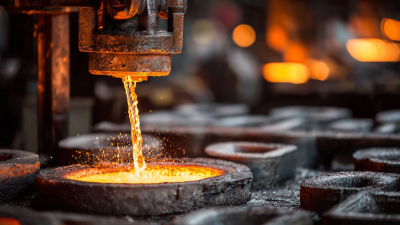
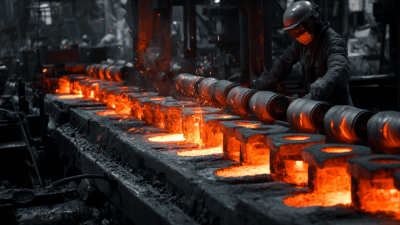
Understanding the basics of steel casting is essential. The process involves pouring molten steel into molds, which solidifies into desired shapes. Engineers often prefer steel castings for their strength-to-weight ratio. However, challenges exist, such as control over porosity and achieving uniform thickness. These factors can affect the performance of the final product.
Experts noted that around 10% of cast parts fail quality inspection. This statistic highlights the importance of effective sourcing practices. Quality assurance measures are critical in minimizing defects. Reliable suppliers must adhere to stringent guidelines, ensuring timely deliveries while maintaining high standards. Overall, clear communication with manufacturers about specifications is vital to securing optimal casting parts.
Identifying Reliable Suppliers for Steel Casting Parts
When sourcing steel casting parts, identifying reliable suppliers is crucial. A solid supplier relationship can lead to better quality and timely deliveries. Research is essential. Look for suppliers with a proven track record in the industry. Checking their certifications and quality standards is a good starting point. This information can highlight their commitment to quality.
Engaging in discussions with potential suppliers can provide further insights. Ask about their manufacturing processes and the materials they use. A transparent supplier is often more trustworthy. Pay attention to their response times and willingness to address your concerns. These factors can signal their reliability. Don't hesitate to request samples. Examining the quality of their products firsthand can reveal inconsistencies that online research might miss.
It's important to remember that not every supplier will meet your expectations. Some may promise quality but fail in execution. Trust your instincts and keep communication open. Sometimes, suppliers might lack the resources to handle your specific needs. Reflecting on past experiences can help you avoid similar pitfalls. Assessing your requirements clearly will lead you to the right partner.
Evaluating Quality Standards in Steel Casting Production
Evaluating quality standards in steel casting production is crucial. Steel casting parts must meet specific criteria to ensure durability and performance. Various standards exist, such as ASTM and ISO standards, which provide guidelines for manufacturers. These standards cover material properties, dimensional tolerances, and testing procedures, helping to maintain consistency in the production process.
It is essential to focus on the entire production cycle. Effective quality evaluation starts with raw material selection. Relying on reputable sources for steel material enhances the quality of the final product. Regular audits of suppliers and their processes should not be overlooked. In addition, testing methods like X-ray inspection and tensile testing play a vital role in identifying defects early, ensuring that only the highest-quality parts proceed to final production.
Mistakes can occur, even with stringent measurements in place. In some cases, parts may not meet the specifications, leading to unexpected failures. It is important to foster a culture of continuous improvement within the production team. Engaging employees in quality control discussions can lead to valuable insights. Such reflections help identify areas needing attention and drive better practices in steel casting.
Cost Considerations When Sourcing Steel Casting Parts
When sourcing steel casting parts, cost considerations play a critical role. Buyers often face pressure to minimize expenses. However, cheaper does not always mean better. Low-cost suppliers may compromise quality, leading to greater costs in the long run. It is essential to analyze the total cost of ownership rather than just the upfront price.
One major factor is the material quality used in the casting process. High-quality steel may cost more initially but ensures durability and reliability. This can prevent frequent replacements or repairs. Additionally, proximity to suppliers can affect logistics costs. Transporting heavy steel parts over long distances can quickly escalate expenses. Relationships with local suppliers may offer opportunities for negotiation and reduced freight costs.
Custom requirements can also influence prices. Complex designs often require specialized processes, which raise manufacturing costs. Therefore, engaging with experienced engineers can help optimize designs. Streamlining them can lower costs without sacrificing performance. Reflecting on the balance between cost and quality is crucial in sourcing steel casting parts. This ongoing process demands careful evaluation of market conditions and supplier capabilities.
Effective Communication for Successful Steel Casting Procurement
Effective communication is crucial in the procurement of steel casting parts. In a recent industry report, effective supplier communication improved procurement efficiency by 30%. Clear dialogue builds trust and reduces misunderstandings. This is especially important when sourcing complex components. Common issues like specification discrepancies can lead to delays. By openly discussing requirements, organizations can mitigate these risks.
In addition, providing detailed technical documentation can significantly enhance communication. It ensures that suppliers fully understand the project specifications. According to industry research, companies that share comprehensive guidelines see a 25% reduction in revision cycles. Regular updates via various communication channels keep all stakeholders informed. This practice reduces surprises during production and aligns expectations.
However, challenges remain in establishing clear communication. Language barriers and varying cultural practices can hinder interactions. Investing in translation services or training can help bridge these gaps. Acknowledging these issues allows for better strategies moving forward. Continuous improvement in communication approaches can lead to long-term partnerships with suppliers.
2026 Steel Casting Parts Procurement Analysis
This bar chart represents the effective sourcing strategies for steel casting parts, highlighting the importance of communication in procurement. The data illustrates the percentage effectiveness of various sourcing methods used in the steel casting industry.



 +86 180 0293 5268
 CONTACT Shixin
 CONTACT Shixin
 CONTACT Shixin