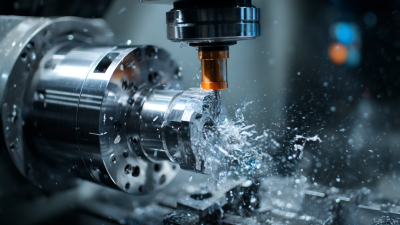
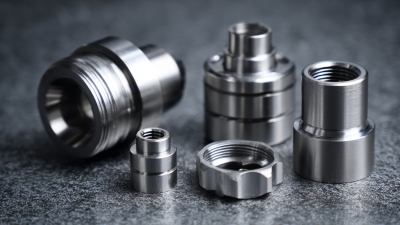
2026 How to Source Precision CNC Machining Parts Effectively?
In the competitive landscape of manufacturing, sourcing precision CNC machining parts effectively is critical. The global CNC machining market is projected to reach $100 billion by 2026, as reported by industry analysts. This growth reflects the rising demand for high-quality, precision-engineered components across numerous sectors, including aerospace, automotive, and medical devices.
Precision CNC machining parts are essential for creating intricate designs with tight tolerances. According to a study by MarketResearch.com, 70% of manufacturers prioritize precision when selecting suppliers. However, many face challenges in sourcing. Inconsistent quality and long lead times often disrupt production schedules. Some companies have struggled with inadequate supplier communication, leading to delays and increased costs.
Recognizing the importance of reliable sourcing strategies is vital. Companies can benefit from investing in supplier relationships and leveraging technology to optimize their processes. The journey toward sourcing precision CNC machining parts effectively is complex and requires ongoing reflection and improvement. Small missteps in this area can have significant impacts on overall project success. It is essential to continually assess and adapt sourcing strategies to stay competitive.
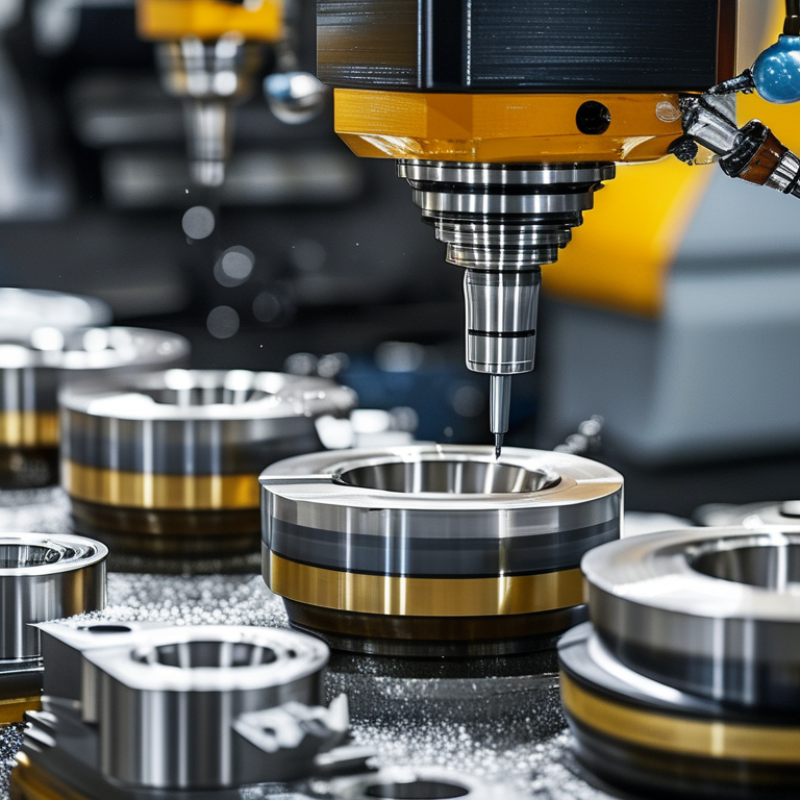
Understanding the Basics of Precision CNC Machining Parts Sourcing
When sourcing precision CNC machining parts, understanding the basics is crucial. Precision machining involves removing material from a workpiece to achieve tight tolerances. Many factors impact quality, including materials, machining techniques, and equipment. Buyers must consider these aspects to ensure they meet their specific requirements.
Selecting the right supplier is critical. Research their capabilities and past projects. Experience matters; suppliers with a track record are often more reliable. It also helps to request samples and visit their facilities if possible. Communication is key. Clearly outline your specifications to avoid misunderstandings.
Being aware of potential pitfalls is essential. Not all suppliers adhere to the same standards. Quality may vary significantly across different manufacturers. It's wise to adopt a thorough vetting process. Continuous evaluation of suppliers can lead to better outcomes. Keep an open mind; sometimes, exploring new suppliers yields surprising quality and value.
Identifying Key Supplier Qualifications for CNC Machining
Identifying the right supplier for CNC machining can significantly impact manufacturing efficiency. A recent study by the Harvard Business Review indicates that 75% of businesses experience cost overruns due to poor supplier selection. This figure underscores the necessity of carefully evaluating supplier qualifications.
Key qualifications include industry certifications, such as ISO 9001, which ensure a quality management system is in place. Additionally, suppliers should possess specific technical capabilities relevant to the required machining processes. A 2022 report from the American Society of Mechanical Engineers highlights that 80% of successful partnerships involve suppliers with advanced machinery and quality control measures. This means access to modern technology directly influences product quality and production speed.
Understanding a supplier's previous experience with materials and processes is equally important. A supplier with extensive experience in complex geometries can deliver better outcomes. However, not all suppliers can meet these expectations. The inconsistency in quality and service remains a challenge in the industry. Reflecting on the varying standards among suppliers can guide manufacturers toward more informed decisions.
Evaluating Different Sourcing Strategies for Precision Parts
When sourcing precision CNC machining parts, evaluating different strategies is crucial. Each method carries unique advantages and challenges. A common approach is using local suppliers, which can ensure quicker turnaround times and reduce shipping costs. However, local suppliers might not always offer the best pricing or capabilities for specialized parts.
Global sourcing is another viable option. It often provides access to advanced technologies and cost-effective manufacturing. Yet, managing communication and logistics across different time zones can be complex. Assessing suppliers' certifications and previous work is critical. This helps ensure that parts meet required specifications.
Tips: Always request samples before committing. This step can reveal a supplier's quality. Also, maintain open communication regarding project requirements. It's essential to clarify expectations upfront. Consider a balance between cost and quality. Sometimes, cheaper parts could lead to long-term issues, requiring further investment. Aim for a partnership that ensures reliable outputs, minimizing the need for future sourcing changes.
Leveraging Technology and Tools for Efficient Sourcing
Sourcing precision CNC machining parts effectively requires leveraging modern technology and tools. Many companies still rely on outdated methods, leading to inefficiencies. Embracing digital solutions can streamline your sourcing process significantly.
Utilizing online sourcing platforms can simplify finding suppliers. These platforms often provide comprehensive profiles and reviews. This transparency fosters trust and assists in making informed decisions. Regularly update your sourcing criteria to adapt to market changes. Optimization is vital.
Tips: Evaluate supplier capabilities through virtual tours. Check their certifications and past projects. Always seek multiple quotes for a balanced perspective. Contact references to gauge their reliability.
Using software that automates quoting and order tracking saves time. Managing relationships digitally enhances communication. Yet, remember that technology cannot replace human touch. Sometimes, direct conversations reveal needs that emails can miss. Invest time in relationship-building for better outcomes.
2026 How to Source Precision CNC Machining Parts Effectively? - Leveraging Technology and Tools for Efficient Sourcing
| Dimension |
Material Type |
Tolerances (mm) |
Lead Time (Days) |
Quantity (Units) |
Cost per Unit ($) |
| 25 x 50 x 10 |
Aluminum 6061 |
±0.05 |
15 |
100 |
2.50 |
| 40 x 60 x 20 |
Stainless Steel 304 |
±0.03 |
20 |
200 |
5.00 |
| 30 x 30 x 5 |
Plastic ABS |
±0.1 |
10 |
150 |
1.00 |
| 10 x 20 x 5 |
Titanium Grade 5 |
±0.02 |
30 |
50 |
10.00 |
| 15 x 15 x 15 |
Carbon Steel |
±0.05 |
25 |
75 |
3.50 |
Establishing a Quality Control Process for CNC Machined Parts
Establishing a quality control process for CNC machined parts is crucial for precision and reliability. Start by defining clear specifications for each component. Be specific about tolerances and finishes. This sets the standard for your quality checks. Use calibrated tools for measurements to ensure accuracy.
Conduct regular inspections throughout the machining process. Visual checks can identify surface defects early. Implement first-article inspections to analyze the first batch of produced parts. This is essential for maintaining standards. Remember, an early detection system saves time and resources.
Tips: Train your team thoroughly on quality standards. Empower them to spot deviations. Invest in reliable measuring equipment. This may increase costs upfront but pays off over time. Document every inspection and identify recurring issues. Learning from mistakes fosters continuous improvement. Quality control isn't just a checklist; it's a culture. Aim for excellence in every component.
2026 How to Source Precision CNC Machining Parts Effectively?



 +86 180 0293 5268
 CONTACT Shixin
 CONTACT Shixin
 CONTACT Shixin