What is Cnc Machined Part and Why Choose It for Sourcing?
Cnc Machined Parts play a vital role in modern manufacturing. They offer precision and reliability that traditional methods sometimes lack. Businesses seeking efficient production often prefer these parts for their accuracy.
The process involves using computer-controlled machines to create components from various materials. This technique allows for intricate designs and tight tolerances. Many engineers choose Cnc Machined Parts to reduce errors and ensure consistency in their projects.
However, sourcing these parts can be challenging. Companies must select experienced suppliers to maintain quality standards. The relationship between manufacturers and suppliers matters. A well-informed choice can lead to better outcomes, while a poor one might result in costly delays. Attention to detail in sourcing is essential for success.
What is a CNC Machined Part? An Overview of Its Definition and Applications
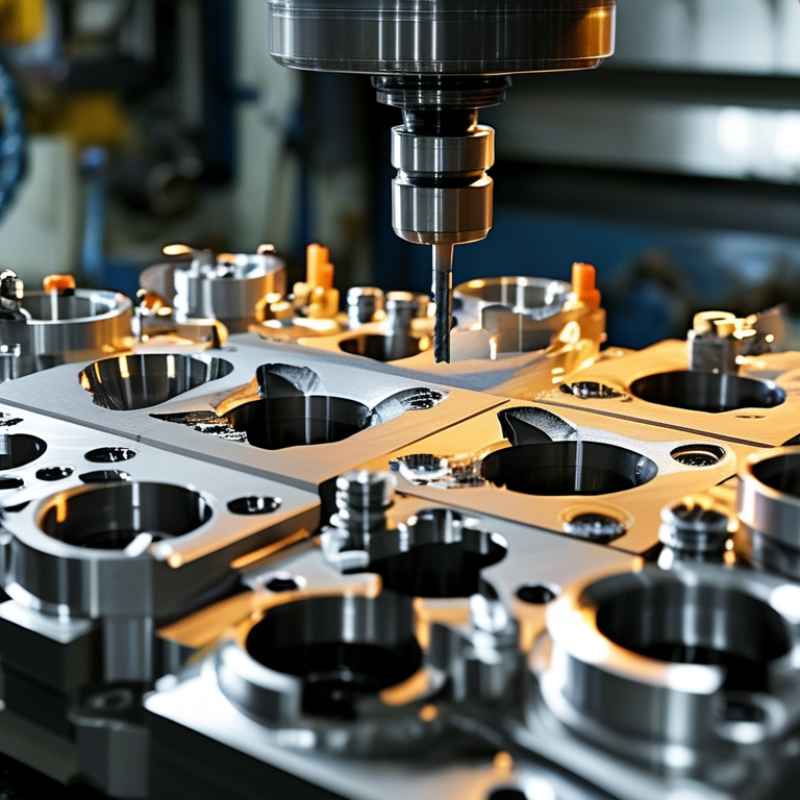
CNC machined parts are precision components created using Computer Numerical Control (CNC) technology. This process automates machining tools through programmed commands. The result is parts manufactured with high accuracy and consistency. CNC machining allows for intricate designs, making it suitable for various industries, from aerospace to healthcare.
In applications like aerospace, precision is non-negotiable. A small error could be catastrophic. CNC machining minimizes such risks by adhering to strict tolerances. Parts can be made from various materials, including metals and plastics, enhancing their versatility. This flexibility caters to specific project requirements, whether for prototypes or large-scale production.
While CNC machining offers many advantages, it is essential to acknowledge its limitations. Initial setup costs can be high. However, the long-term benefits often outweigh these expenses. Moreover, not all designs translate perfectly into machined parts. It’s crucial to work closely with experts to refine designs. Understanding these nuances ensures optimal outcomes in sourcing CNC machined parts.
Key Advantages of CNC Machined Parts Over Traditional Manufacturing Methods
CNC machined parts offer distinct advantages over traditional manufacturing methods. One key benefit is precision. CNC machining uses computer-controlled tools to create parts with exact dimensions. This level of accuracy often surpasses what manual methods can achieve. As a result, businesses enjoy better product quality and reduced waste.
Another vital advantage is efficiency. CNC machines operate quickly and can produce large volumes of parts in a short time. This speed can significantly lower production costs for manufacturers. Moreover, CNC machining allows for complex designs that may be difficult to replicate with traditional methods. The ability to quickly adapt designs is crucial in today’s fast-paced market.
While CNC machining has numerous benefits, it’s important to consider its limitations. Tooling costs can be high, especially for low-volume production. Additionally, the setup time for CNC machines may require careful planning. Companies should weigh these factors when deciding on their manufacturing processes. Balancing efficiency with cost is essential for optimal results.
Material Selection for CNC Machining: Metals, Plastics, and Composites Explained
When selecting materials for CNC machining, understanding the properties of
metals, plastics,
and composites is crucial. Metals like
aluminum and stainless steel
are popular due to their strength and durability. According to a
2021 report by the
International Journal of Advanced Manufacturing Technology, nearly 60% of CNC machined parts
are made from metal. Aluminum is favored for its lightweight nature and
corrosion resistance, making it ideal for various applications.
Plastics offer versatility and can be
cost-effective. Common options include
ABS, nylon, and polycarbonate.
These materials tend to be easier to machine, resulting in
shorter lead times. However, they may not have
the same strength as metals. The decision about which material to use must
balance both performance and cost.
Composites, which combine materials, provide unique advantages.
They can be tailored to specific requirements, resulting in customized properties.
A report from the Composite Industry Association noted that the use of composites
in CNC machining has increased by over 15%
in the past five years. Yet, sourcing the right composite can be challenging due to
the variability in quality. Being mindful of these factors is essential for
optimizing production outcomes.
Industry Applications: Where CNC Machined Parts Are Most Commonly Used
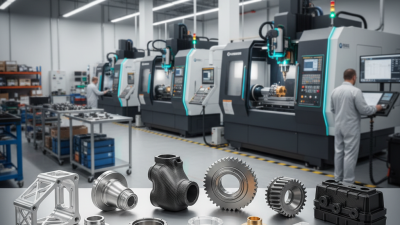
CNC machined parts are vital in various industries. They enhance precision and reduce manufacturing time. In automotive, these parts are essential for creating engine components and transmission systems. The accuracy of CNC machining ensures that each part fits perfectly, improving overall vehicle performance.
In aerospace, CNC machined parts play a crucial role in producing lightweight components. Companies rely on them for creating parts that meet strict safety regulations. High precision is non-negotiable in this field. Small errors can lead to significant failures, making CNC machining a preferred choice.
Medical devices also benefit from CNC machining. Parts like surgical instruments require extreme precision and reliability. Each piece must be crafted to exact specifications. This underscores the importance of CNC technology. However, achieving absolute perfection is a challenge. Even minor deviations can affect the efficacy of medical applications. Therefore, continuous improvement in the CNC machining process is essential.
Cost Efficiency and Precision: Why CNC Machining Is Preferred by Manufacturers
CNC machining has emerged as a leading technology in manufacturing due to its unparalleled cost efficiency and precision. According to a report by Grand View Research, the global CNC machining market size was valued at USD 63.47 billion in 2020 and is projected to grow at a compound annual growth rate (CAGR) of 5.6% from 2021 to 2028. This growth is driven by the ability of CNC machining processes to produce complex parts with tight tolerances at scale, reducing overall production costs.
Precision is critical in manufacturing, with CNC machines offering tolerances as tight as ±0.005 inches. This level of accuracy is difficult to achieve with manual machining methods. For industries such as aerospace and medical devices, where precision is paramount, CNC machining provides a reliable solution. A study published in the Journal of Manufacturing Science and Engineering highlighted that parts produced through CNC machining exhibited better performance in terms of durability and functionality compared to those made using alternative methods.
Despite these advantages, it is essential to recognize the limitations of CNC machining. For smaller production runs, setup costs may outweigh the benefits. Additionally, complex designs can lead to longer lead times. These challenges may prompt manufacturers to evaluate their overall strategy to determine if CNC is the best fit for their needs. Balancing precision, efficiency, and cost is a continuous process that every manufacturer must navigate.
CNC Machined Parts: Cost Efficiency and Precision



 +86 180 0293 5268
 CONTACT Shixin
 CONTACT Shixin
 CONTACT Shixin