How to Choose the Best Steel Casting Parts for Your Needs?
Choosing the right Steel Casting Parts can seem daunting. Expert Mark Anderson, a seasoned professional in the steel industry, states, “Quality steel castings are the backbone of any reliable machinery.” This highlights the importance of making an informed choice. With so many options available, understanding your specific needs is crucial.
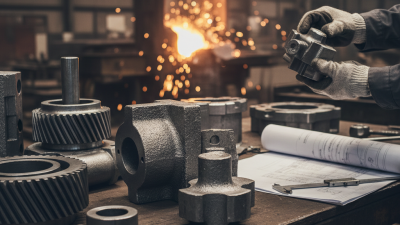
Steel Casting Parts vary widely in design and function. Each part serves a unique role, impacting the overall performance of your project. Consider factors such as material quality, manufacturing processes, and specific application requirements. For instance, parts used in high-stress environments need superior durability.
While it may be tempting to choose the cheapest option, this could lead to problems down the line. A poorly chosen part can affect efficiency and safety. Reflect on the consequences of cost-cutting. The right Steel Casting Parts will enhance your project’s longevity and reliability. Investing time in research pays off.
Understanding Different Types of Steel Casting Processes and Their Applications
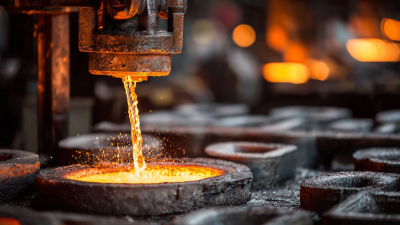
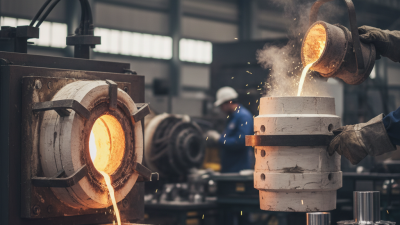
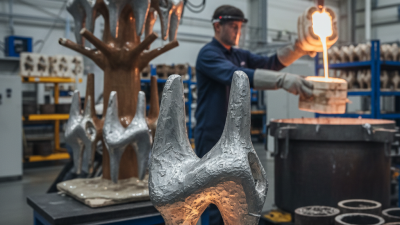
When selecting steel casting parts, understanding the various processes is crucial. Steel casting methods include sand casting, investment casting, and lost foam casting, each with unique benefits. Sand casting is widely used due to its versatility and cost-effectiveness. According to a report by Grand View Research, the global sand casting market is projected to reach USD 19.2 billion by 2025. This method allows for complex geometries, making it ideal for automotive and agricultural machinery.
Investment casting, while more expensive, provides superior precision and surface finish. A study by Mordor Intelligence highlights that this process can create intricate designs with a tolerance of ±0.5 mm. It is especially beneficial for components requiring high-performance materials, like aerospace parts or medical devices. However, the higher cost may limit its use in lower-budget projects.
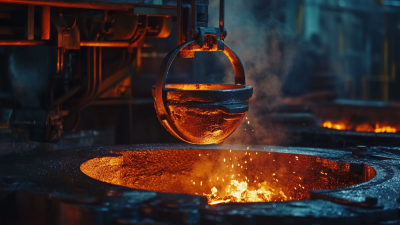
Lost foam casting, although less common, offers a unique approach by creating a foam pattern that evaporates during casting. This method is eco-friendly and can produce complex shapes with minimal waste. Yet, its application is more suitable for low-production runs due to longer lead times. Each process has its pros and cons. Assessing your product's requirements, volume, and budget is essential for making an informed choice.
Evaluating Material Properties: Strength, Durability, and Corrosion Resistance
When choosing steel casting parts, material properties are crucial. Strength is one of the foremost elements. A part must withstand heavy loads and resist deformation under pressure. Evaluate tensile strength and yield strength to assess how it behaves under stress. Always consult material specifications to get exact values.
Durability is another vital aspect. Steel parts should resist wear and tear over time. Consider the operating environment; will it face extreme temperatures or constant friction? A detailed assessment can help you choose more resilient materials. Remember that durability varies greatly among different steel grades.
Corrosion resistance can determine the lifespan of your cast parts. In humid or salt-laden environments, stainless or alloyed steels work better. Some steels oxidize quickly, leading to failure. Understanding the operating conditions is essential for optimal choices.
Tip: Always test small samples before large orders. This approach can save costs and time.
Tip: Keep in mind that the best choice sometimes requires trade-offs. Balancing strength with weight or cost is common.
Tip: Consult experts if you're unsure. Their insights can lead to better decisions.
How to Choose the Best Steel Casting Parts for Your Needs? - Evaluating Material Properties: Strength, Durability, and Corrosion Resistance
| Material Type |
Tensile Strength (MPa) |
Yield Strength (MPa) |
Hardness (HB) |
Corrosion Resistance |
| Carbon Steel |
400 |
250 |
150 |
Moderate |
| Alloy Steel |
600 |
350 |
200 |
Good |
| Stainless Steel |
520 |
300 |
180 |
Excellent |
| Ductile Iron |
450 |
300 |
180 |
Moderate |
| Gray Iron |
350 |
200 |
160 |
Poor |
Assessing Tolerances and Specifications for Optimal Fit and Function
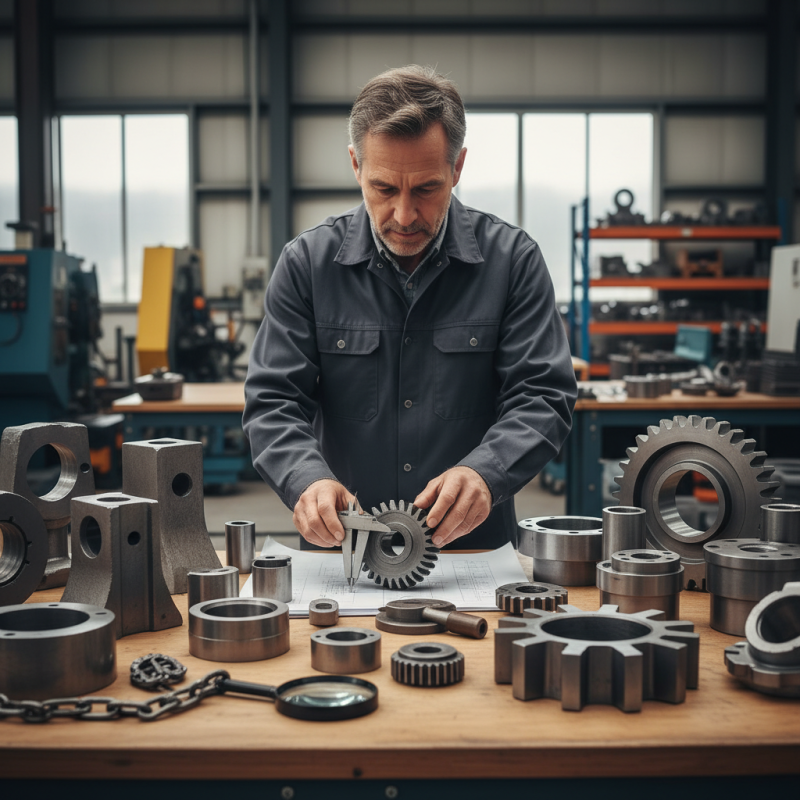
When selecting steel casting parts, understanding tolerances and specifications is vital for achieving the best fit and function. Tolerances define the permissible limits of variation for dimensions. These are crucial in applications requiring precision. For instance, a slight deviation in measurements can lead to improper assembly or failure in operation.
Tips: Always verify the manufacturer's tolerance range. If possible, request detailed drawings or specifications. This ensures that the parts you choose will meet your precise requirements. Understanding these aspects can save you time and costs in the long run.
Accurate specifications also include material composition. Knowing the types of steel or alloys used can significantly impact durability and performance. It might be easy to overlook this detail when rushing decisions. However, evaluating the need for corrosion resistance or heat treatments is essential.
Tips: Engage with knowledgeable suppliers. They can provide insight into the right materials for your application. Don’t hesitate to seek additional information, even if it feels inconvenient. A thorough understanding now can avert issues later, ensuring your project runs smoothly.
Cost-Effectiveness: Analyzing Price vs. Performance for Your Project Needs
When selecting steel casting parts, cost-effectiveness is crucial. Analyzing price versus performance can save your project resources. A report from the American Foundry Society highlights that the average cost of materials contributes to about 60% of total manufacturing expenses in steel casting. Thus, understanding the cost structure can lead to better decisions.
Performance is equally important. Higher-priced parts may offer superior durability and longevity. A 2022 industry analysis showed that investing in quality steel casting parts reduced operational failures by 30%. These failures can lead to increased maintenance costs and downtime. Balancing price and performance is essential; sometimes cheaper options lead to higher expenses down the line.
Choosing the right parts demands careful consideration. An initial lower price may lead to disappointing performance. It's vital to evaluate suppliers based on their experience and track record. Reports suggest that trusted suppliers often provide better consistency, impacting overall project success. Finding that sweet spot between cost and quality may take time, but it’s worth the effort in the end.



 +86 180 0293 5268
 CONTACT Shixin
 CONTACT Shixin
 CONTACT Shixin