Why Choose CNC Milling Parts for Your Manufacturing Needs?
In the evolving world of manufacturing, CNC milling parts have emerged as a critical component. Renowned expert, John Smith, an authority in precision engineering, once stated, "CNC milling parts have transformed how we approach manufacturing." This speaks to the profound impact of CNC technology on production efficiency and precision.
CNC milling offers unique advantages. It allows for intricate designs and high tolerances. The dimensional accuracy achieved through CNC machining is often unmatched. However, one must consider the initial setup costs and potential learning curve involved. Not every design may be suitable for CNC processes, leading to inefficiencies if not properly assessed.
Choosing CNC milling parts should come with careful thought. While they enhance productivity, there are challenges that manufacturers face. It's crucial to weigh the benefits against possible shortcomings to ensure optimal outcomes in your projects. Understanding both sides will lead to better manufacturing decisions.
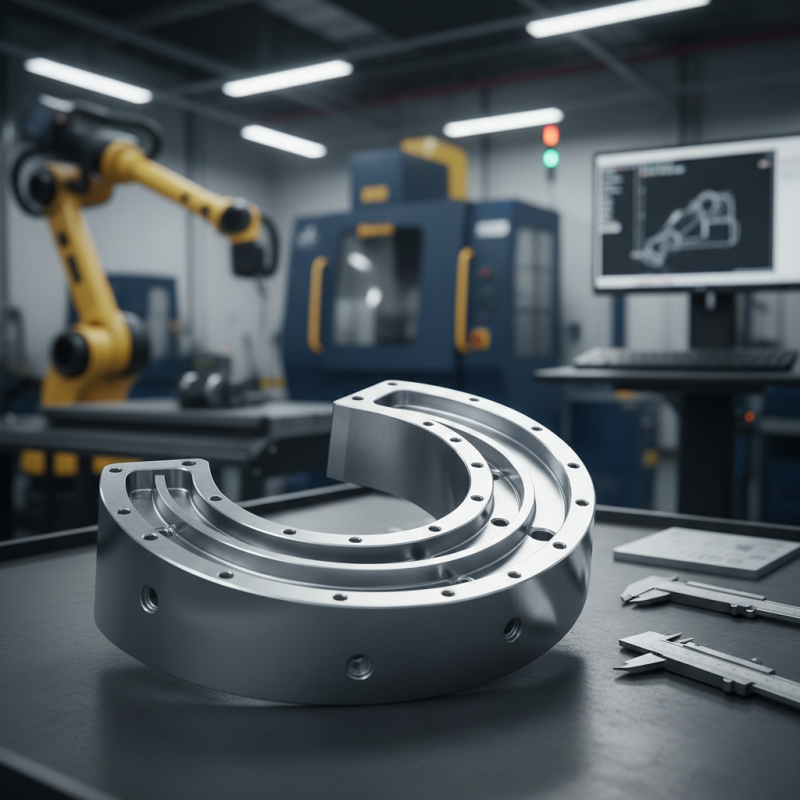
Understanding CNC Milling and Its Applications in Manufacturing
CNC milling is a crucial process in modern manufacturing. It uses computer-controlled machines to create precise parts. Industries like automotive, aerospace, and electronics rely heavily on this technology. CNC milling offers superior accuracy, which is vital for high-quality production. The ability to produce complex geometries is a game-changer. Manufacturers can create intricate designs that would be impossible with traditional methods.
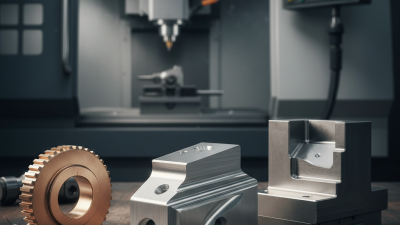
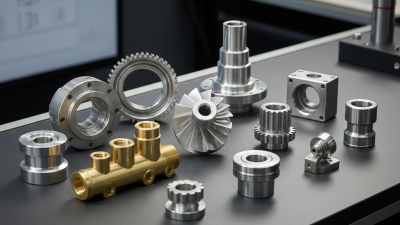
The applications of CNC milling are vast. For example, it is used to fabricate components like housings, brackets, and gears. Each part must meet strict specifications. Even a slight error can lead to significant problems down the line. Companies often struggle to balance speed and accuracy. Some may rush the process, leading to imperfect results. This constant push for efficiency can overshadow the need for quality checks.
While CNC milling boasts numerous advantages, there are challenges. The initial setup can be time-consuming. Operators must have a deep understanding of the machinery. Training is essential, yet often overlooked. Mistakes in programming can cause costly errors. Understanding CNC milling requires ongoing learning and adaptation. The industry must focus on refining these processes for better outcomes.
Key Benefits of Using CNC Milling Parts in Production
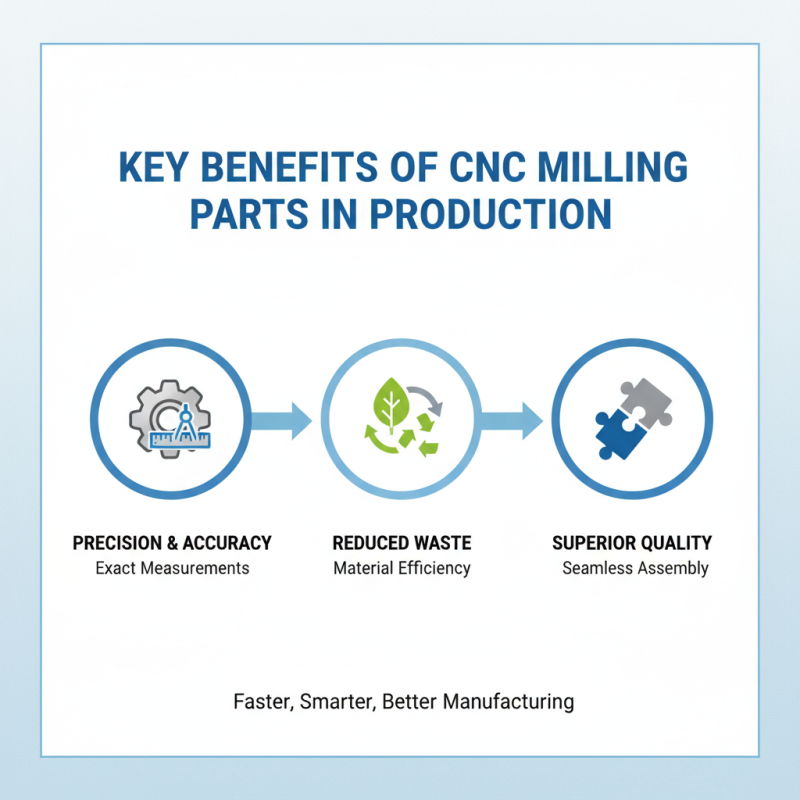
CNC milling parts offer numerous advantages for modern manufacturing. Precision is a critical benefit. The technology allows for detailed designs with exact measurements. This accuracy reduces material waste and ensures higher quality products. Each component fits together seamlessly, minimizing the need for rework.
Another important aspect is the speed of production. CNC machines can operate continuously, significantly increasing output. This rapid turnaround can satisfy demanding schedules. However, it requires careful planning and oversight. Miscalculations can lead to costly errors.
Additionally, CNC milling can handle a variety of materials. From metals to plastics, versatility is a strong point. Businesses can adapt to different projects with ease. Yet, understanding each material’s specific properties is crucial. Ignoring this can result in subpar parts. Overall, CNC milling presents both opportunities and challenges in manufacturing processes.
Comparing CNC Milling to Other Manufacturing Processes
CNC milling is an advanced manufacturing process that stands out among its peers. Traditional machining methods often lack precision. They can be time-consuming and depend heavily on manual labor. In contrast, CNC milling utilizes computer-controlled machines. This automation enhances accuracy and reduces errors significantly. Manufacturers can achieve intricate designs with tight tolerances that are hard to replicate manually.
In addition, CNC milling offers versatility. It works well with various materials, including metals and plastics. This flexibility is crucial for manufacturers needing different parts. While other processes like injection molding excel in high-volume production, they are often costly for small runs. CNC milling, however, remains affordable for both small and large batches.
Yet, a common pitfall is the learning curve associated with CNC programming. Manufacturers must invest time to train staff effectively, which can slow down initial production.
Moreover, maintenance of milling machines can be demanding. Regular upkeep is essential to ensure consistent quality. Companies may overlook this aspect, leading to unexpected downtime. This oversight can hinder production schedules and impact delivery timelines. Understanding these challenges is key to maximizing the benefits of CNC milling. Ultimately, it is about finding the right balance to meet specific manufacturing needs.
Factors to Consider When Choosing CNC Milling Parts
Choosing CNC milling parts requires careful consideration of several important factors.
Material selection is crucial. Different materials, such as
aluminum, steel, or plastic, yield unique characteristics.
For instance, aluminum is lightweight and offers great machinability.
On the other hand, steel provides strength and durability.
Think about the specific needs of your project. Sometimes, the best choice isn't the most obvious one.
Precision is another key factor. CNC milling offers high accuracy, but
not all parts are created equal. Tolerances can impact the part's functionality. It’s vital to evaluate your requirements.
If you need parts with tight tolerances, do your research. Look for manufacturers known for excellent precision.
Cost also plays a significant role. Sometimes, cheaper options lead to
compromises in quality. Assess the total cost, including setup times and material waste. Reflect on your budget
constraints. A less expensive part may save money but could cause issues down the line.
Weighing the pros and cons can lead to better decisions.
Future Trends in CNC Milling Technology and Its Impact on Manufacturing
CNC milling technology is evolving rapidly. Recent reports suggest that the market for CNC milling machines is projected to grow by 6.5% annually through 2026. This growth reflects the increasing demand for precision parts in various industries. Manufacturers are realizing the importance of accuracy and efficiency in production. The rise of Industry 4.0 further accentuates this trend. Smart factories utilize CNC milling for real-time data analysis and process optimization.
Emerging technologies, such as artificial intelligence and machine learning, are enhancing CNC milling capabilities. These innovations lead to reduced downtime and improved operational efficiency. However, this might not come without challenges. Many companies face integration issues when adopting advanced technologies. The need for skilled workers who understand these technologies is also essential. According to a recent study, 65% of manufacturers report a skills gap in their workforce.
Another important aspect is sustainability. CNC milling can produce less waste compared to traditional methods. However, the use of energy-efficient machines will determine the overall impact on the environment. A focus on green technologies is necessary for the future. Without addressing these concerns, the benefits of CNC milling might be overshadowed by environmental implications. As manufacturing continues to change, incorporating these trends will be crucial for success.
Future Trends in CNC Milling Technology
This chart illustrates the projected growth in adoption rates of CNC milling technologies across various sectors by 2025. It highlights the ongoing shift towards automation, precision, and efficiency in manufacturing processes.



 +86 180 0293 5268
 CONTACT Shixin
 CONTACT Shixin
 CONTACT Shixin