Why is Aerospace Machining Essential for Global Supply Chains?
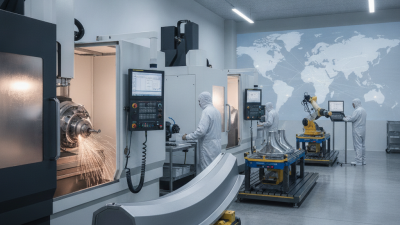
Aerospace machining plays a crucial role in today's global supply chains. The aerospace industry is projected to reach $1 trillion by 2030, according to industry reports. This growth relies heavily on precision machining for manufacturing complex components. Aerospace machining ensures the creation of lightweight, durable parts that meet stringent safety standards.
With the rise of global demand for air travel, efficient production processes become vital. Over 10 million parts are often needed for a single commercial aircraft. Each of these components requires advanced machining techniques to maintain quality. However, creating such intricate designs presents challenges. Many companies lack the capabilities for precision aerospace machining.
The reliance on aerospace machining highlights both innovation and risk in the supply chain. Delays in machining can lead to significant production downtime. This disruption can affect delivery schedules and overall efficiency. Companies must continuously improve their machining processes to remain competitive, but achieving this is not always straightforward. The complexities involved demand a commitment to both quality and timely delivery.
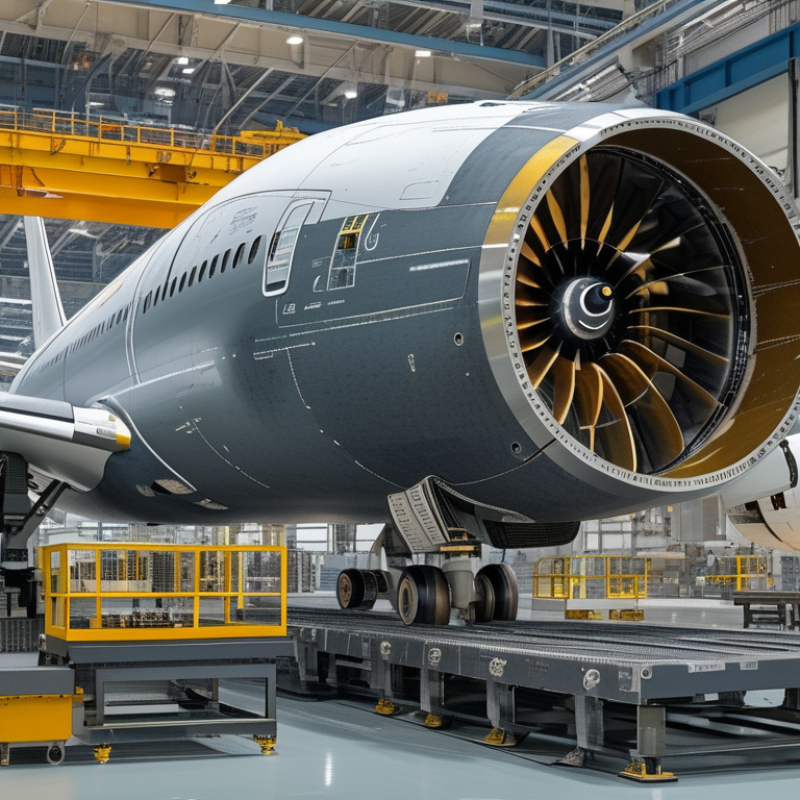
Importance of Aerospace Machining in Modern Manufacturing
Aerospace machining plays a pivotal role in modern manufacturing, underpinning the entire aerospace industry. In 2022, the global aerospace machining market was valued at approximately $30 billion and is projected to grow to $40 billion by 2028. This rapid growth underscores its significance in supporting global supply chains that are increasingly interconnected and dependent on precision engineering.
Precision in aerospace machining is crucial. Components must meet strict safety regulations and performance standards. A slight error in machining can lead to catastrophic failures. Reports indicate that 70% of aerospace manufacturers have faced delays due to machining quality issues, highlighting the need for stringent quality control. Additionally, advanced machining techniques, such as additive manufacturing and CNC machining, enable the production of complex geometries that traditional methods cannot achieve. This innovation not only enhances efficiency but also reduces waste.
However, the industry faces challenges. Skilled labor shortages and rising material costs put pressure on manufacturers. The supply chain disruptions during the COVID-19 pandemic exposed vulnerabilities in production schedules. Companies are re-evaluating their sourcing strategies and investing in technology to mitigate risks. Despite these challenges, aerospace machining remains essential for ensuring the integrity and advancement of global supply chains.
Role of Precision Engineering in Aerospace Component Production
Aerospace machining is vital due to its precise nature. It takes skilled engineers and advanced technology to produce high-quality components. According to a report by the Aerospace Industries Association, the global aerospace sector is projected to reach $1 trillion by 2030. This growth mandates exceptional precision in component manufacturing.
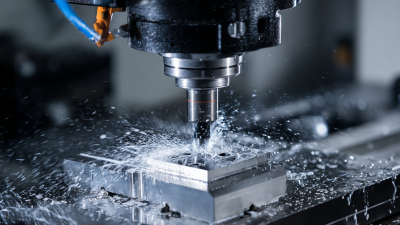
Precision engineering plays a crucial role. Components must meet rigorous standards. More than 70% of aerospace part failures stem from defects in manufacturing. Even minor discrepancies can lead to significant issues in flight safety. The process involves various stages, including milling and turning, which require specialized tools and techniques. These factors highlight the complexity of aerospace machining.
Additionally, the talent pool in this field faces challenges. Many engineers lack the advanced skills needed for precision technology. This skills gap can affect production efficiency and quality. Continuous education and innovation are vital to overcoming these hurdles. The reliance on precision engineering in aerospace cannot be overstated; it ensures not just efficiency but also safety in global air travel.
Why is Aerospace Machining Essential for Global Supply Chains?
| Dimension |
Value |
| Aerospace Industry Growth Rate |
5.6% CAGR (2022-2028) |
| Global Aerospace Machining Market Size |
$25 Billion (2023) |
| Percentage of Precision Components in Aerospace |
75% |
| Critical Machining Tolerances |
±0.005 mm |
| Average Lead Time for Aerospace Parts |
8-14 weeks |
| Employment in Aerospace Machining |
Approx. 300,000 jobs globally |
| Investment in Advanced Machining Technologies |
$4 billion annually |
| Cost Reduction through Precision Engineering |
20%+ |
Impact of Aerospace Machining on Global Trade and Economy
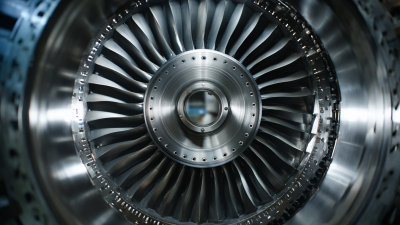
Aerospace machining plays a crucial role in sustaining global trade and the economy. This sector is responsible for manufacturing parts that meet strict safety and performance standards. Components like turbine blades and structural frames are essential for aircraft. High precision in machining ensures that these parts function reliably in the demanding aerospace environment.
The impact of aerospace machining reaches far beyond the manufacturing floor. It supports millions of jobs worldwide. From engineers to machinists, each role contributes to a complex supply chain. Disruption in aerospace machining can ripple through various sectors, affecting travel, commerce, and communication. The interdependence of industries highlights the importance of resilience in aerospace supply chains.
Despite its significance, there are challenges in this field. Skilled labor shortages and high costs can hinder progress. Companies face pressure to innovate while maintaining strict regulatory compliance. These imperfections prompt reflection on how the industry can adapt and thrive in a changing economic landscape. Enhancing collaboration and investing in technology could foster a more robust and responsive supply chain.
Impact of Aerospace Machining on Global Trade and Economy
Challenges Faced by Aerospace Machining in Supply Chain Management
Aerospace machining faces significant challenges in supply chain management. One major issue is the complexity of manufacturing processes. Aerospace components require high precision and quality standards. According to the International Aerospace Quality Group, about 30% of aerospace components fail to meet initial specifications. This can lead to delays and increased costs.
Additionally, the global nature of supply chains adds layers of complexity. Machining operations often rely on materials from multiple countries. Trade policies and tariffs can disrupt this flow. A report from Deloitte indicated that 68% of aerospace companies experienced supply chain disruptions due to geopolitical tensions. These interruptions can delay production schedules and impact delivery timelines.
Workforce shortages also hinder efficiency. The aerospace sector expects to need over 1.5 million new skilled workers by 2030. However, the current training pipeline is inadequate. The Aerospace Industries Association reports that 70% of firms struggle to find skilled machinists. This shortage contributes to longer lead times and compromises product quality. Addressing these issues is vital for the sustainability of aerospace machining in global supply chains.
Future Trends in Aerospace Machining and Supply Chain Integration
Aerospace machining plays a crucial role in modern supply chains. As global demand rises, efficiency and quality are paramount. Many manufacturers are now turning to innovative techniques. These methods enhance precision while reducing waste. Increased automation is shaping the future of machining. It improves consistency and accelerates production times.
Tips: Consider investing in advanced training. Skilled workers can adapt to new technologies. Staying updated will benefit your operations.
Another trend is the integration of data analytics. Companies leverage real-time data for better decision-making. This enhances collaboration among supply chain partners. However, challenges such as data security and system interoperability remain. Experts suggest that addressing these issues is vital for seamless integration.
As aerospace machining evolves, businesses must be agile. The adoption of sustainable practices is also rising. Balancing production needs with environmental concerns is no easy task. Yet, it can lead to a more responsible supply chain. Embracing change while reflecting on current strategies will be essential.



 +86 180 0293 5268
 CONTACT Shixin
 CONTACT Shixin
 CONTACT Shixin