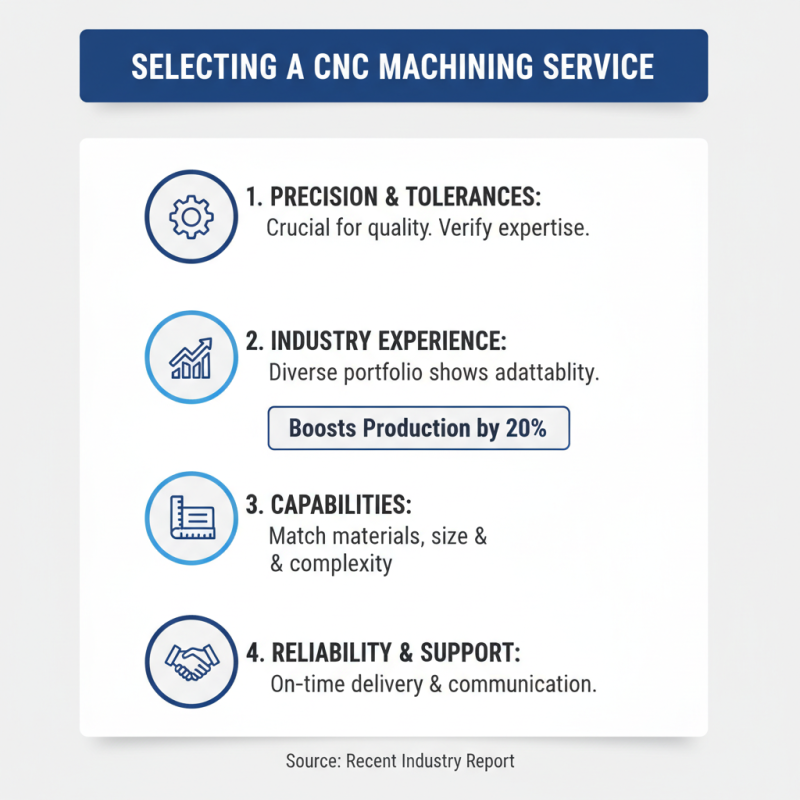
2026 Best CNC Machining Parts for Precision Manufacturing Solutions?
In the ever-evolving landscape of manufacturing, CNC machining parts play a crucial role. Experts emphasize their importance. For instance, John Smith, a recognized expert in precision manufacturing, states, "CNC machining parts are the backbone of modern industry.” This statement highlights how integral these components are to achieving high precision.
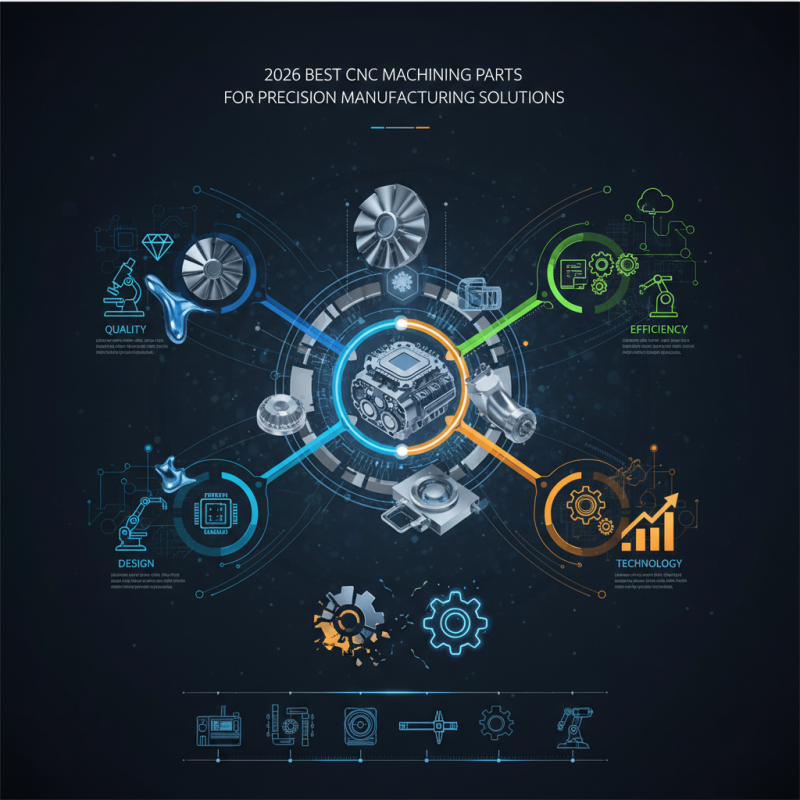
When it comes to selecting the best CNC machining parts in 2026, several factors must be considered. Quality, material, and design are paramount. Each element contributes to the overall efficiency and reliability of the manufacturing process. However, not all parts live up to expectations. Some may fail to meet precise tolerances or performance standards.
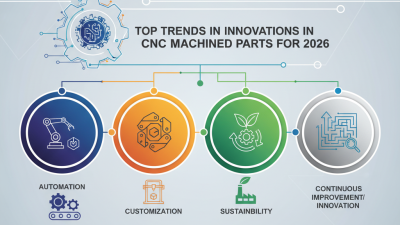
Additionally, manufacturers must remain aware of the constant advancements in technology. Innovation can lead to better materials and faster production times. Yet, with progress, some companies may cut corners. This results in parts that do not align with industry standards. Reflecting on these challenges is essential for anyone involved in CNC machining.
Overview of CNC Machining in Precision Manufacturing
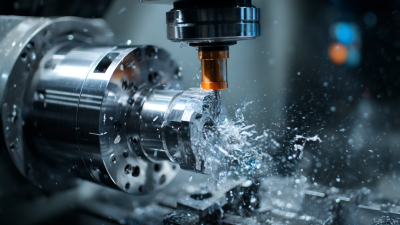
CNC machining is a vital part of precision manufacturing. This technology uses computer-controlled tools to create parts with high accuracy. It enables the production of complex shapes and designs that manual methods simply cannot achieve. Businesses benefit from the intricate detail that CNC machining offers. However, this process requires skilled operators and careful programming.
In precision manufacturing, a range of materials can be used. Common examples include metals, plastics, and composites. Each material has unique properties that can affect the machining process. Understanding these materials helps manufacturers optimize their processes. However, the risk of errors and rework exists if the material is misjudged.
Quality control remains a critical concern. Regular inspections are essential to ensure the parts meet specifications. Small deviations can lead to significant problems later in production. It’s an ongoing challenge that necessitates vigilance. Additionally, the choice of tooling also impacts the final product. Selecting the right tool can lead to better finishes, while the wrong choice can result in delays and defects. Reflecting on these factors is crucial for future improvements.
Key Materials Used for CNC Machining Parts in 2026
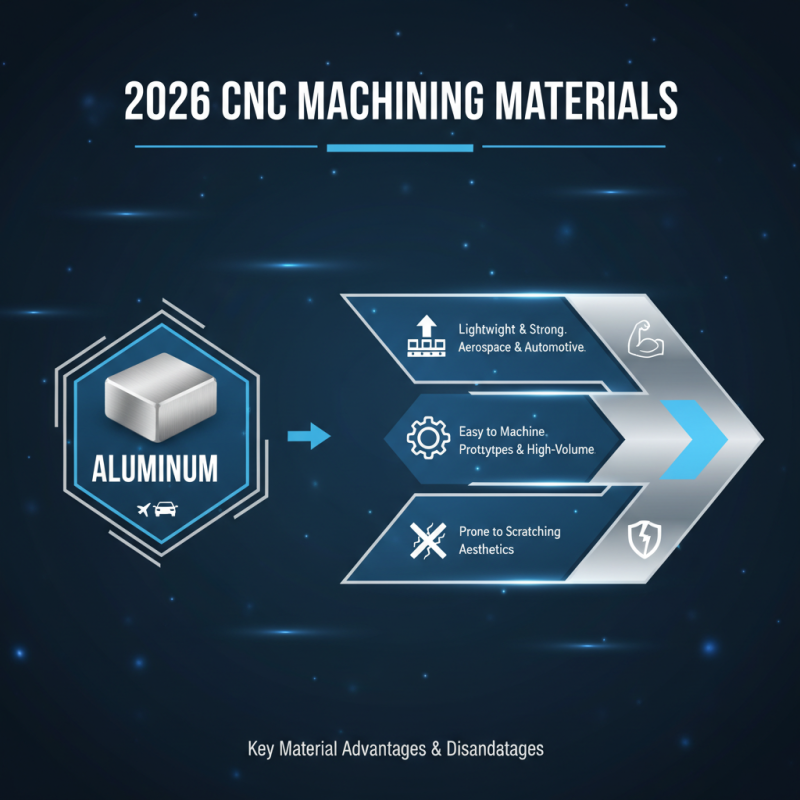
In 2026, various materials stand out in CNC machining. Aluminum is lightweight and offers strength. It is often used in aerospace and automotive applications. This metal is easy to machine, making it ideal for prototypes and high-volume production. However, it can be prone to scratching, which may affect aesthetics.
Steel remains a dependable choice for machining parts. It provides exceptional strength and durability. Stainless steel, in particular, is resistant to corrosion and maintains its integrity under stress. But it can be challenging to machine due to its hardness. Precision tools are crucial when working with this material.
Plastics are gaining popularity in CNC machining due to their versatility. Materials like nylon and polycarbonate are lightweight and impact-resistant. They are often used in consumer goods and electronic housings. However, plastics may not achieve the same precision levels as metals. Manufacturers need to weigh the benefits against the challenges of machining these materials.
Innovations in CNC Machining Technology for Enhanced Precision
In recent years, CNC machining technology has seen remarkable advancements. These innovations have greatly improved precision in manufacturing. Designers now use advanced software to create intricate designs. This allows for tighter tolerances and better fit in components. With high-speed machining capabilities, production rates have climbed, yet quality remains a top priority.
However, challenges persist. Not all machines can maintain precision as speeds increase. Some manufacturers struggle with tool wear, which can affect outcomes. Continuous monitoring of machine performance is crucial. Regular maintenance and calibration are necessary to uphold precision standards. Real-time adjustments can lead to better overall results.
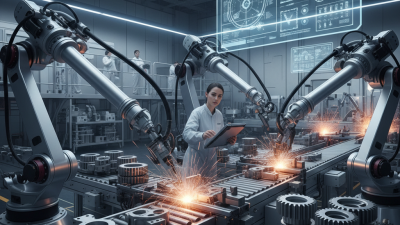
Furthermore, the integration of IoT and AI in CNC machining is a game-changer. It provides valuable data insights for optimizing processes. Yet, reliance on technology raises concerns. What if systems fail or data gets misinterpreted? Balancing automation with skilled labor remains essential. Evaluating these aspects ensures that we continue to innovate in CNC machining with precision as our goal.
2026 Best CNC Machining Parts for Precision Manufacturing Solutions
This chart presents an overview of the best CNC machining parts produced in 2026, showcasing the volume of units manufactured across different materials. This data reflects innovations in CNC technology facilitating enhanced precision manufacturing solutions.
Applications of CNC Machined Parts Across Various Industries
CNC machining plays a crucial role in various industries. It is known for its precision and versatility. From aerospace to automotive, businesses depend on CNC machined parts for high-quality components. These parts ensure reliability in operations. For example, aircraft components must endure extreme conditions. The precision of CNC machining helps in achieving necessary durability.
In the medical field, CNC machined parts are also vital. Devices like surgical instruments require exact specifications. This technology enhances safety and efficiency. Yet, there are challenges. Ensuring the right tolerances can be tricky. If standards are not met, it may result in costly errors. Precision is non-negotiable, and even small mistakes can lead to significant issues.
Manufacturers often explore new materials. This opens opportunities for innovation but brings uncertainty. Different materials have unique machining requirements. It isn’t always straightforward. Teams must adapt their processes continuously. This ongoing learning is essential for growth and improvement. In the end, CNC machining is an ever-evolving landscape. Each step forward offers lessons and insights.



 +86 180 0293 5268
 CONTACT Shixin
 CONTACT Shixin
 CONTACT Shixin